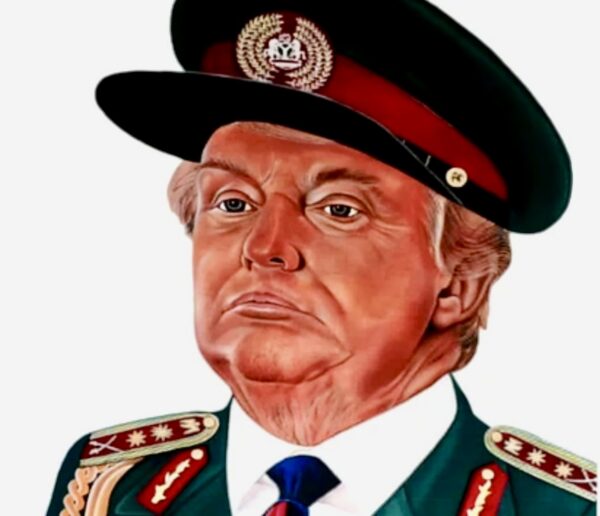
A recent discussion has emerged regarding the potential rise of authoritarianism within democratic systems. Concerns have intensified over the implications of political figures adopting increasingly autocratic behaviors, with some suggesting that former President Donald Trump embodies such tendencies. This conversation reflects broader anxieties about the stability of democratic norms in the United States and other Western nations.
The dialogue surrounding this issue has gained traction in light of significant political events and public discourse. Various commentators have pointed to actions and rhetoric from political leaders that echo authoritarian practices, raising alarms about the erosion of democratic principles. This trend is not isolated to the United States; similar patterns have been observed in several countries, prompting a reevaluation of the state of democracy in the modern era.
Analyzing Authoritarian Behaviors
Political analysts emphasize that the shift towards authoritarianism often starts with the undermining of democratic institutions. This includes attacks on the media, judiciary, and electoral processes. In many instances, leaders may seek to consolidate power by delegitimizing opposition voices and fostering an environment of fear among dissenters. The rise of such tactics has been described as a gradual process, where the lines between democratic governance and dictatorial control blur over time.
In the case of Donald Trump, critics have pointed to his rhetoric and actions during his presidency, as well as his ongoing influence within the Republican Party. Instances of questioning electoral integrity and undermining trust in the media have raised concerns among political observers. According to a poll conducted in December 2025, over 60% of Americans expressed worry that the country’s democratic foundations could be at risk due to these trends.
The Global Context of Democratic Erosion
The situation in the United States is part of a larger narrative observed across various democracies worldwide. Countries such as Hungary and Poland have seen leaders implement policies that challenge democratic norms while promoting nationalist agendas. These developments prompt international scrutiny and highlight the necessity of safeguarding democratic institutions against potential authoritarian shifts.
In response to these challenges, numerous advocacy groups and civil society organizations are mobilizing to protect democratic practices. They focus on enhancing civic education, promoting transparency in governance, and fostering public engagement in political processes. The goal is to remind citizens of the importance of active participation in democracy and the need to hold leaders accountable.
As discussions about authoritarianism continue, it is crucial for citizens to remain vigilant and engaged. The strength of democracy relies on an informed electorate capable of discerning threats to their freedoms and rights. The ongoing dialogue surrounding these issues is vital for ensuring that democratic ideals are preserved for future generations.
With the political landscape continually evolving, the commitment to upholding democratic values must remain a priority. The implications of allowing authoritarian trends to take root could have far-reaching consequences for the fabric of society.