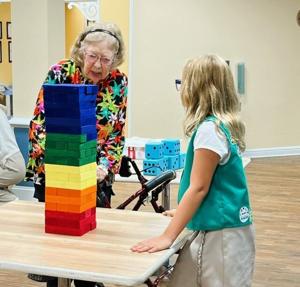
The increasing reliance on grandparents for childcare has become a significant aspect of modern family dynamics. In various countries, including the United Kingdom, United States, and Australia, many families depend on their parents to assist with raising children. This trend reflects a broader societal shift in how families navigate work-life balance and childcare responsibilities.
Research indicates that grandparents not only provide practical support but also emotional stability for children. According to a study by the Centre for Ageing Better, nearly 40% of grandparents in the UK routinely assist with childcare, highlighting their essential role in family life. This involvement allows parents to pursue careers while ensuring their children receive quality care, fostering a nurturing environment.
Economic Implications of Grandparental Support
The economic impact of grandparents in childcare roles is considerable. In the US, a report from Grandparents.com estimated that grandparents save American families approximately $178 billion annually by providing free childcare. This financial relief enables parents to allocate resources towards education, housing, and other essential needs. The trend is similarly observed in Australia, where grandparents contribute significantly to family budgets by stepping in as caregivers.
Moreover, the presence of grandparents can enhance children’s developmental outcomes. A study published in the Journal of Family Issues found that children with involved grandparents demonstrate improved social skills and academic performance. This suggests that the benefits of grandparental involvement extend beyond mere childcare, influencing children’s overall well-being.
Challenges and Considerations
Despite the advantages, the reliance on grandparents for childcare can present challenges. Not all grandparents are physically able to provide care due to health issues or age. According to the Australian Bureau of Statistics, about 15% of grandparents report experiencing health problems that limit their ability to engage in active childcare.
Additionally, intergenerational conflicts may arise, particularly regarding parenting styles. Research from the University of Melbourne indicates that differing values between generations can lead to tensions. Effective communication and mutual respect are essential to ensure that relationships remain strong while navigating these complexities.
In conclusion, the role of grandparents as childcare providers is increasingly recognized as a vital component of family support systems worldwide. Their contributions not only alleviate economic pressures but also promote the emotional and developmental well-being of children. As societies evolve, fostering strong intergenerational relationships will be crucial in maintaining the balance between work and family life.