The iconic Craneway Pavilion in Richmond may soon reopen following a prolonged closure that began last June. A potential agreement between the city and Orton Development, which operates the venue, aims to return management of this historic bayfront property to city officials. Discussions have been ongoing for months, according to former City Attorney Dave Aleshire.
Richmond’s District 5 Councilmember Sue Wilson expressed her appreciation for Orton Development and its founder, Eddie Orton, in a recent newsletter update. She noted the significance of Orton’s willingness to donate the venue to the city, emphasizing that this decision reflects a commitment to the community. “Orton Development has other options for how to use the building, so donating it to Richmond is, in my opinion, truly generous,” Wilson stated.
Negotiations and Future Prospects
The Craneway Pavilion, characterized by its expansive windows overlooking the San Francisco Bay, is part of the historic Ford Assembly Plant. Orton Development has leased the property from the city for a nominal fee of $1 per year since 2004 and has invested millions in its renovation. Aleshire mentioned that the firm proposed the gift of the venue to the city several months ago, and both parties have engaged in constructive negotiations since then.
In an email, Eddie Orton refrained from commenting on the transaction specifics, but Aleshire confirmed that the development firm had identified the Craneway as an asset best managed by the city. “Orton himself said he put a lot of money and energy into this, and there were other entities they could have offered it to, but he felt it was an asset that could be most appreciated by the city,” Aleshire remarked.
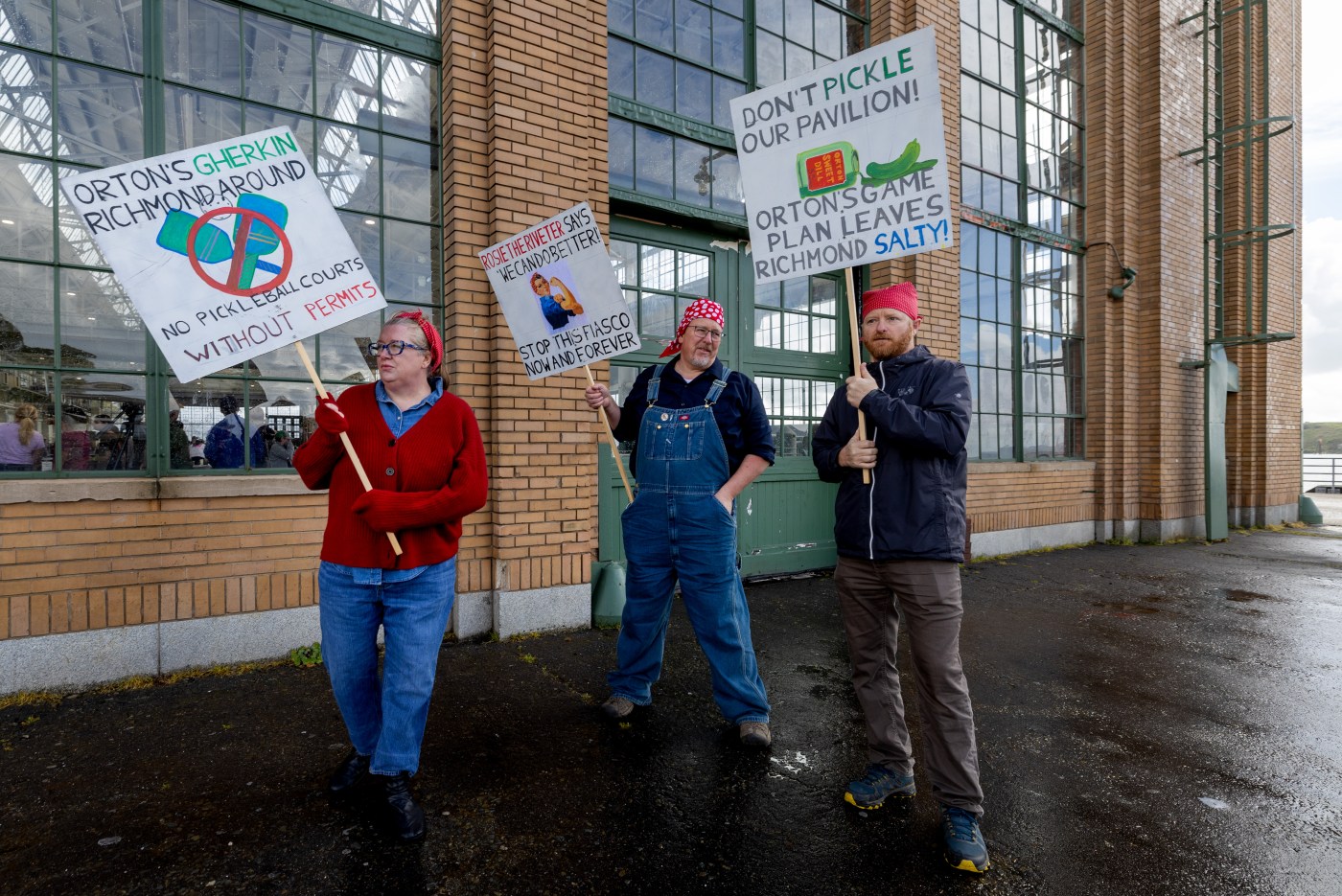
The discussions surrounding the venue intensified in 2023 when Orton Development, along with PB Development Group, sought to establish a pickleball club within the pavilion. While many pickleball enthusiasts welcomed the prospect of indoor courts, others raised concerns that such a development would displace various community events, including arts and crafts shows, roller derby games, and the Rosie the Riveter festival.
The State Lands Commission, which shares oversight of the property, advised that the proposed use of the space for pickleball was not permitted under existing agreements. These regulations limit the property’s use to overnight accommodations, restaurants, water-related industries, and museums, among others. Despite this, city officials found it challenging to prevent the pickleball courts from opening due to the potential for a lengthy legal battle.
Ultimately, the courts closed in June 2023 due to a dispute over unpaid rent between Orton and PB Development Group, leading to community protests against the club’s establishment. “As we explained to the hundreds of people who came to play that weekend, laying down courts in that space meant that it could no longer be used for the dozens of public events that many Richmonders loved attending,” Wilson explained, highlighting her commitment to resolving the venue’s future.
Next Steps for the Pavilion
The future of the Craneway Pavilion remains uncertain, but Wilson expressed hope that it could reopen in time for Richmond’s Fourth of July celebrations this year. Before the city resumes operation or seeks a new operator for the venue, a thorough evaluation is necessary to determine the extent of the property’s condition. Inspections began this week, with the city having approved a $169,500 contract with RDH Building Science to conduct the assessment.
If the agreement between the city and Orton Development is finalized, draft proposals may be presented to the City Council in January or February 2024. Should the council approve the deal, a 90-day escrow period would follow. Under the terms of the agreement, Orton Development would continue managing the majority of the property, excluding the 45,000-square-foot event space.
Aleshire believes that the Craneway could become a vital community asset. “It could be one of the most significant sites in the city. It’s basically the opening of the Bay that could be enjoyed by the whole community if we can find the right use,” he noted. As Richmond moves forward, the potential for revitalizing this historic venue remains a focal point for city officials and residents alike.