Throughout history, many brilliant minds have left a profound impact on society and culture, often without realizing the significance of their contributions. Numerous individuals, who passed away in obscurity or despair, became renowned posthumously for their groundbreaking ideas or creations. This article explores the stories of some of these influential figures who died without knowing the extent of their legacy.
Tragic Endings of Creative Geniuses
John Kennedy Toole is a poignant example. The author of *A Confederacy of Dunces* struggled for years to get his work published. After his death in 1969, his novel received the Pulitzer Prize for Fiction in 1981, revealing his genius to the world. Toole, who took his own life, never witnessed the acclaim that would eventually surround his writing.
Similarly, the musician Egbert Sen found himself in a minor role as an extra in British film productions during the 1970s and 1980s. Unbeknownst to him, this character would become a fan favorite, leading to action figures and trading cards. Sen passed away without realizing the lasting impact of his brief appearance.
The story of Ada Lovelace illustrates another poignant tale. Often considered the first computer programmer, Lovelace corresponded with Charles Babbage on designing a computing machine. Both she and Babbage died before their vision materialized, leaving Lovelace unaware of her critical role in the development of modern computing.
Creative minds have also faced harsh realities in their pursuits. The architect Ralph G. Abercrombie, who designed the Causey Arch in 1726, tragically leapt to his death, believing the structure would collapse. Ironically, the arch remains a significant engineering feat, standing for nearly three centuries.
Scientific Trailblazers and Their Shadows
In the realm of science, many have struggled against skepticism. Aaron Swartz, co-founder of Reddit, faced immense legal pressure for downloading academic articles. His untimely death by suicide in 2013 occurred before he could witness the impact of his contributions to information freedom and technology.
Another notable figure is Ignaz Semmelweis, who proposed that doctors should wash their hands before examining patients. His groundbreaking idea, which predated germ theory, was met with ridicule and led to his institutionalization. Semmelweis died in 1865, never knowing that his work would eventually save countless lives.
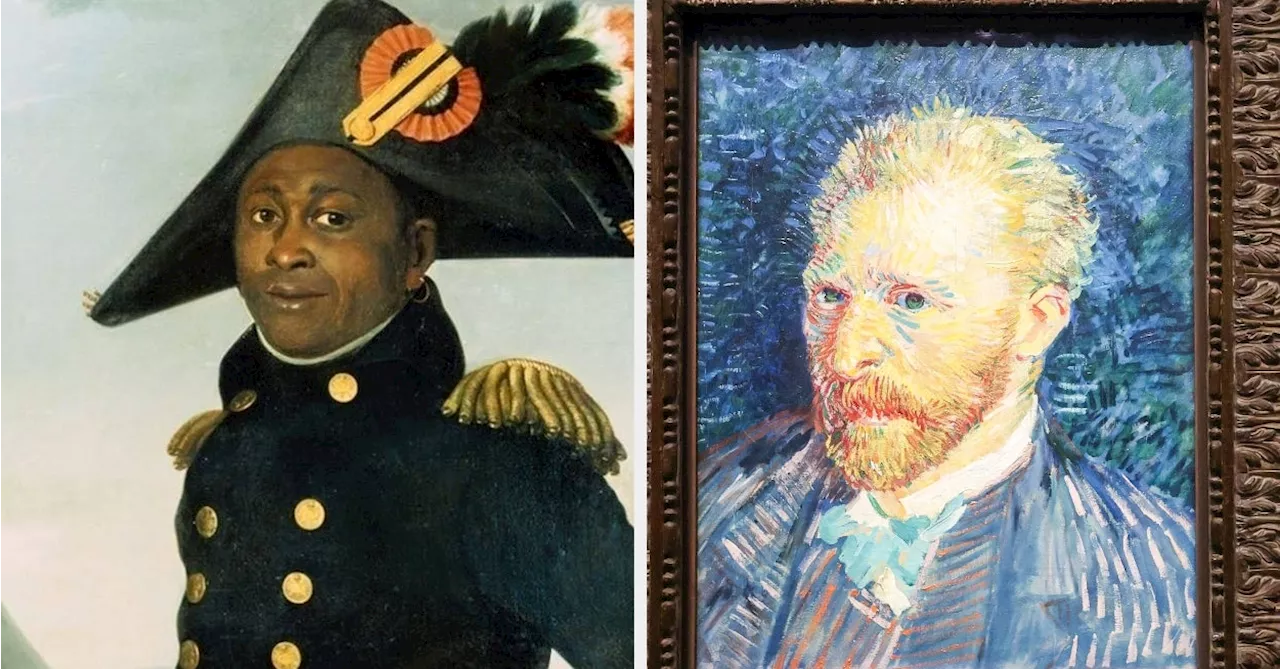
The world of art also has its tragic stories. The painter Vincent van Gogh believed he had failed throughout his life, selling only a handful of paintings. He died in 1890, unaware that in the years following his death, he would be celebrated as one of the greatest artists in history.
The impact of these individuals often transcends their lifetimes. Confucius, the ancient Chinese philosopher, thought his teachings would die with him. Yet, centuries later, his ideas continue to shape moral and political frameworks across East Asia.
In each of these cases, the legacies of these individuals serve as a reminder of the often-unrecognized brilliance that can exist in society. Their stories highlight the importance of perseverance and the potential for transformative ideas to gain recognition long after their creators have passed.
As society continues to evolve, it is essential to remember these figures whose innovations and contributions defined fields and inspired future generations. Their journeys remind us that recognition can sometimes come too late, but the impact of their work can be timeless.