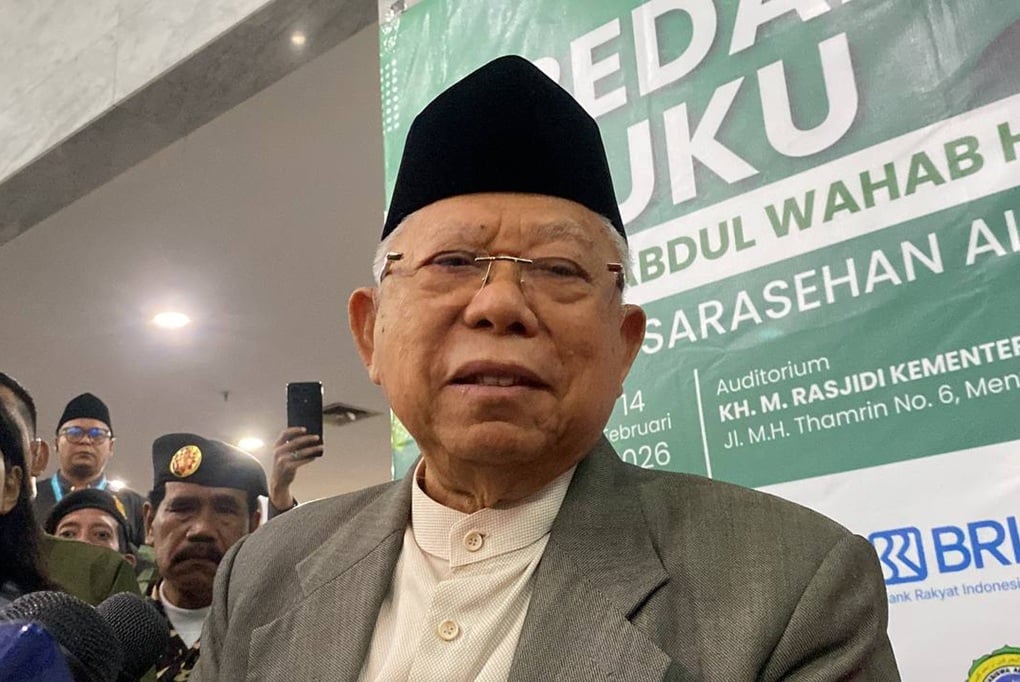
On March 1, 2024, Ma’ruf Amin, the 13th Vice President of the Republic of Indonesia, paid tribute to the late KH Abdul Wahab Hasbullah, a prominent figure in Indonesian history known for his contributions as an ulama, statesman, and politician. Amin emphasized that Wahab was a rare leader whose influence continues to resonate in the nation’s political and spiritual landscape.
Honoring a Multifaceted Legacy
During a commemorative event, Amin reflected on Wahab’s unique ability to bridge the worlds of religion and politics. He described Wahab as not only a respected religious leader but also a pivotal figure in shaping Indonesia’s political discourse. “His legacy is a testament to the power of faith in guiding governance,” Amin stated, highlighting Wahab’s role in the development of the country’s political framework.
KH Abdul Wahab Hasbullah, who passed away in 1971, was renowned for his dedication to Islamic education and his efforts in promoting tolerance among diverse communities in Indonesia. He founded the Nahdlatul Ulama, one of the largest Islamic organizations in the country, which has been instrumental in advocating for moderate Islam and social justice.
Amin noted that Wahab’s teachings remain relevant today, particularly in a world increasingly challenged by extremism and division. “We must carry forward his teachings of peace and unity,” he urged, calling on current leaders to emulate Wahab’s commitment to serving the people.
Impact on Indonesian Society
Wahab’s influence extended beyond religious circles; he played a significant role in Indonesia’s independence movement. His advocacy for social justice and equality earned him respect across various sectors of society. As a politician, he was committed to using his platform for the betterment of the nation, focusing on education and community development.
Ma’ruf Amin’s remarks resonate with many Indonesians who continue to regard Wahab as a national hero. The Vice President’s acknowledgment of Wahab’s contributions serves as a reminder of the importance of leadership that prioritizes both spiritual and civic virtues.
The event drew attention not only for its remembrance of Wahab but also for its call to action among contemporary leaders. Amin’s tribute underscores the vital role that historical figures play in shaping the moral and ethical compass of current and future leaders in Indonesia.
As Indonesia navigates its path forward, the lessons imparted by KH Abdul Wahab Hasbullah remain a guiding light in the quest for a harmonious and inclusive society. The legacy of this remarkable leader, as highlighted by Ma’ruf Amin, continues to inspire many within and beyond the borders of Indonesia.