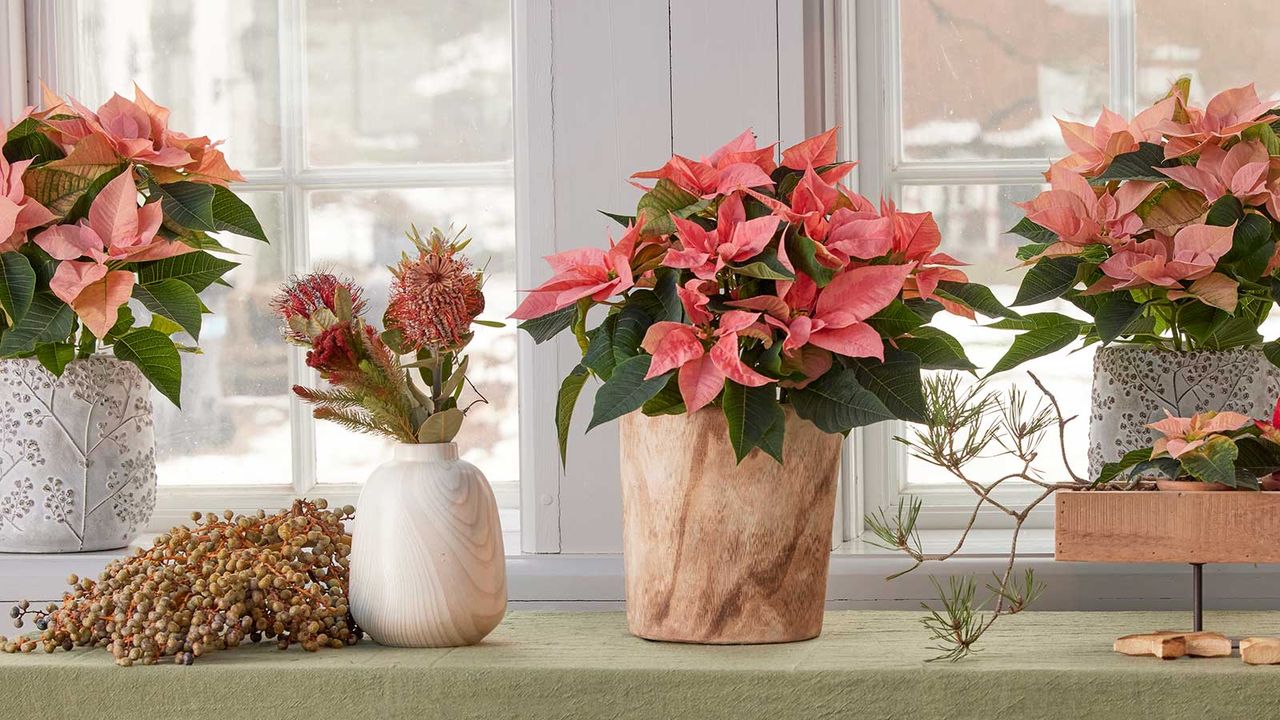
Poinsettias are synonymous with the festive season, bringing vibrant color to homes during winter months. Known for their striking red and green foliage, these plants are often treated as temporary decorations. However, with proper care, they can thrive long after the holiday season ends.
Joel Roberts Poinsett, a botanist and diplomat, introduced the plant to the United States in the early 19th century. Since then, the poinsettia has been celebrated as a hallmark of Christmas, thanks to effective cultivation and promotion that began in the mid-1900s. Despite their popularity, many people struggle to keep them alive beyond December. Fortunately, experts have provided essential tips for maintaining healthy poinsettias.
Choosing and Transporting Your Poinsettia
Start your poinsettia care regime by selecting a healthy plant from a reputable store or garden center. Look for dense, undamaged foliage and budding flowers nestled between the colorful bracts. According to Naomi Robinson, founder of Houseplant Authority, purchasing poinsettias from indoor stores and avoiding exposure to drafts, particularly near automatic doors, is crucial for longevity.
Once you’ve made your selection, protect your new plant during transport. Dr. Susanne Lux, international campaign coordinator for the grower collective Stars for Europe, advises wrapping the poinsettia in paper to shield it from drafts and temperatures below 54°F (12°C). After arriving home, remove the wrapping and place the pot on a saucer to prevent excess moisture from causing root rot.
Maintaining Optimal Conditions
Poinsettias thrive best in consistent temperatures between 59-72°F (15-22°C). Sudden changes in temperature can stress the plant, leading to leaf drop or fading bracts. Avoid placing your poinsettia near heat sources, drafts, or cold windowsills. While they can tolerate some direct sunlight during winter, it’s advisable to move them away from bright light as temperatures rise in spring to prevent leaf burn.
Watering is another critical aspect of poinsettia care. Rather than adhering to a strict schedule, check the soil regularly and water only when the top inch feels dry. Overwatering is a common mistake that can lead to root problems. For a typical 5-inch pot, a small glass of water is sufficient, while mini poinsettias may require just a shot glass. Always ensure excess water drains out to avoid sogginess.
Understanding signs of watering issues is essential. Drooping or yellowing leaves can indicate both over- and under-watering, while sudden leaf drop often points to root exposure to cold or waterlogged soil. Adjusting your watering habits promptly can help reverse these issues.
Feeding and Seasonal Care
During the winter months, fertilization is not recommended. As Andrew Gaumond from Petal Republic emphasizes, poinsettias are light feeders and should only receive nutrients after the bracts begin to fade. A balanced water-soluble fertilizer can be applied once or twice during spring and summer to support new growth.
While many people admire the traditional red poinsettia, these plants also come in various colors, including white, cream, and pink. This diversity allows for creative displays, such as mixed arrangements or festive wreaths.
Poinsettias can also be used in floral arrangements. If you opt for cut poinsettias, prepare them by dipping the cut ends in warm water at around 140°F (60°C) before placing them in a vase. Replace the water every few days for optimal longevity.
With proper care, your poinsettia can flourish throughout the holiday season and beyond. By choosing quality plants, maintaining stable conditions, and understanding their needs, you can enjoy these joyful plants for years to come.