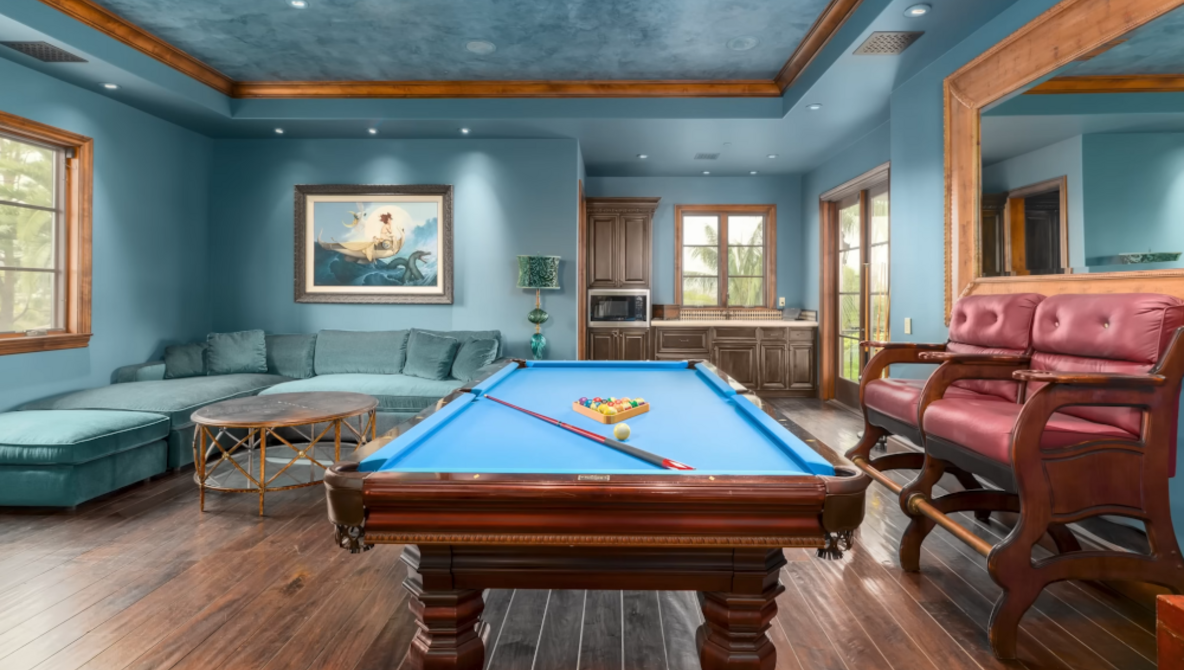
Real estate photography can be significantly enhanced by choosing the right lighting modifiers. According to a recent video by Alex Cooke, a photographer and meteorologist based in Cleveland, the type of ceiling in a space can dramatically affect how lighting appears in photographs. Dark, wooden, or high ceilings can complicate lighting situations, making effective modifiers essential for capturing quality images without extensive post-editing.
Cooke’s video presents a detailed comparison between two popular types of modifiers: umbrellas and domes. Umbrellas are designed to throw light forward, while domes aim to spread light in multiple directions. The video highlights practical applications of these modifiers in typical real estate settings, making the information relevant for professionals in the field.
One common mistake Cooke points out is the unnecessary use of a diffuser on the flash when a white ceiling is present. This oversight can lead to wasted battery power and inconsistent lighting results. By focusing on efficiency, photographers can maintain consistency across their work, especially when dealing with mixed lighting and tight deadlines.
Understanding Modifier Performance
Throughout the video, Cooke uses a specific light setting to demonstrate how different modifiers impact lighting. When employing the umbrella, users will notice broad coverage that effectively illuminates larger spaces. This approach matches real-world scenarios where light is positioned near the camera and aimed into the scene.
In contrast, the dome modifier shows a quick decline in effective reach when pointed upwards. This is particularly important in larger rooms, where additional lighting may not be feasible. When the dome is directed forward, it can create a tighter beam, which may require careful adjustments to avoid uneven lighting, especially when blending ambient light.
Cooke emphasizes the distinction between “best” and “most useful” in a professional context. The umbrella typically excels in larger rooms with high ceilings, providing a forgiving light distribution without demanding excessive power. Its versatility makes it an ideal choice when quick adjustments are necessary.
Practical Tips for Photographers
An interesting tip shared in the video involves collapsing the umbrella to enhance maneuverability in tight spaces without sacrificing light quality. This technique allows photographers to navigate through cramped environments more effectively.
Domes come into play in challenging areas such as small powder rooms and showers, where traditional stands and umbrellas can be cumbersome. Cooke suggests a practical workflow adjustment: taking separate frames with the dome aimed both upwards and downwards to achieve even lighting in confined spaces. This strategy emphasizes efficiency rather than relying solely on equipment.
For those looking to refine their real estate photography skills, Cooke’s insights provide valuable guidance. Viewers can explore the full video for a comprehensive understanding of how to utilize lighting modifiers effectively.
By implementing these techniques, photographers can streamline their processes and improve the quality of their real estate images, ultimately leading to more successful property listings.