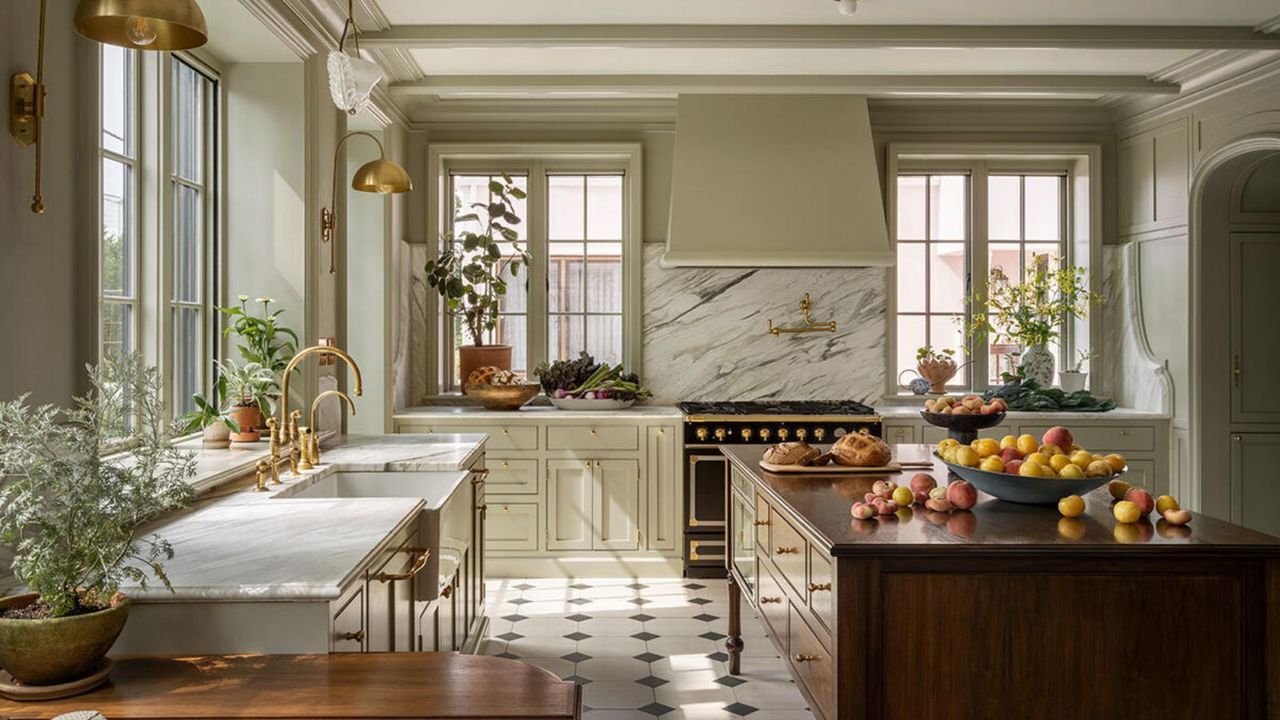
Kitchen design is experiencing a notable shift as homeowners and designers alike are re-embracing decorative elements that were once sidelined in favor of minimalism. The “sidesplash,” a detail often overlooked in modern kitchens, is making a comeback, offering both aesthetic appeal and functional benefits. Designers advocate for its introduction as a key feature to enhance kitchen spaces.
The Return of Decorative Elements
For decades, clean lines and sleek finishes dominated kitchen aesthetics. However, recent trends indicate a renaissance of more traditional styles. Items like working kitchen tables, pot rails, and plate racks are gaining popularity. Among these, the sidesplash stands out as a small yet impactful addition to modern kitchens.
The sidesplash refers to panels that extend the kitchen backsplash along perpendicular walls, providing a polished finish. Heather French, Creative Director and Principal at French & French Interiors, emphasizes its dual role. “A sidesplash is a beautiful way to round out a kitchen design. It adds another layer of visual interest while also being functional,” she stated. This feature not only enhances the kitchen’s appearance but also protects against water damage.
Interior designer Jessica Helgerson concurs, noting that the sidesplash creates a sense of completeness. “It feels more complete,” she said, highlighting the growing trend towards warmer, more inviting kitchen designs.
A Shift Towards Warmth and History
The resurgence of the sidesplash aligns with a broader movement in kitchen trends that favor warmth and permanence. Caroline Levenson, another prominent interior designer, explains that homeowners are increasingly drawn to architectural details that evoke a sense of history. “After years of ultra-minimal spaces, homeowners are craving more architectural detail,” she noted. The sidesplash reflects this desire, linking modern kitchens to their traditional counterparts.
As designers explore materials for sidesplashes, the choices are vast. “Any material suitable for a backsplash works for a sidesplash,” Helgerson explained. However, the shape often depends on the material selected. For instance, natural stone, especially marble, is favored for its elegance and durability. Levenson points out, “Natural stone is especially compelling here. Marble with expressive veining is beautiful when wrapped up the side.” This choice not only enhances visual appeal but also emphasizes craftsmanship.
When considering the design of a sidesplash, it is essential to integrate it seamlessly into the overall kitchen scheme. French advises treating it as a design feature rather than merely a functional addition. “It should feel intentional and integrated with the overall space,” she said.
Scale is crucial. Levenson recommends that sidesplashes maintain a refined height, ideally just a few inches above the countertop, unless extending to the full height. Attention to detail, especially in alignment with cabinet reveals and window trim, ensures the installation feels deliberate.
As the kitchen design landscape evolves, the sidesplash emerges as a luxurious detail that elevates the overall aesthetic. With its combination of functionality and beauty, it is clear why designers are advocating for its revival. This small addition can have a significant impact, allowing homeowners to reintroduce beautiful details to their kitchens.
For those interested in the latest trends and expert advice in kitchen design, signing up for newsletters from reputable design sources can provide ongoing inspiration and insights.