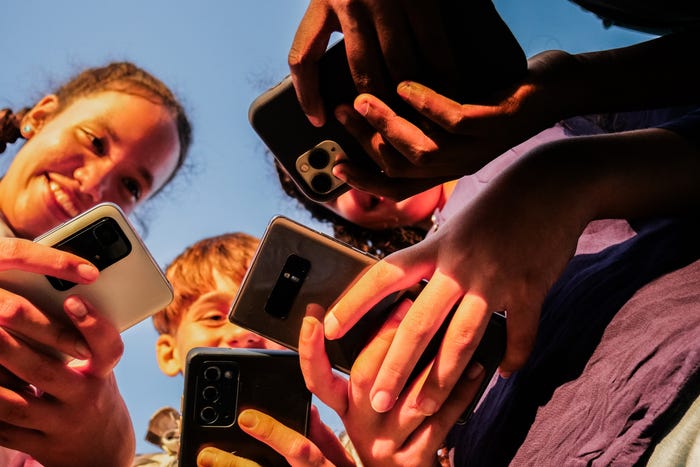
Australia has enacted a law prohibiting children under the age of 16 from creating social media accounts, a measure that took effect this week. This legislation aims to protect young users from the harmful effects associated with social media use. In response, a group of U.S. senators is advocating for similar action in the United States.
The new regulations in Australia, which were approved in 2024, apply to major social media platforms such as TikTok, Instagram, X, Snapchat, and YouTube. These companies are now required to implement measures that prevent users under 16 from accessing their services. As Australian Prime Minister Anthony Albanese noted in an op-ed, the responsibility lies with social media companies to ensure compliance. He emphasized that failure to protect children on their platforms could result in significant fines under Australian law.
Support for this initiative has emerged from U.S. lawmakers. Senator Brian Schatz of Hawaii highlighted the necessity of similar legislation in the U.S., stating, “Australia is stepping up to protect kids from the addictive and harmful content being constantly fed to them on social media. It’s now time for Congress to do the same and pass the Kids Off Social Media Act.”
The global push for restricting social media access for younger users has gained momentum recently. Countries such as Norway and Denmark are also considering laws that would limit services on social media platforms for children under 15. Malaysia is set to introduce a similar ban in 2026.
This surge in legislative action follows troubling research indicating the negative impact of social media on children’s mental health. A survey conducted by the World Health Organization in 2024 involving nearly 280,000 young teens across 44 countries revealed that 11% exhibited “signs of problematic social media behaviour.” The former U.S. Surgeon General, Vivek Murthy, equated the addictive nature of social media to that of cigarettes and called for warning labels to address the mental health crisis linked to these platforms.
In advocating for the ban, Albanese expressed the importance of facilitating discussions between parents and children regarding the realities of social media use. He referred to this initiative as one of the “biggest social and cultural changes” Australia has faced.
The U.S. Senate has already initiated discussions on the Kids Off Social Media Act, which aims to prevent children under 13 from creating accounts and restricts the use of targeted algorithms for individuals under 17. Senator Katie Britt of Alabama stated that the legislation is essential for protecting children’s well-being, asserting, “The grip these companies have on Congress and our lack of action is inexcusable.”
The proposed bill will soon be debated in the Senate, and if passed, it will require approval from the House of Representatives and the president’s signature. Concurrently, various U.S. states have taken legal action against social media companies such as Meta, alleging that they have knowingly developed addictive features detrimental to children’s health. In October 2023, New York City filed a lawsuit against Meta, Alphabet, Snap, and ByteDance over claims of contributing to a “youth mental health crisis.”
In addition to legal actions, nearly 20 U.S. states have introduced “bell-to-bell” cellphone bans for students in schools, and several states now mandate age verification and parental consent for minors seeking social media accounts.
Schatz underscored the urgency of the situation, stating, “There’s no good reason for an 8- or 9-year-old to be on Instagram or TikTok. Until companies are mandated by law to enforce basic rules, they will continue profiting off of children.” The future of social media regulations for young users remains a pivotal topic for lawmakers in both Australia and the United States.