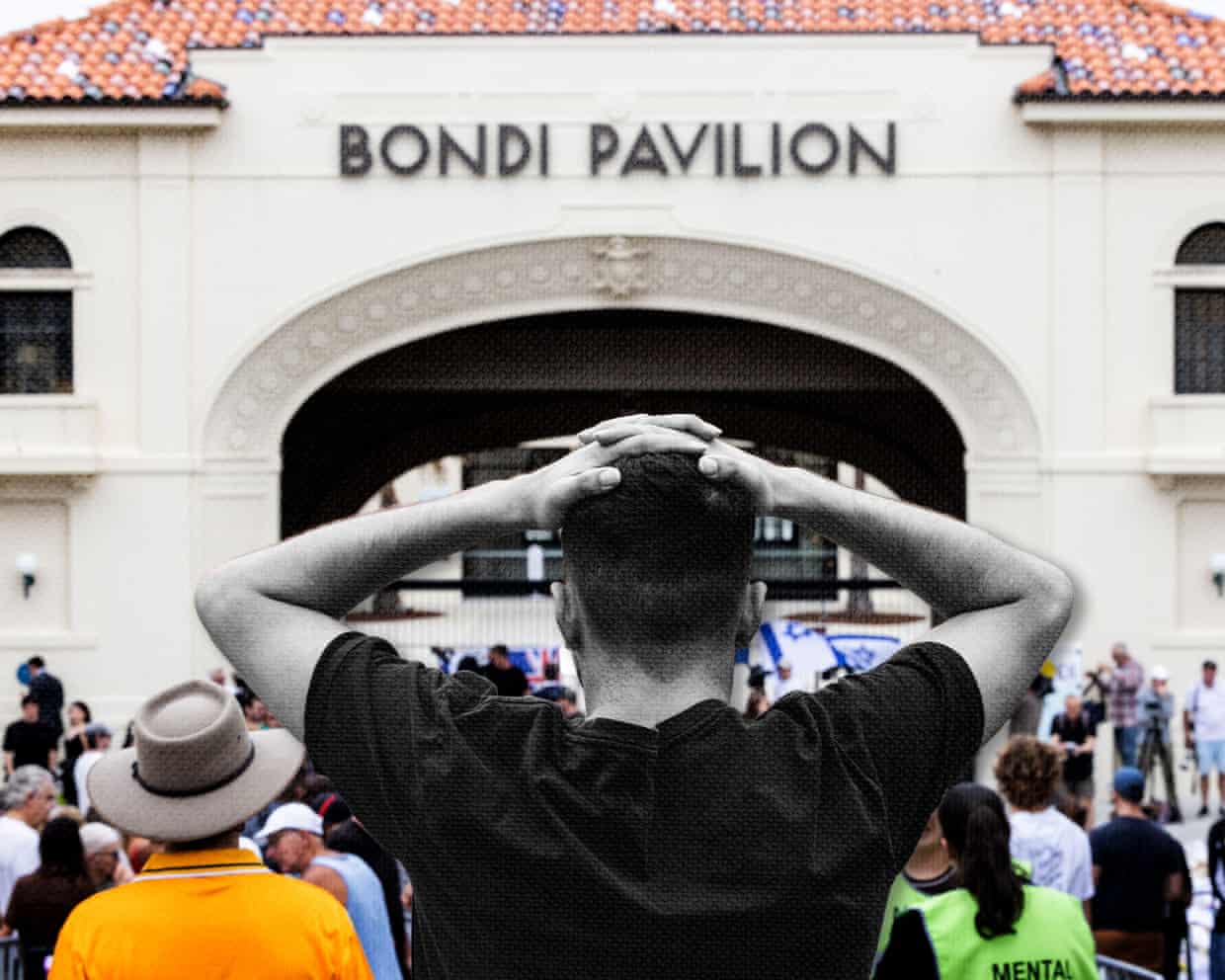
The recent terror attack in Bondi has left the community reeling, highlighting the profound divisions within Australian society. Two gunmen carried out an unthinkable act of violence that resulted in the deaths of innocent individuals, including a former police officer. The incident has ignited discussions about the root causes of such hatred and the urgent need for unity among diverse groups.
The brutality of the Bondi attack has elicited deep emotional responses, particularly among young Australian Jews who may now question their place in society. Conversely, young Muslims are also grappling with fear and uncertainty, as the actions of a few can cast shadows on entire communities. The alleged assailants, during their brief stay at a local accommodation, appeared to anticipate a reaction from the public, raising concerns about the motivations behind their actions.
In a moment of bravery, a Muslim man named Ahmed al Ahmed intervened during the attack, managing to disarm one of the gunmen. This act stands out as a glimmer of hope amidst the chaos, reminding the public of the importance of solidarity in the face of violence.
Many are pointing fingers at political leaders, suggesting that they bear some responsibility for fostering an environment of division. In the aftermath of the attack, Israeli Prime Minister Benjamin Netanyahu criticized the Australian government’s support for a two-state solution, claiming it may have contributed to the violence. Yet, critics argue that a one-state solution has historically led to more violence and displacement, rather than peace.
The Bondi attack underscores a troubling reality: once terror strikes, fear permeates communities, forcing individuals to confront their vulnerabilities. Trust in one another becomes paramount, as no one is entirely shielded from the impact of such horrific events. The attack has also reignited debates about gun control, particularly questioning why the father of one of the alleged assailants possessed multiple legal firearms.
Calls for more police presence in public spaces have emerged, but this raises its own set of concerns. While some may argue that increased security is necessary, others fear that such measures could infringe on civil liberties and further escalate tensions. The challenge lies in finding a balance that ensures safety without sacrificing the values of a pluralistic society.
The Bondi incident was not only an attack on individuals but a deliberate attempt to provoke division within the community. It serves as a reminder that violence begets violence and that the cycle of retaliation can only be broken through understanding and dialogue.
As the nation grapples with the aftermath, support services are available for those affected. In Australia, organizations like Beyond Blue and Lifeline offer help, while the UK’s Mind charity provides resources for mental health support. The broader international community is also encouraged to seek assistance from local helplines.
In summary, the Bondi terror attack has exposed deep-seated issues within Australian society. The need for unity and understanding has never been more critical as communities come together to heal from the scars of violence. The hope is that this tragedy can serve as a catalyst for meaningful change, fostering a society where empathy prevails over division.