California’s political landscape continues to be characterized by overwhelming dominance from the Democratic Party, prompting discussions about the need for genuine electoral competition. Concerns have been raised regarding the lack of a viable Republican candidate for the upcoming gubernatorial election, with many suggesting that without significant challenges, the political environment remains stagnant.
Calls for Competitive Elections
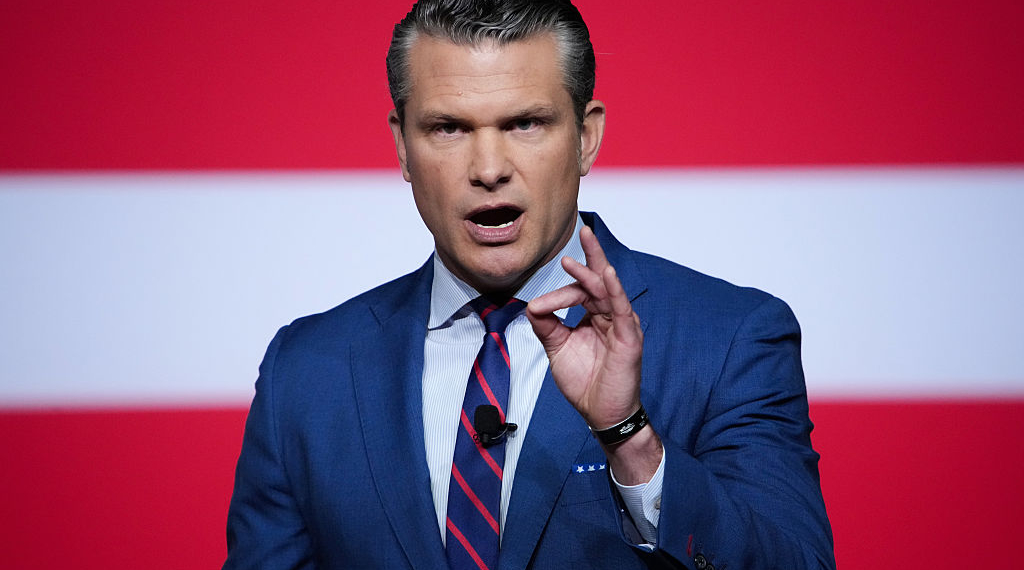
In a recent letter to the editor, resident Bill Behan from Brentwood expressed skepticism about the Republican Party’s chances in the November elections unless Richard Grenell decides to run for governor. Behan emphasized the importance of having elections that foster real competition between political parties. He argued that candidates should be evaluated based on their proven track records and actionable solutions, rather than their party affiliation. “If a candidate has a proven track record of success… then we shouldn’t care what letter is next to their name,” he stated.
Behan’s perspective reflects a wider sentiment among Californian voters who desire a political environment where diverse viewpoints are represented and debated. The perceived lack of competition is seen as detrimental to the state’s democratic processes.
Impacts of Political Affiliation on Public Health
Public health data from the Centers for Disease Control and Prevention (CDC) reveals stark disparities between red and blue states, particularly regarding gun violence and overall mortality rates. Patrick Mitchell from Pleasant Hill pointed out that red states typically exhibit higher firearm mortality rates per 100,000 population when compared to their blue counterparts. States like Mississippi and Louisiana rank among those with the highest rates, while Massachusetts and New Jersey report significantly lower figures.
Furthermore, the data indicates that red states experienced higher COVID-19 death rates in 2021, a trend that persisted even after vaccines became widely available. This suggests that lower vaccination rates in these states may have contributed to increased excess death rates. The correlation between political affiliation and health outcomes raises questions about the broader implications of governance on public welfare.
Currency and Economic Considerations
In light of recent economic changes, the disappearance of the penny has reignited discussions about currency and inflation. Wallace Clark from Concord argued for the elimination of both the penny and nickel, stating that the penny has lost its economic viability due to inflation. He noted that the value of a penny has diminished significantly over the decades, with prices for basic goods increasing exponentially. Clark proposed that a streamlined approach to currency could involve replacing the quarter with a two-dime coin, simplifying transactions in a base-10 system.
Environmental Concerns and Bird Protection
The conversation around environmental issues also remains pertinent, particularly regarding the impact of wind turbines on bird populations. In response to a previous letter discussing bird fatalities caused by wind turbines, Sydney Stull from Clayton highlighted the necessity of considering a broader context. She pointed out that while wind turbines reportedly kill about 1 million birds annually, a staggering 1 billion birds die from colliding with buildings, according to the American Bird Conservancy. This disparity in statistics raises important questions about prioritizing environmental protection efforts.
These discussions underscore the importance of engaging in comprehensive dialogue about California’s political and social landscape. As the state approaches future elections and faces critical public health and environmental issues, the need for competitive politics and informed citizen engagement remains crucial.