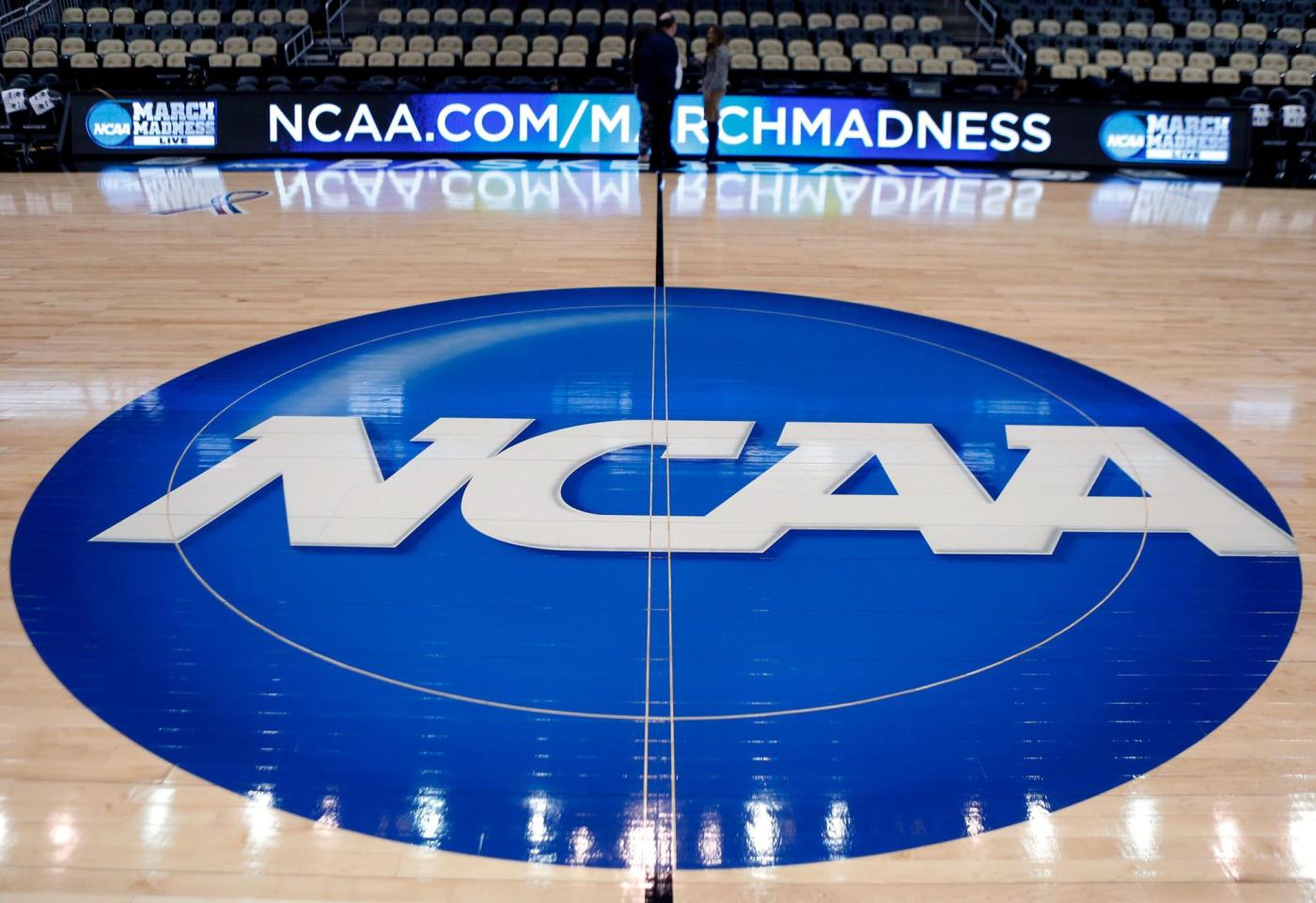
Legislators in the United States are advancing proposals aimed at stabilizing the future of college athletics. The SCORE Act, championed by Republican lawmakers, seeks to establish a national standard for name, image, and likeness (NIL) rights for student-athletes. Proponents argue this legislation is essential to protect college sports from disorder and potential exploitation amid inconsistent state regulations.
Each year, more than half a million young Americans earn college degrees while participating in athletics. Advocates emphasize the importance of preserving the integrity of this vital aspect of campus life, noting that it is one of the last areas not heavily influenced by prevailing liberal ideologies. The SCORE Act aims to provide clarity and stability, allowing institutions to maintain independence and protect student-athletes.
Legislative Proposals and Their Implications
The absence of cohesive national guidelines regarding NIL rights has led to disparities among athletes and programs, particularly impacting Olympic and women’s sports. Critics highlight the lack of protective measures that could shield young athletes from potential exploitation by third parties.
According to former Congressman Gregg Harper, who represented Mississippi’s 3rd Congressional District from 2009 to 2019, the SCORE Act offers a pragmatic approach to these challenges. It seeks to prevent college athletes from being classified as employees, thereby preserving the focus on education and competition. This classification is crucial for maintaining funding for non-revenue-generating sports, which often face administrative cuts in the current climate.
In contrast, the alternative SAFE Act raises concerns among stakeholders. This proposed legislation would enable federal oversight of collegiate athletic media agreements, which detractors argue could lead to unwanted government intervention in private negotiations. Critics fear this could open a pathway for ideological influence over college sports, which may undermine their traditional values.
Student-Athletes Speak Out
Voices from the student-athlete community further emphasize the stakes involved. Ashley Cozad, a swimmer at the University of North Florida, testified before Congress, expressing that many institutions would struggle to adopt an employee model. “Most institutions would not be able to afford an employee model,” she stated. “This model would decimate opportunities for athletes like me.”
Supporters of the SCORE Act argue that allowing college sports to remain free from excessive government control is vital for fostering resilience, teamwork, and discipline among student-athletes. They assert that a balanced approach is necessary to protect these values while ensuring the ongoing success of college athletics.
As the debate continues, the outcome of these legislative efforts could significantly influence the future landscape of college sports in the United States. Advocates stress the urgency of passing the SCORE Act to safeguard the traditions that define collegiate athletics and empower student-athletes.