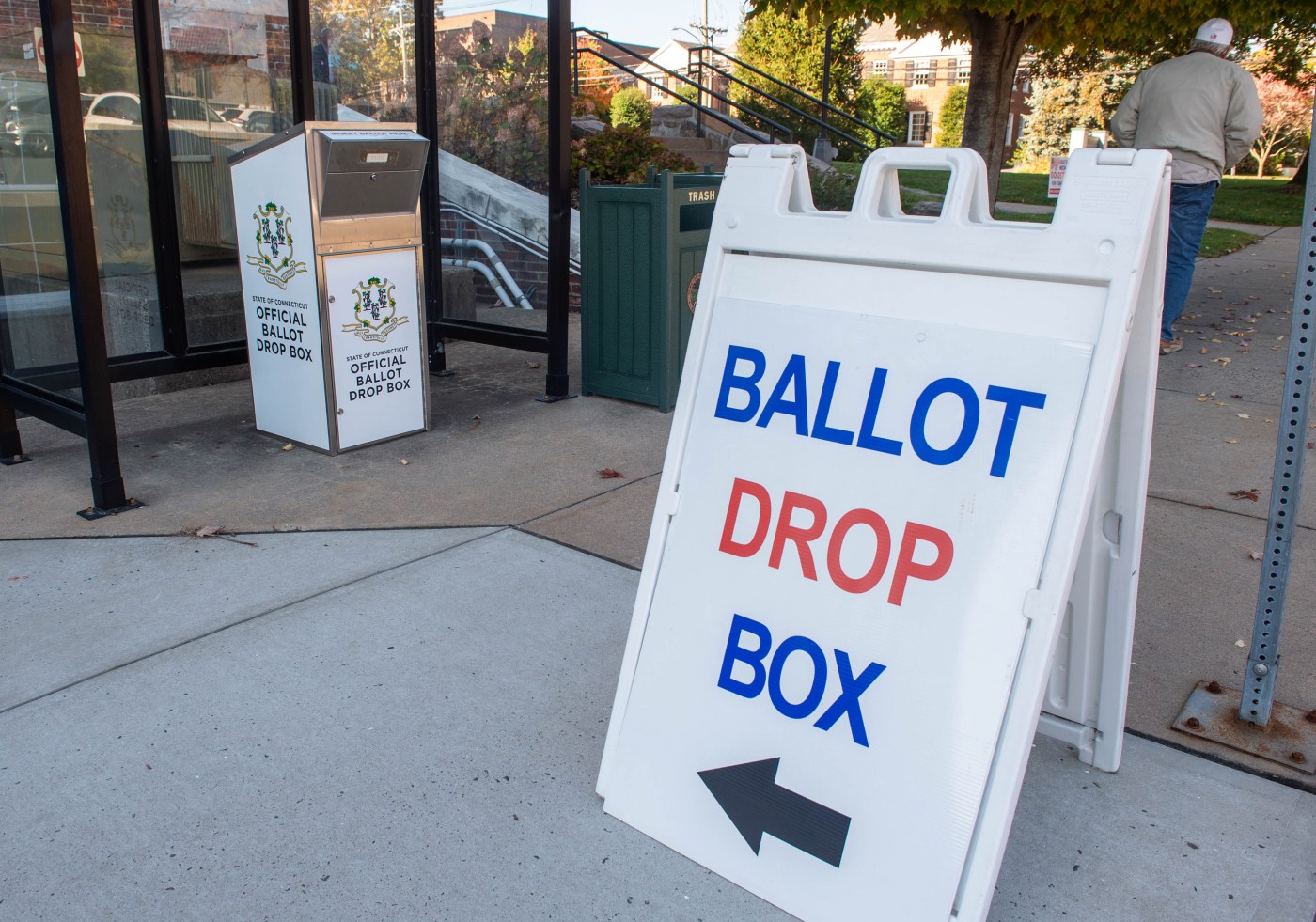
Voting is fundamental to democracy, allowing citizens to express their preferences and influence governance. In Connecticut, a proposed bill aims to prohibit Immigration and Customs Enforcement (ICE) agents from operating near polling places. This initiative has sparked significant debate, particularly among Republican lawmakers in Hartford, who have voiced strong opposition.
The intention behind the bill, introduced by State Representative Matt Blumenthal, is clear: to ensure that all eligible voters can cast their ballots without fear of intimidation. Yet, the response from some legislators has been anything but supportive. State Senator Robert Sampson criticized the bill, suggesting it distracts from more pressing issues. This dismissal of the bill overlooks the broader national context regarding the actions of ICE and their implications for voting rights.
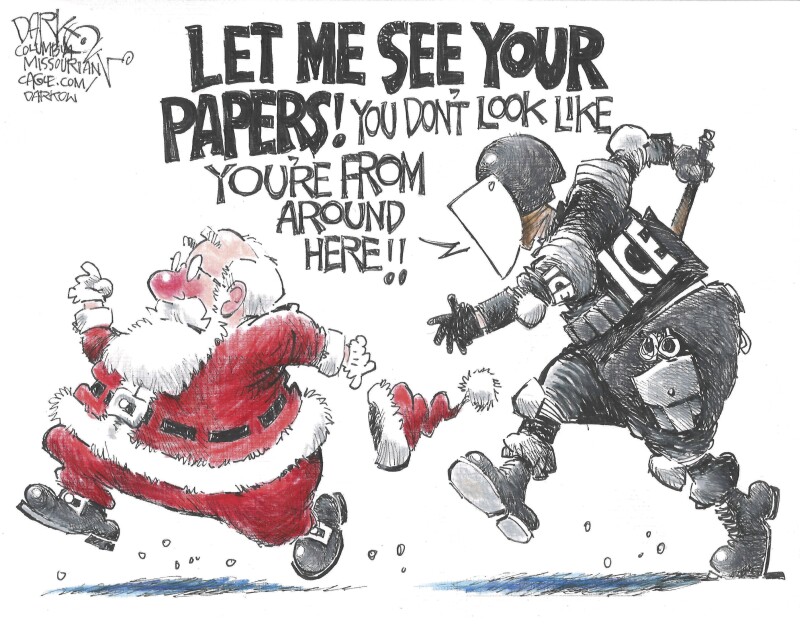
Over the last year, ICE has faced scrutiny for its aggressive enforcement under the Trump administration. Reports highlight disturbing patterns of conduct, including the deployment of 3,000 immigration enforcement agents in Minnesota, where residents experienced fear and anxiety as agents targeted individuals based on appearance or accent. Such actions have led to violence and intimidation, raising concerns about the potential for similar disruptions during elections.
The introduction of this bill comes at a critical time. It reflects a proactive approach to safeguarding the democratic process, especially as fears mount that intimidation tactics could impede voter turnout. If citizens feel threatened by ICE, they may choose to abstain from voting, further disenfranchising vulnerable communities.
Additionally, the Trump administration has pushed for stricter voting regulations, including the proposed Save Act, which would require proof of citizenship for voter registration. This requirement could disproportionately affect working-class voters who may lack the necessary documentation, such as passports. According to the State Department, only half of the U.S. population holds a passport, making this a significant barrier for many.
The administration has also sought to limit mail-in ballots and has taken legal actions against states, including Connecticut, for not complying with requests for sensitive voter data. These efforts are part of a broader strategy that appears to intentionally shape the electorate and complicate the voting process.
In the face of these challenges, Republican State Representative Gale Mastrofrancesco has characterized the proposed legislation as “fear-mongering.” In contrast, proponents argue that addressing the potential for ICE interference is a necessary step towards protecting democracy. Kica Matos, president of the National Immigration Law Center, advocates for the bill as a means to defend the right to vote against intimidation.
Despite the importance of this legislation, some Democrats, including State Representative Geraldo Reyes, have expressed doubts about its viability during the legislature’s shortened session. He cites significant divisions within the legislature as a reason for concern. Nonetheless, many argue that the difficulty of passing the bill should not deter lawmakers from pursuing it. Instead, it should galvanize political will to prioritize voter protection.
The urgency of this issue cannot be overstated. Ensuring that every eligible voter can participate in elections without fear is essential to the integrity of the democratic process. The ongoing threats to voting rights highlight the need for action now, rather than waiting for potential crises to unfold.
As Connecticut navigates these legislative challenges, the focus must remain on protecting the rights of all citizens to vote freely. The current political climate calls for a collective commitment to democracy that transcends party lines, ensuring that the right to vote is both defended and respected.