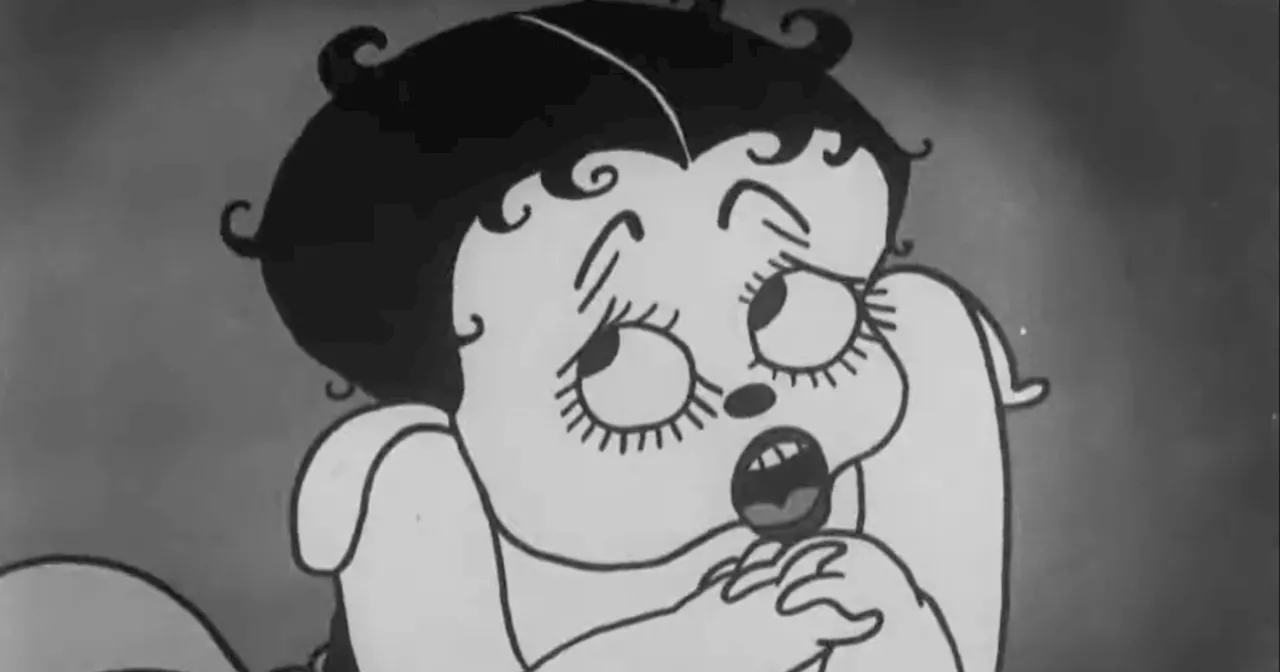
Under U.S. law, thousands of creative works from 1930 will enter the public domain at midnight on January 1, 2026. This change signifies that films, books, musical compositions, and various artworks will be free to use, share, and adapt after nearly a century of copyright protection. This year’s notable entries include classic characters such as the original Betty Boop and the first iteration of Disney’s Pluto, who was initially named Rover.
Exciting New Additions to the Public Domain
The impending release of these works has generated enthusiasm among copyright scholars and creators alike. Jennifer Jenkins, director of the Center for the Study of the Public Domain at Duke University Law School, expressed her excitement, stating, “I think this is my favorite crop of works yet, which is saying a lot.” Jenkins noted that this collection offers a unique opportunity to explore the history and influence of the early animation studios, including Fleischer and Disney.
The selection of films entering the public domain is vast, encompassing genres such as war stories, musicals, thrillers, Westerns, and comedies. Notable directors like Alfred Hitchcock, Howard Hughes, and Salvador Dalí contributed to these cinematic treasures. Among the musical compositions are classics like “Georgia on My Mind” and several iconic pieces by Ira and George Gershwin, including “I Got Rhythm” and “Embraceable You.”
Additionally, significant artworks, such as Piet Mondrian’s “Composition with Red, Blue and Yellow,” will also become publicly accessible. Jenkins and her team dedicated over 80 hours to curate this year’s list, highlighting the value of public domain works in fostering creativity and expanding access.
The Impact of Public Domain on Creativity and Accessibility
The transition of these works into the public domain is not only beneficial for artists but also for educators and the general public. Jenkins emphasizes that the availability of these works allows for greater creativity and accessibility. “Public domain isn’t just good news for those who want to create art, but also for those who simply want to consume it,” she explained.
Many creative works from the 1930s have been out of print for decades due to ownership complexities. Jenkins added, “Publishing houses go out of business, people die, ownership changes hands. Once these works go into the public domain, you don’t have to worry about that anymore.” This shift enables third parties to digitize old films and recordings that have deteriorated over time, ensuring their preservation and wider distribution.
This change is particularly important for educators who can utilize these resources at no cost, especially as school budgets tighten. Jenkins noted that the human connection behind these works resonates strongly. “Now we’re all having these conversations with our chatbots and wondering what it means that we’re reacting to artistic work or to words generated by a machine,” she said, reflecting on the enduring humanity of the creators of 1930.
As these works transition into the public domain, creators will have the freedom to adapt them without seeking permissions or incurring costs. “If you and I are really good at choreographing dance moves and writing lyrics, we could create our own musical featuring Betty Boop and take it in any creative direction we want,” Jenkins stated.
In summary, the arrival of 1930’s works into the public domain on January 1, 2026 marks a significant milestone in the creative landscape. It offers a wealth of opportunities for artistic expression and educational use, enriching cultural heritage and fostering a spirit of innovation and collaboration.