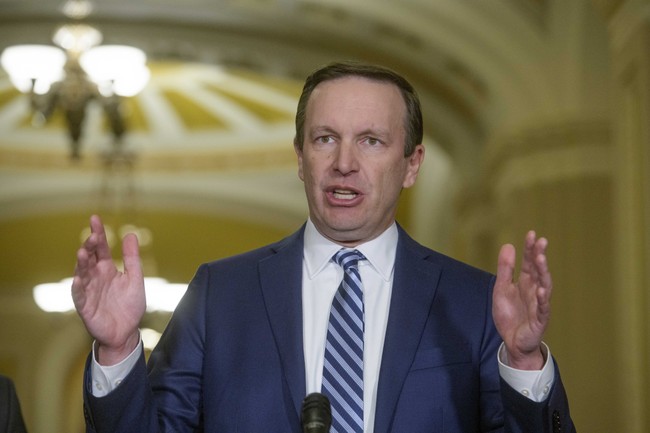
A mass shooting at Brown University in Rhode Island on the night of October 7, 2023, has prompted political figures to engage in discussions about gun control and responsibility. An unidentified assailant shot and killed two people while injuring several others on the university’s campus, which is designated as a gun-free zone. In the aftermath, Democratic Senator Chris Murphy appeared on CNN to discuss the incident, which has reignited debates about gun laws and the influence of political rhetoric.
During his conversation with CNN’s Dana Bash, Murphy attributed part of the blame for the violence to former President Donald Trump. He stated, “Donald Trump has been engaged in a dizzying campaign to increase violence in this country.” Bash’s role in the segment was to amplify Murphy’s concerns, raising questions about the broader implications of political discourse on public safety.
The shooting at Brown University was one of two high-profile incidents occurring that night. Reports indicate that another mass shooting took place in Australia, a country known for its strict gun laws. Critics have pointed out the irony of blaming Trump for violence in a country with a vastly different approach to gun control. This parallel raises questions about the effectiveness of policies aimed at preventing such tragedies.
In the wake of the shooting, some commentators have noted the challenges faced by law enforcement during the incident, suggesting that police presence was inadequate. Critics argue that the current political climate, characterized by escalating tensions and divisive rhetoric, has contributed to a culture of violence.
While discussing the shootings, Murphy and Bash emphasized the need for a more significant national conversation on gun control. Murphy noted that the Democratic Party aims to address what they see as a pattern of violence linked to inflammatory political speech. Critics of this narrative argue that such statements often lack evidence and distract from other underlying issues contributing to violence.
The discussion surrounding the Brown University shooting reflects a deeper political divide on how to address gun violence in the United States. Supporters of stricter gun control often cite the need for reform, while opponents argue that such measures infringe upon the rights granted by the Second Amendment. The events of October 7 have intensified these discussions, with individuals on both sides advocating for their views passionately.
In addition to the immediate aftermath of the shooting, the political implications of the rhetoric used by leaders like Murphy and Bash will likely resonate as the country approaches upcoming elections. As the narrative unfolds, the focus remains on finding solutions to the persistent issue of gun violence and the role of political discourse in shaping public perception and safety.