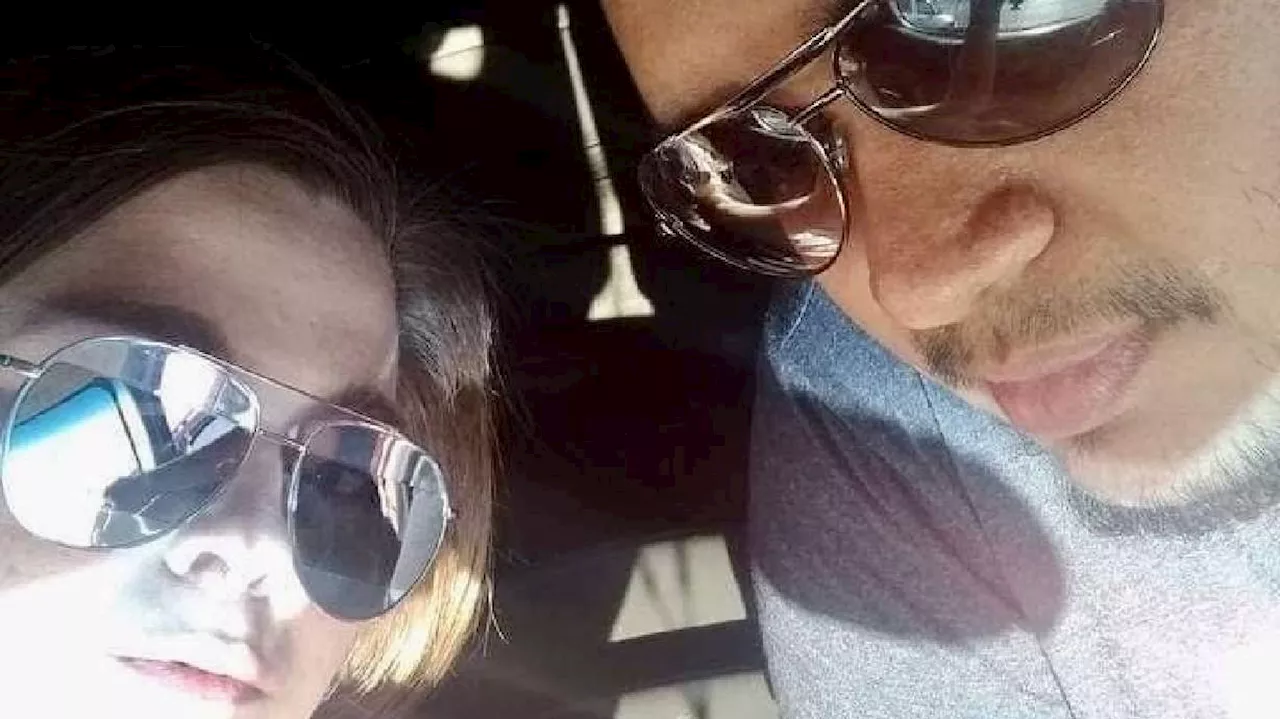
A Connecticut father, John Masserio Jr., secured custody of his daughter, Jewelyette, after a protracted legal battle with her foster parents, only to face an unforeseen tragedy shortly thereafter. The tumultuous journey, marked by a series of legal and emotional challenges, sheds light on the complexities of the foster care system and the relationships it fosters.
On July 17, 2017, while incarcerated at the Carl Robinson Correctional Institution, Masserio received a disciplinary report for attempting to bring a crayon into a supervised visit with his daughter. He later expressed to the parole board that his intention was simply to “color and make a memory” with Jewelyette. This incident raised concerns about his parental rights as he sought to regain custody upon release. “Did I just seal my fate?” he questioned in his letter to the board.
Despite the setback, Masserio was granted probation and released in 2018. He subsequently donated a set of crayons for other inmates to use during visits with their children. His focus remained clear: to reunite with Jewelyette.
The ensuing years were characterized by a complicated legal landscape involving Masserio, the foster family caring for Jewelyette, and the Connecticut Department of Children and Families (DCF). The foster parents, John and Diana Norman, aimed to adopt Jewelyette after she had spent seven years in their care. Meanwhile, Masserio persistently appealed to DCF for assistance in reclaiming his daughter.
The case escalated to the Connecticut Supreme Court, which ultimately overturned prior case law, affirming that foster families could act as legal intervenors in custody matters. This pivotal ruling ignited further debate nationwide regarding the role of foster parents during custody hearings. Advocates for foster families argue for greater rights, while biological families emphasize the importance of reunification.
Masserio’s fight for custody was underscored by his commitment to sobriety and parenting classes during his incarceration. He maintained regular contact with Jewelyette, despite the challenges posed by his imprisonment. DCF records indicated that he was not seen as a viable reunification resource due to his incarceration, prompting the agency to plan for the termination of his parental rights.
The Normans, who had been licensed as foster parents since 2014, initially believed the case would be straightforward. DCF informed them that Masserio’s rights would soon be terminated, allowing them to adopt Jewelyette. However, the reality proved to be more complicated, with legal battles extending over years.
During this time, the emotional landscape shifted significantly. Masserio, who described the day of Jewelyette’s birth as “the best day of my life,” remained devoted to her despite his circumstances. He wrote letters expressing his love and desire for reunification, and his efforts culminated in a change of social workers at DCF that shifted Jewelyette’s permanency plan towards reunification with him in 2020.
As Masserio and Jewelyette prepared for their reunion, the Normans filed motions to retain their role in her life, arguing that they had provided her with a stable home. This tension highlighted the fundamental conflict within the foster care system: the emotional bonds formed by foster families versus the biological ties of parents.
In August 2024, Jewelyette moved in with her father, marking a significant milestone in their relationship. However, the transition was not without challenges. Following the move, Jewelyette’s mental health deteriorated, leading to incidents where she expressed a desire to return to her foster family.
Tragically, just months into their reunion, Masserio fell ill with the flu and was hospitalized. His condition rapidly worsened, and he was diagnosed with renal failure. Despite being surrounded by his family, he passed away on January 21, 2025, just five months after regaining custody.
In the wake of his death, Jewelyette was placed with her aunt, Masserio-Giarratana, who sought to adopt her. The legal proceedings moved swiftly, culminating in Jewelyette’s adoption ceremony in June 2025, just days before her tenth birthday.
The courtroom was filled with family and DCF staff, all bearing witness to the bittersweet moment. Jewelyette donned a dress her father had purchased for her, embodying the love he had for her throughout their brief time together.
“Jewelyette, carry him with you always,” her attorney remarked during the proceedings, emphasizing the lasting bond between father and daughter. Despite the profound joy of her adoption, it served as a poignant reminder of the challenges they faced and the love that continued to bind them.
As the legal landscape shifts for foster parents in Connecticut, the Normans reflect on their loss and the family dynamics that have changed irrevocably. They continue to advocate for the rights of foster families, even as they grieve the absence of a child they considered their own.
The story of John Masserio Jr. and Jewelyette serves as a powerful narrative on the complexities of parental rights, the challenges of the foster care system, and the enduring bonds of family.