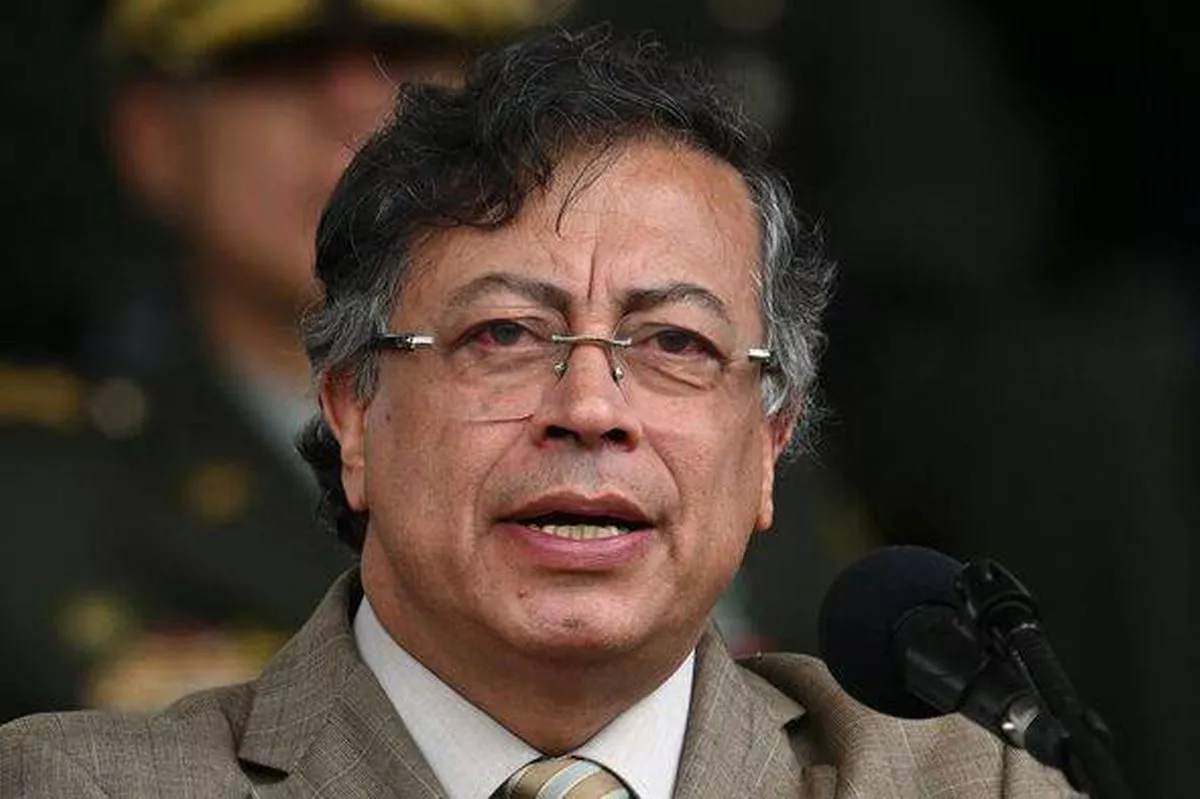
Colombia’s President Gustavo Petro has sharply criticized wealthy elites for their role in the ongoing crisis in Venezuela. During a recent statement on his social media account, Petro expressed his concerns regarding the influence of affluent individuals who he believes are motivated by fear of China and are attempting to disrupt the international order. This commentary comes in the wake of escalating tensions involving the United States and its foreign policy approach towards Latin America.
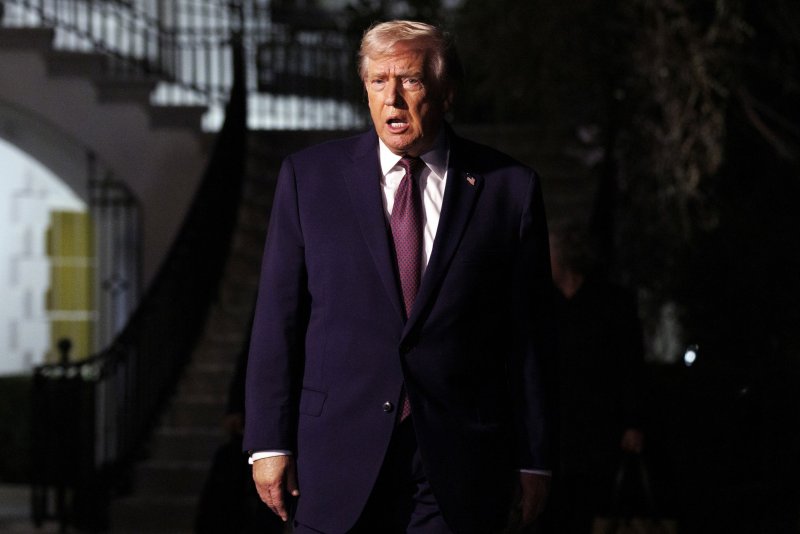
Petro’s remarks appear to be a reaction to Donald Trump‘s controversial comments about intervening in various countries, including Venezuela and the potential for military action against Nicolás Maduro. He stated, “I know that with this, votes are not won, but reflection and ideas can save humanity. The problem is not me; the problem is a group of very rich people who, scared of China, want to break the entire international order.” This statement underscores the growing geopolitical complexities in the region.
The recent American military operation targeting Venezuela has sent shockwaves through Beijing, prompting strong reactions from Chinese officials. According to an analysis by Michael Sheridan in the Independent, Chinese leaders were “deeply shocked” by the United States’ actions and have demanded the immediate release of Maduro and his wife. This situation highlights the fragile diplomatic ties between China and Venezuela, which had been bolstered just two years ago when Xi Jinping welcomed Maduro with open arms, promising unwavering support.
Just 48 hours before Maduro’s capture, he met with Qiu Xiaoqi, a senior Chinese diplomat, at the Miraflores presidential palace. Their discussions revolved around over 600 agreements spanning energy, infrastructure, finance, and political cooperation. Qiu’s mission aimed to strengthen ties and deter potential American aggression, but the recent developments suggest a significant diplomatic setback for Beijing.
As the aftermath of the operation unfolds, Sheridan identifies four critical questions that Chinese leaders must contemplate, which could influence their strategic response. The stark contrast between Venezuela’s outdated military capabilities and China’s advanced defense systems may motivate Beijing to enhance its military technologies. This assessment could also guide the People’s Liberation Army in considering potential actions regarding Taiwan.
China’s energy partnership with Venezuela, where the Maduro regime repays loans through discounted oil shipments, has put Beijing in a precarious position. While Trump has pledged to maintain oil flows, the future pricing of these shipments remains uncertain, adding another layer of complexity to the relationship.
Following the military action, China condemned the United States for its intervention, labeling the move as a “clear violation of international law, basic norms in international relations and the purposes and principles of the UN Charter.” The Chinese government views Maduro’s detention as a potential rallying point for nations that oppose American hegemony.
By vocally denouncing the U.S. actions against what they consider a sovereign nation, Chinese officials aim to differentiate the situation in Venezuela from their stance on Taiwan. In China’s perspective, Taiwan is not recognized as a sovereign state, complicating the narrative surrounding international sovereignty issues.
The unfolding crisis in Venezuela and the reactions from both the United States and China will likely shape the geopolitical landscape in Latin America and beyond, raising critical questions about the future of international relations in the region.