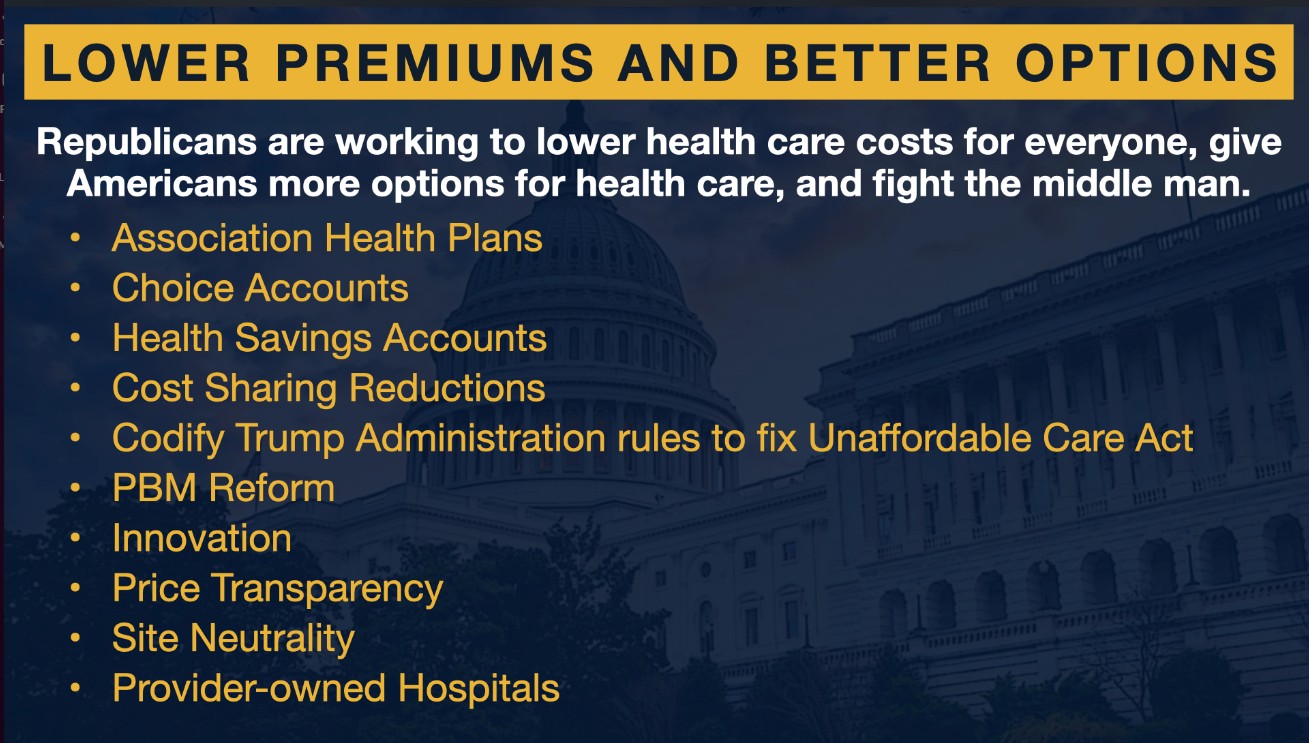
House Republican leaders are grappling with increasing pressure as they failed to present a concrete plan for advancing health care legislation during a closed-door meeting on November 7, 2023. The urgency stems from the impending expiration of key subsidies under the Affordable Care Act, commonly known as Obamacare, which will end on December 31, 2023. Speaker Mike Johnson shared a list of ten potential policies that could garner support in the coming weeks or months, but no definitive strategy emerged from the discussions.
The proposals varied in specificity. Some, such as expanding Health Savings Accounts and reforming oversight of pharmaceutical benefit managers, were more detailed. Others were less clear, including a point simply labeled “Innovation.” Notably absent from the list was any mention of extending the expiring tax credits that many members believe are crucial for voters in their districts.
During the meeting, tensions flared as several Republican representatives expressed concern about the party’s direction on health care. Vulnerable members, including Rep. Jen Kiggans from Virginia, cautioned against the political ramifications of not extending the subsidies. One House Republican, speaking on condition of anonymity, described a “general uneasiness” within the ranks, emphasizing the need for a cohesive plan with only seven session days remaining this year.
The atmosphere grew more charged as over twenty GOP members, representing various factions, took to the microphones to voice their opinions. Some hard-line members opposed any extension of the subsidies unless they included further restrictions on abortion coverage, a stance that puts them at odds with Republicans from districts where such issues may alienate voters ahead of the next election.
“There was no consensus,” stated Rep. Ralph Norman from South Carolina, highlighting the divisions within the party. Despite these challenges, GOP leaders remain optimistic about advancing less controversial measures, including the proposed HSA expansion and funding a program aimed at reducing out-of-pocket costs for Obamacare enrollees.
However, according to several Republicans who requested anonymity, an extension of the expiring tax credits appears unlikely at this stage. Johnson indicated to attendees that discussions on health care could continue into the first half of next year, timed just before the critical midterm elections.
As the House GOP navigates these complex issues, the pressure mounts. The outcome of their decisions regarding health care could significantly impact their electoral prospects in 2024, making the stakes higher than ever.