The House Oversight Committee has voted to hold former President Bill Clinton and former Secretary of State Hillary Clinton in criminal contempt of Congress. This decision follows their refusal to comply with a congressional subpoena related to the ongoing investigation into Jeffrey Epstein. On Wednesday, the committee, which is led by Republicans, cast a vote of 34-8, emphasizing the partisan divide surrounding the Epstein inquiry.
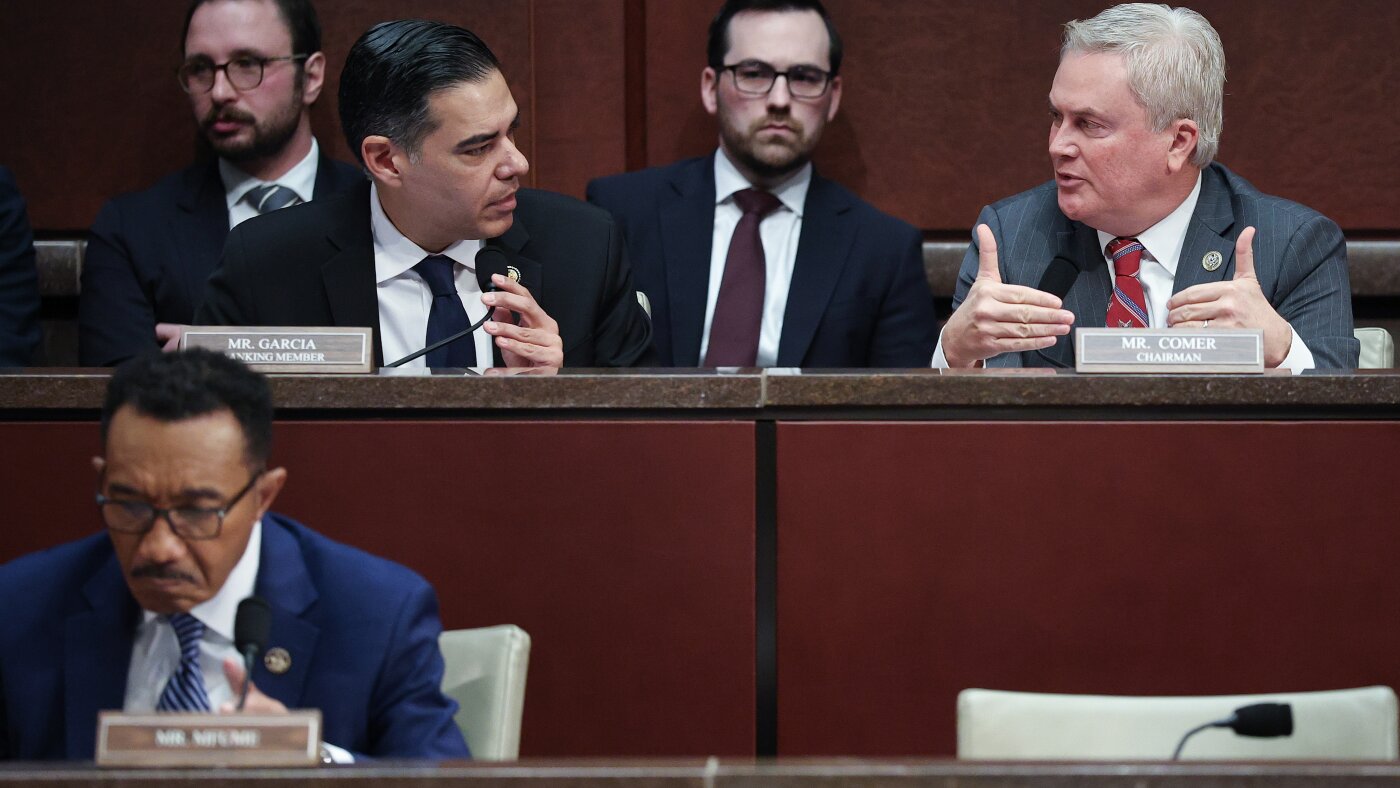
According to the committee’s GOP members, the Clintons had been given multiple opportunities to testify but failed to appear for their scheduled closed-door depositions last week. The Clintons have criticized the subpoenas as legally invalid and assert they have already provided the committee with what they describe as minimal information. House Oversight Committee Chairman James Comer, a Republican from Kentucky, defended the committee’s actions. He pointed out that they had acted in good faith and had offered flexibility in scheduling, but perceived a lack of cooperation from the Clintons.
Political Dynamics and Internal Tensions
The contempt vote represents the first such referral by the GOP-led committee, highlighting the entrenched partisan conflict surrounding the Epstein case. If the full House approves the contempt charges, the matter will be forwarded to the Department of Justice for potential prosecution. The vote was notable not only for its outcome but also for the internal divisions it revealed among Democrats. Nine Democrats joined Republicans in advancing the measure, while three Democrats specifically voted to hold Hillary Clinton in contempt.
Critics of the contempt charges, including California Representative Robert Garcia, the top Democrat on the panel, have suggested that the vote is primarily a political maneuver. Garcia emphasized that the focus on the Clintons distracts from broader issues, pointing out that other former U.S. attorneys general, such as Eric Holder and Loretta Lynch, also did not comply with subpoenas but were not held in contempt.
Garcia further noted that the Clintons had offered alternative formats for their testimony and expressed a willingness to negotiate an interview with Bill Clinton. He argued that this approach could lead to more constructive dialogue regarding the Epstein investigation.
Future Investigative Steps
The committee is set to continue its investigations, with plans to virtually interview Ghislaine Maxwell, Epstein’s associate, who is currently incarcerated in Texas after being convicted for sex trafficking of a minor. The committee also scheduled a public hearing next month featuring Pam Bondi, the former Florida Attorney General.
Contempt of Congress is a relatively rare charge, historically reserved for significant cases of noncompliance. Notably, during the Biden administration, two close allies of former President Donald Trump—Steve Bannon and Peter Navarro—were each sentenced to four months in prison for failing to cooperate with investigations into the January 6 attack on the U.S. Capitol.
As the investigation unfolds, the committee remains under scrutiny for its methods and motivations. Democratic representatives have pointed out perceived inconsistencies in the committee’s approach, suggesting that the focus on the Clintons may indicate a lack of seriousness in addressing the broader implications of the Epstein case.