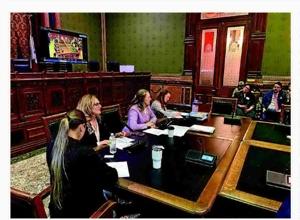
In a significant legislative move, the Iowa House of Representatives voted on March 6, 2024, to advance bills aimed at restricting classroom discussions related to sexual orientation and what the state defines as “gender theory.” The measures, primarily supported by Iowa House Republicans, extend existing prohibitions into middle and high schools, signaling a shift in educational policies across the state.
Details of the Proposed Legislation
The proposed legislation builds upon previous laws that limited discussions of sexual orientation in elementary schools. Under the new bills, educators would face restrictions on any instructional material or programs that reference LGBTQ+ issues, effectively curbing discussions about sexual identity and gender expression in educational settings.
Governor Kim Reynolds has expressed her support for these bills, framing them as necessary to protect parental rights and uphold traditional values in education. Proponents argue that such measures are essential to ensure that parents have a central role in deciding when and how their children learn about these topics.
Critics, including various educational and civil rights groups, have voiced strong opposition to the legislation. They argue that limiting education on sexual orientation and gender identity not only undermines inclusivity but also poses risks to the mental health and well-being of LGBTQ+ students. According to a report by the Iowa Coalition Against Sexual Assault, such restrictions may exacerbate feelings of isolation and discrimination among vulnerable youth.
Impact on Iowa’s Educational Landscape
The implications of these bills extend beyond the classroom. Schools may need to reevaluate their curriculums and training programs for teachers to comply with the new restrictions. This shift could lead to a decrease in resources available for LGBTQ+ students and reduce safe spaces within educational environments.
In response to the legislative developments, organizations such as the Human Rights Campaign have called on community members to advocate against the proposed changes. They emphasize the importance of fostering an educational climate that embraces diversity and promotes understanding among students of all backgrounds.
The bills have now moved to the Iowa Senate, where further discussions and votes will determine their fate. As the legislative session progresses, the debate surrounding LGBTQ+ education in Iowa is expected to intensify, reflecting broader national conversations about inclusivity and educational rights.
The outcome of this legislation could set a precedent for similar measures in other states, potentially affecting thousands of students and teachers across the country. As Iowa lawmakers continue to push these bills, the future of LGBTQ+ education in the state hangs in the balance.