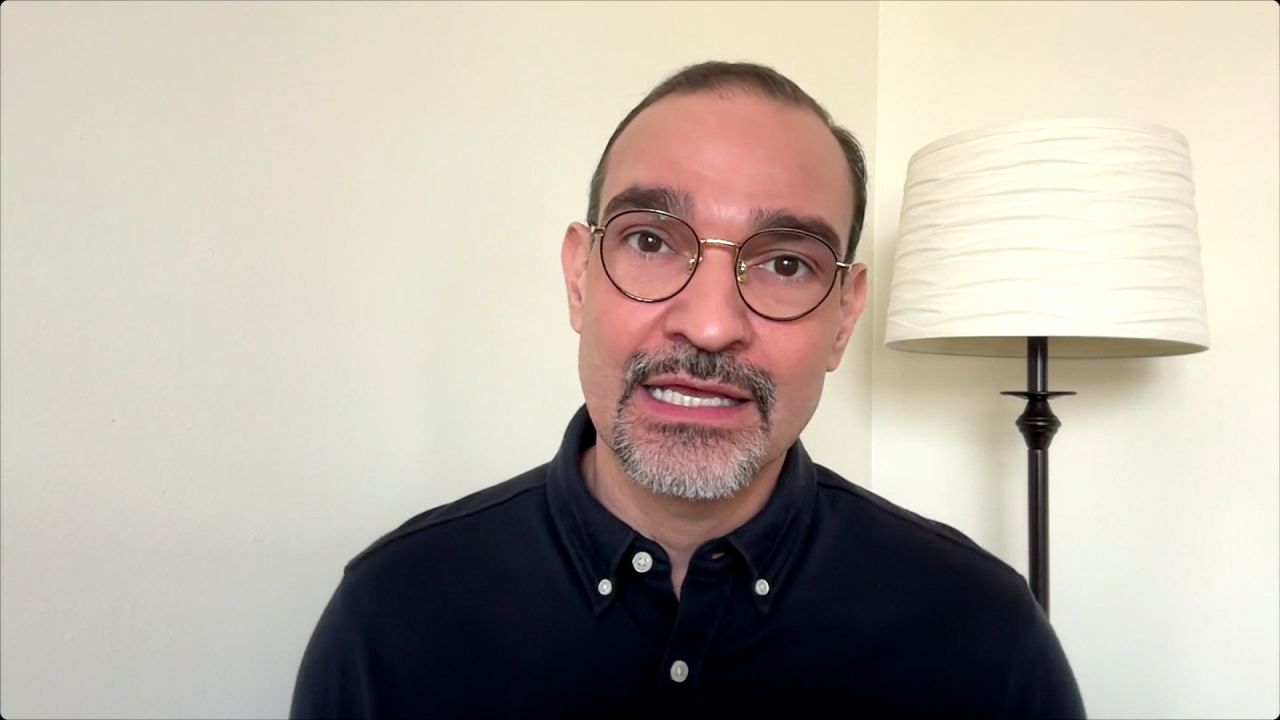
The Pentagon’s recent directive to pause initial training for military recruits living with HIV has sparked significant controversy. Activist and Broadway actor Javier Muñoz voiced strong opposition to this decision during an interview with CNN, asserting that it reflects “bigotry and discrimination” toward those affected by the virus.
Muñoz, a prominent advocate for HIV/AIDS awareness, expressed concern that the Pentagon’s stance sends a damaging message about the inclusion of individuals living with HIV within the U.S. military. He emphasized that such policies are not only outdated but also harmful, reinforcing stigma surrounding the disease.
In his conversation with CNN’s Danny Freeman, Muñoz remarked on the implications of this decision. He stated, “The military should be a place where everyone is welcome, regardless of their health status.” His comments highlight the ongoing struggle against discrimination faced by those living with HIV, especially in institutions that play a crucial role in national security.
The Pentagon’s announcement comes as part of a broader review of military health policies. While the specifics of the review process remain unclear, many advocates fear that it may lead to further exclusionary practices. The military has historically had restrictive policies regarding the health conditions of recruits, and this recent move appears to signal a continuation of that trend.
Advocates for HIV awareness have been vocal in their criticism of the military’s approach. Organizations focused on HIV/AIDS advocacy argue that the decision undermines progress made over the past few decades in treating the virus as a manageable health condition. These organizations emphasize the importance of inclusivity and the need for the military to reflect contemporary medical understanding of HIV.
Public health experts also share concerns about the potential consequences of such policies. They stress that individuals living with HIV can serve effectively in various capacities within the military, provided they receive proper healthcare support. Furthermore, advancements in treatment have significantly improved the quality of life for those diagnosed with HIV, allowing them to lead productive lives.
As the debate continues, Muñoz remains dedicated to advocating for change. He believes that the military should be at the forefront of inclusivity, setting an example for other institutions regarding how to treat individuals living with chronic health conditions. For many, his perspective resonates as a call for a more equitable approach to health and service.
The implications of the Pentagon’s decision extend beyond the military itself, reflecting broader societal attitudes towards health and discrimination. As advocates push for reform, the conversation surrounding HIV/AIDS continues to evolve, underscoring the need for awareness and understanding in all sectors of society.
In conclusion, the Pentagon’s directive to halt initial training for recruits living with HIV has ignited a passionate response from activists like Javier Muñoz. His advocacy highlights the ongoing battle against stigma and discrimination, urging a reevaluation of policies that affect the lives of many individuals in service to their country.