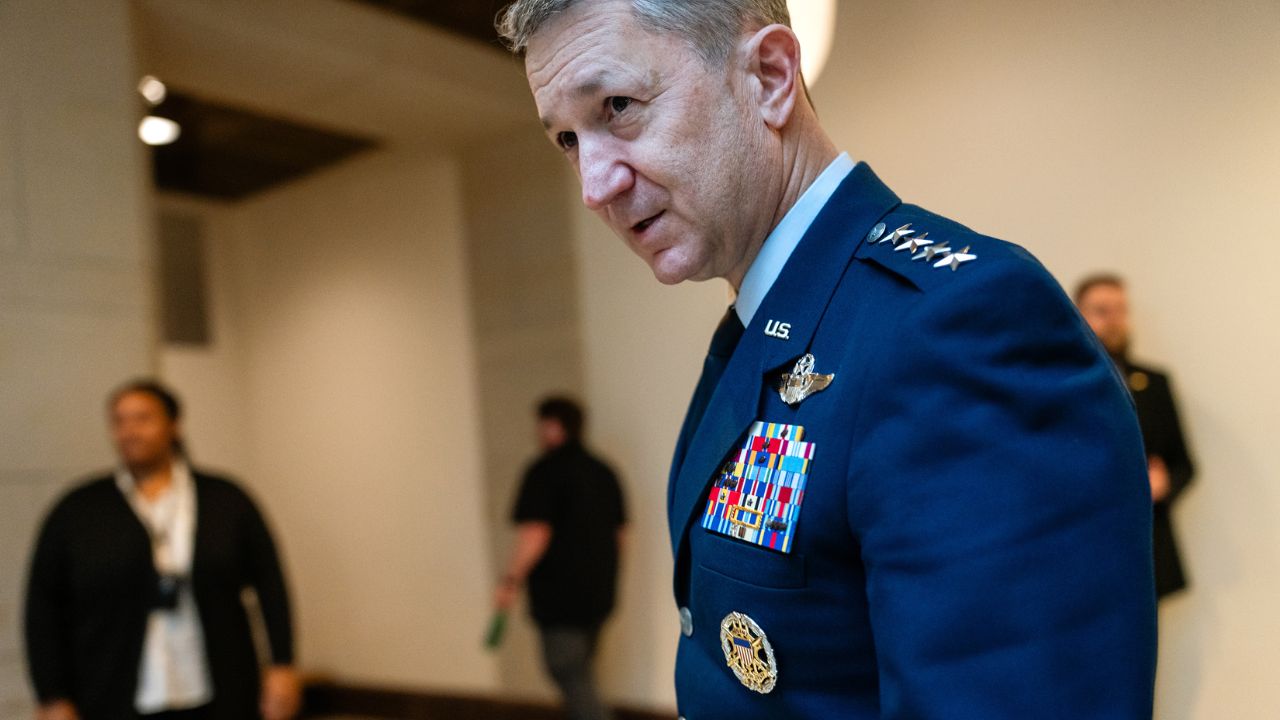
In a significant move, Gen. Dan Caine, the chair of the Joint Chiefs of Staff, has invited military leaders from 34 countries in the Western Hemisphere to a rare summit in Washington on February 11, 2024. This gathering marks a pivotal moment, reflecting the increasing importance of regional military cooperation under the current U.S. administration.
The meeting will include top military officials from nations such as Denmark, Britain, and France, all of which maintain territories in the region. The agenda is expected to primarily focus on strengthening efforts to combat drug trafficking and transnational criminal organizations, highlighting a coordinated response to challenges affecting regional security.
Context of the Summit
This invitation follows several recent events that underline the shifting dynamics in U.S. foreign policy. Notably, a commando raid earlier this month led to the capture of Venezuelan President Nicolás Maduro. Additionally, tensions have escalated between the U.S. and European allies regarding Greenland, a territory that President Donald Trump has claimed is vital for national security. These developments have intensified discussions about a revised security strategy prioritizing the Western Hemisphere.
According to Caine’s office, military leaders will discuss the importance of “strong partnerships, continued cooperation, and united efforts to counter criminal and terrorist organizations.” This collaborative approach aims to address external threats that undermine regional stability.
Challenges and Diplomatic Strains
While the summit aims to enhance security cooperation, it occurs against a backdrop of strained diplomatic relations. Canadian Prime Minister Mark Carney recently delivered a stark address in Davos, Switzerland, indicating a significant shift away from the era dominated by U.S. influence, describing it as a “rupture.”
The U.S. has also increased pressure on Mexico to permit U.S. military forces and CIA officers to conduct joint operations against fentanyl production. This strategy aims to curb the flow of this dangerous drug into the United States, reflecting a broader focus on drug cartels and organized crime.
In parallel, discussions regarding Greenland have oscillated between tensions and potential resolutions. Trump has expressed the need for increased U.S. presence in the Arctic, proposing various measures to secure American interests on the island.
Despite these geopolitical tensions, military leaders are striving to maintain functional relationships. Regular meetings between senior U.S. commanders and their counterparts in Europe, Africa, and the Pacific have continued, aiming to keep military channels open amid political discord. Yet, the upcoming summit is unprecedented in scale, with U.S. officials noting that no similar event has been held for military leaders from such a broad array of countries in the Western Hemisphere since the end of the Cold War.
At the summit, Caine is expected to advocate for enhanced collaboration against drug trafficking and transnational crime. However, previous attempts at cooperation have encountered obstacles; for instance, Britain ceased sharing intelligence related to U.S. operations against drug trafficking in the Caribbean last September.
Adam Isacson, a regional security expert at the Washington Office on Latin America, emphasized that the current U.S. administration expects regional militaries to align closely with U.S. priorities, particularly concerning drug enforcement and distancing from nations such as China and Iran.
Caine, a former F-16 fighter pilot, will be joined by Gen. Gregory M. Guillot, head of Northern Command, and Lt. Gen. Evan L. Pettus, acting head of Southern Command, at the conference. Trump’s nominee for Southern Command, Gen. Francis L. Donovan, is currently awaiting Senate confirmation.
The upcoming summit represents a critical opportunity for military leaders in the Western Hemisphere to align their strategies and address pressing security concerns affecting the region.