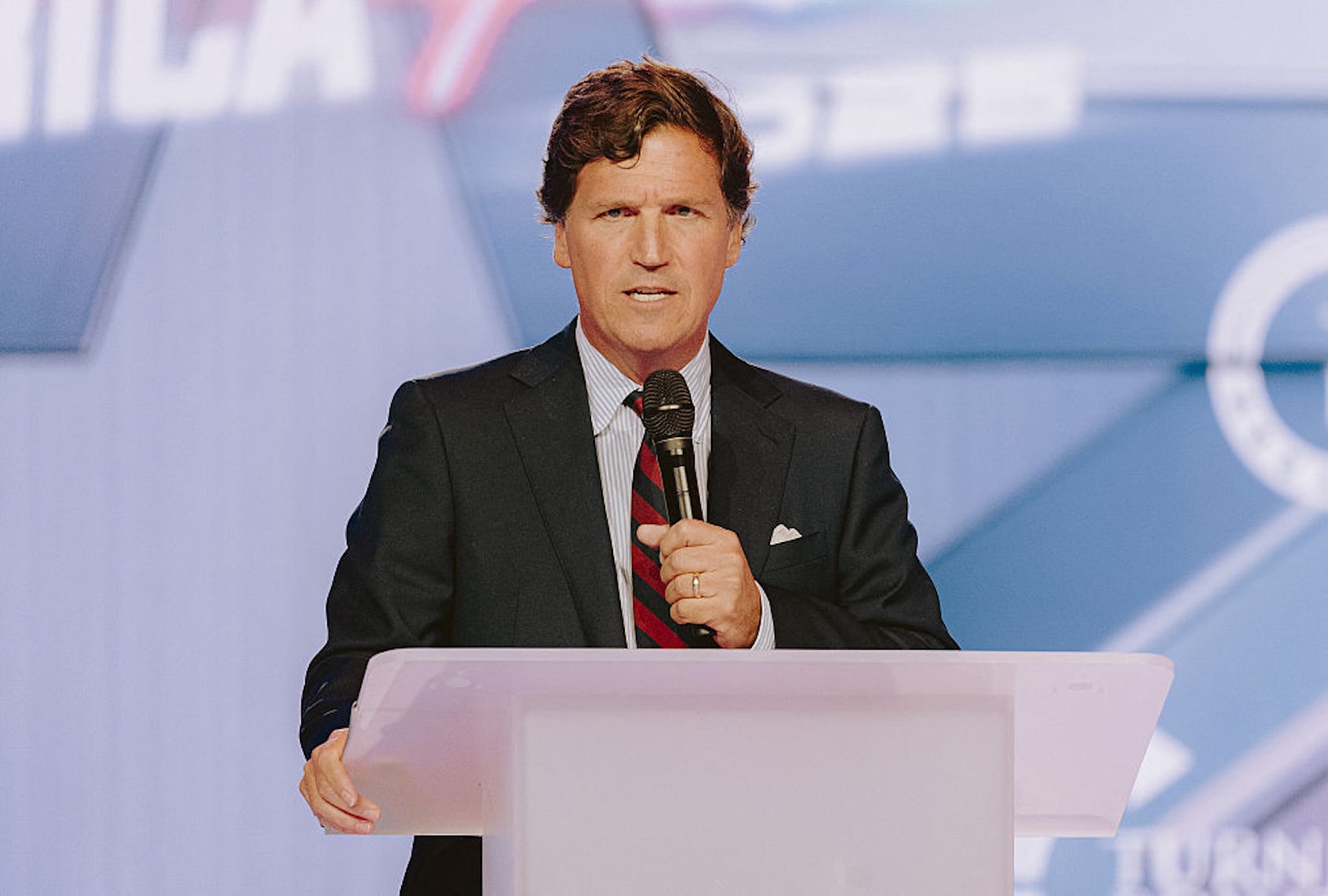
In a pivotal moment of American media history, comedian Jon Stewart confronted conservative commentator Tucker Carlson during a 2004 episode of CNN’s debate show Crossfire. Stewart, then the host of The Daily Show on Comedy Central, criticized the show’s format as a disservice to serious political discourse. His scathing remarks, particularly directed at Carlson, exposed what he viewed as the superficial nature of televised political debate.
The clash occurred against the backdrop of the second Iraq War, a time when public sentiment around media integrity was increasingly fraught. Stewart’s criticism resonated with audiences, leading to the cancellation of Crossfire shortly thereafter. Yet, the impact of this confrontation on Carlson’s career proved to be more complex than a simple defeat.
From Critic to Controversial Figure
In the years following the Crossfire episode, Carlson’s trajectory shifted dramatically. While initially appearing to take Stewart’s criticisms to heart, he gradually redefined his approach to journalism. As documented in Jason Zengerle‘s biography, *Hated by All the Right People*, Carlson transitioned from a somewhat traditional journalist to a polarizing figure within conservative media.
Carlson’s strategy involved embracing the very sensationalism Stewart condemned. He transformed his platform into a vehicle that amplified the most extreme elements of the Republican Party, effectively reshaping the GOP’s narrative. This evolution has prompted some to view Carlson as a key architect of a more radical political discourse, even more so than former President Donald Trump.
Carlson’s ability to connect with right-wing audiences has been marked by his skillful pandering to their emotions and fears. Each time it seemed his career might falter, he managed to rebound, often by intensifying his controversial rhetoric and building a loyal following. His approach has been characterized by a penchant for conspiracy theories and a narrative that positions him and his audience as victims of a larger, malevolent force.
The Legacy of the Confrontation
Stewart’s 2004 appearance on Crossfire is more than just a memorable television moment; it serves as a crucial turning point in the relationship between media and politics. While Stewart advocated for a return to fact-based journalism, Carlson’s response was to create a media environment where alternative facts flourished.
The conflict symbolizes a broader shift in the media landscape, where sensationalism often overshadows substantive debate. Carlson has effectively cultivated a narrative that portrays progressives as an all-consuming evil, framing any dissent as a threat to American values. This tactic has proven effective in sustaining his popularity among audiences who crave moral justification for their beliefs.
As the media continues to evolve, the implications of this dynamic remain significant. Carlson’s trajectory reflects a growing trend within right-wing media to reject traditional journalistic standards in favor of narratives that resonate emotionally with their audience.
In examining Carlson’s career, it becomes evident that he has thrived not merely by dismissing Stewart’s ideals but by fully embracing a model that caters to consumer demand for validation and reassurance. The legacy of the Crossfire confrontation ultimately highlights the ongoing struggle between responsible journalism and the allure of sensationalism in the political arena.