In the Lehigh Valley, three health centers play a critical role in delivering quality, affordable healthcare to underserved communities. These centers, known as Federally Qualified Health Centers (FQHCs), provide comprehensive primary care to over 30 million people across the United States annually, regardless of their insurance status or ability to pay. The Valley Health Partners Community Health Center, Neighborhood Health Centers of the Lehigh Valley, and Star Community Health are essential components of this healthcare landscape, each addressing unique community needs while remaining focused on improving health outcomes and reducing disparities.
FQHCs: A Model of Community-Centric Care
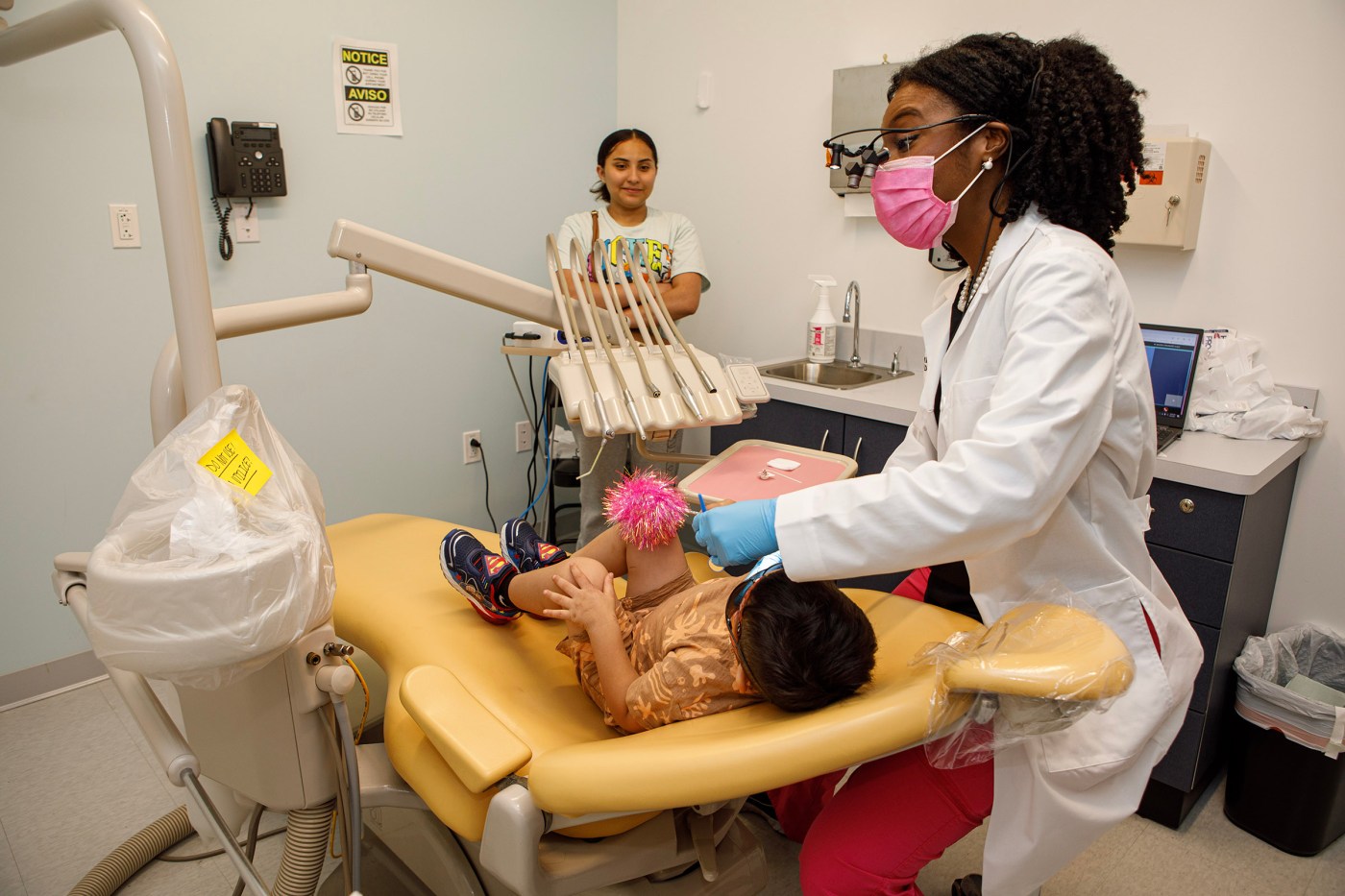
The FQHC model is designed to ensure accessibility and quality in healthcare. Each center must offer a full range of services, including preventive care, behavioral health, dental services, and chronic disease management. Importantly, they are governed by boards with significant patient representation, reflecting community needs rather than corporate interests. Research indicates that FQHCs contribute to lower healthcare costs by reducing avoidable emergency room visits and improving management of chronic diseases.
Valley Health Partners (VHP), operating in some of Allentown’s most underserved neighborhoods, exemplifies this model. VHP emphasizes compassion, accessibility, and cultural sensitivity, providing a network of family health centers, pediatric services, and behavioral health programs. Their school-based services ensure that children have access to preventive care, which helps decrease chronic absenteeism and promotes long-term health. By closely integrating with the Lehigh Valley Health Network, VHP’s clinicians help facilitate continuity of care for patients transitioning from hospital to home, a critical factor in preventing complications and unnecessary readmissions.
Comprehensive Care Across Multiple Centers
Neighborhood Health Centers of the Lehigh Valley (NHCLV) operates in Allentown, Bethlehem, and Easton. They offer integrated primary care alongside dental and behavioral health services, forming a medical home for patients facing various challenges, including housing instability and food insecurity. NHCLV’s team-based approach enhances patient care, allowing physicians, nurse practitioners, and community health workers to collaborate effectively.
Star Community Health, affiliated with St. Luke’s University Health Network, further strengthens the region’s healthcare safety net. Its range of services includes family medicine, dental care, and pediatric practices, alongside innovative mobile health units that bring essential services directly into communities. This outreach targets children who might otherwise lack access to preventative care, addressing health issues before they escalate into emergencies.
Together, VHP, NHCLV, and Star provide vital services to tens of thousands of residents. Each center contributes to reducing avoidable emergency room usage, improving maternal and pediatric health outcomes, and addressing social determinants of health such as language barriers and transportation issues.
These health centers represent a model of high-value care, delivering better outcomes at lower costs, particularly for populations that are often marginalized. As healthcare costs continue to rise and workforce shortages deepen, the importance of these FQHCs will only increase.
Policymakers, employers, and community members must recognize these centers not merely as safety-net providers, but as essential assets in the health system. In a climate where healthcare can often feel impersonal and inaccessible, the Lehigh Valley’s FQHCs embody a commitment to community, dignity, and equity. Valley Health Partners, Neighborhood Health Centers of the Lehigh Valley, and Star Community Health are not just integral to the region’s healthcare, but vital to its future.
Tom Whalen, a retired physician and vice chair of the Board of Valley Health Partners, emphasizes the significance of these centers in shaping a healthier community. The views expressed in this article reflect the author’s perspective and do not necessarily represent those of this publication.