The increasing polarization of politics in the United States has begun to seep into personal relationships, with many liberal Americans expressing a strong reluctance to date conservatives. This sentiment has been amplified in light of recent political developments, particularly during the Trump administration, and reflects a growing concern over shared values and safety in romantic connections.
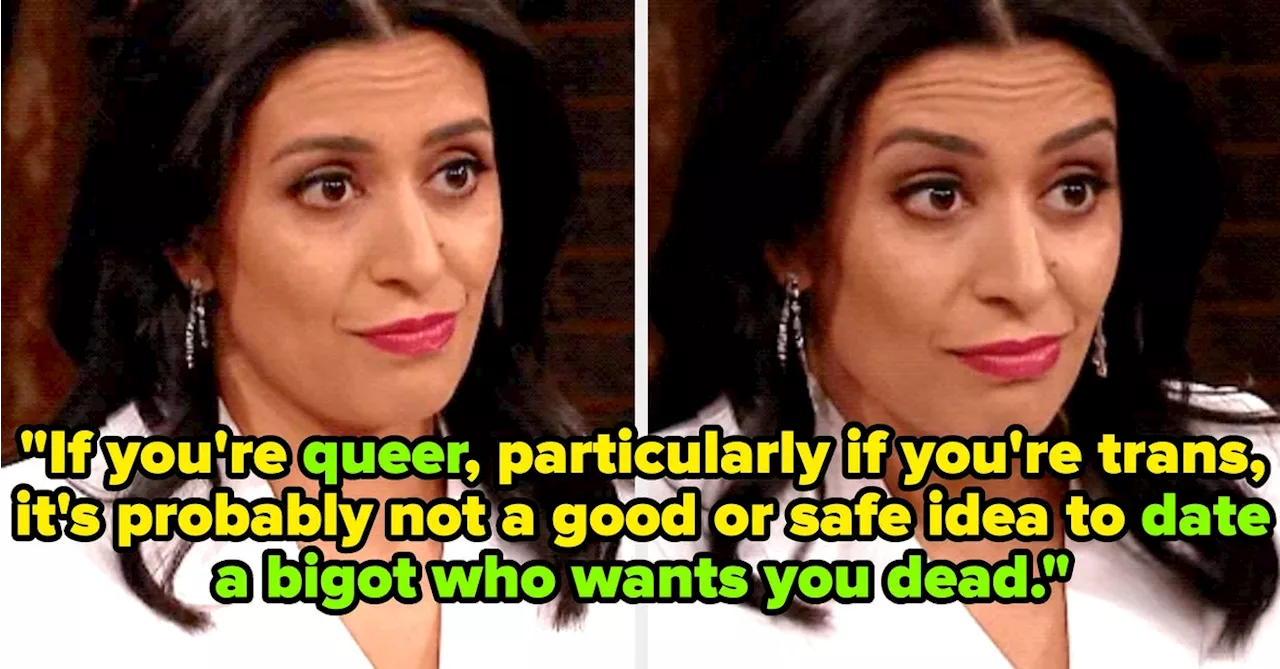
Many individuals identify a direct connection between political beliefs and personal relationships. For members of the LGBTQ community, the stakes are particularly high. One individual noted, “If you’re queer, particularly if you’re trans, it’s probably not a good or safe idea to date a bigot who wants you dead.” This perspective underscores a broader sentiment among liberals who believe that aligning with someone who holds conservative views may lead to a risk of personal safety and comfort.
The apprehension extends to immigrants as well, with one individual stating, “As an immigrant, I’m not a huge fan of dating someone who thinks I’m a lazy scum who should ‘go back to my own country.'” The fear of being judged or devalued based on one’s identity creates significant barriers to dating, particularly when political rhetoric often targets marginalized groups.
Values Conflict in Relationships
For many, the notion of dating someone who holds elitist views regarding race, gender, or sexual orientation is simply untenable. Numerous respondents indicated that they could not imagine bringing a partner home who would not respect their friends or family members, many of whom belong to marginalized communities. One individual expressed, “I can’t imagine I’d date someone that I can’t safely bring around my friends and family.”
The unwillingness to date conservatives also relates to concerns about shared values. It becomes evident that many individuals perceive political beliefs as reflections of deeper moral convictions. “Your political views are how you see the world,” one respondent stated. “If your views are that some people are simply less human and less deserving of rights than others, that’s a dealbreaker.”
The survey data suggests that for many, the line between political ideology and personal morality has blurred. More than just economic policies, political views have become intertwined with fundamental beliefs about human rights and dignity. Individuals note that they prefer to cultivate long-term relationships based on shared values, stating, “A solid relationship is based on shared values.”
Concerns About Safety and Family Dynamics
Beyond personal comfort, safety concerns play a pivotal role in determining dating preferences. Some individuals report that dating someone with conservative leanings could endanger their social circles, particularly for those with friends who belong to the LGBTQ community or who are people of color. The fear of being associated with individuals who may harbor prejudiced views can create a significant barrier in dating dynamics.
The impact extends to potential future family dynamics as well. One respondent reflected on the challenges of co-parenting with someone who espouses opposing views, particularly on issues like gun control and reproductive rights. “Better to reject them before getting legally tied to them for the next 20-ish years,” they advised. This sentiment echoes a widespread anxiety among liberals regarding the implications of long-term commitments with someone whose values diverge sharply from their own.
Finally, many individuals expressed frustration with the perceived hypocrisy of some conservatives, particularly regarding issues like women’s rights and social justice. One individual articulated feelings of disillusionment, stating, “It’s funny how so many conservatives strayed from the importance of ‘family values’ and morality. They are major hypocrites.”
The complexities of dating in a politically charged environment reveal a landscape fraught with challenges. As political discourse becomes increasingly divisive, many individuals find themselves drawing firm lines regarding potential romantic partners, reflecting broader societal trends that prioritize ideological alignment in personal relationships.