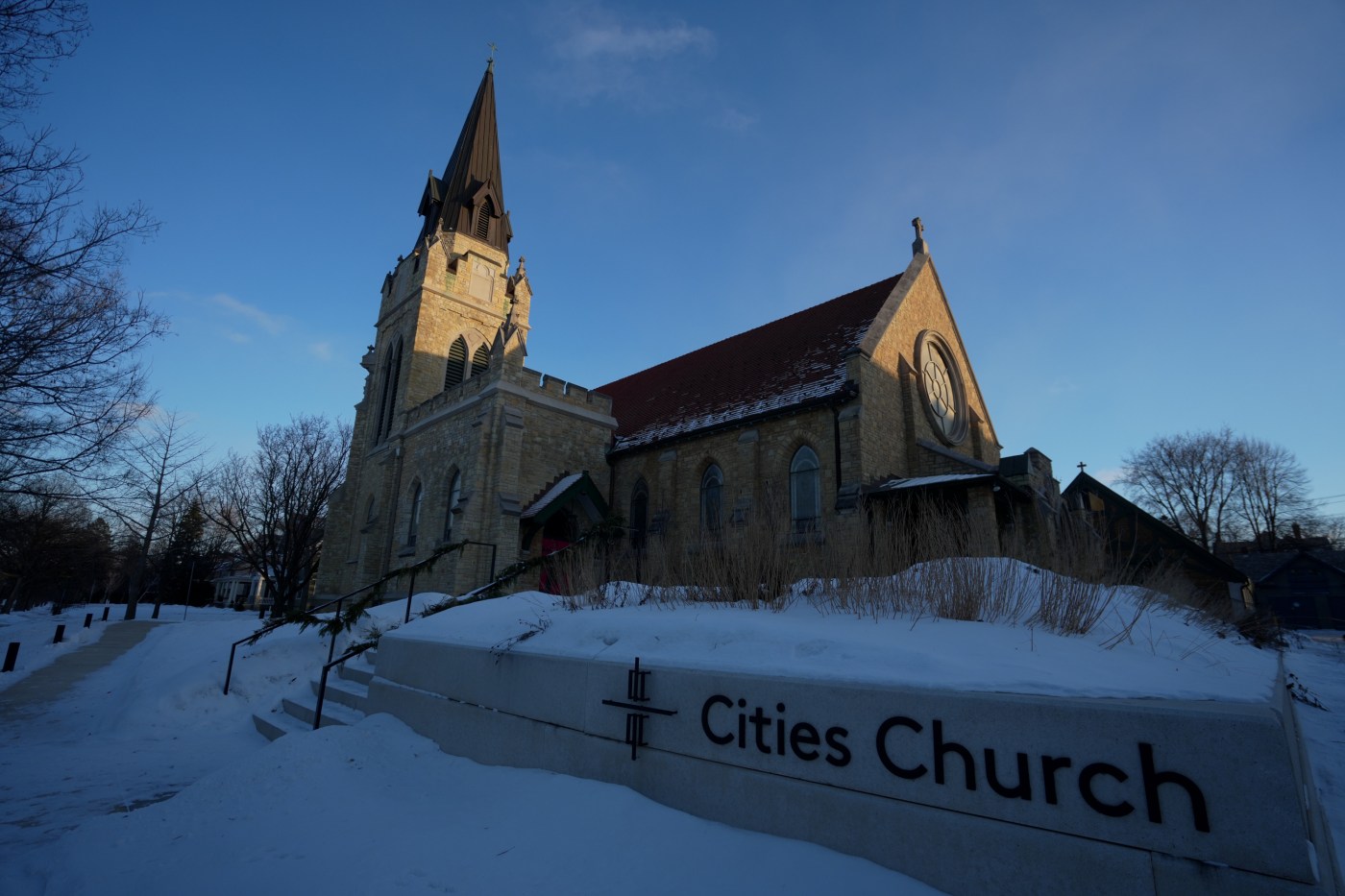
The recent arrest of government employees for protesting in Minneapolis has raised significant questions about the boundaries of First Amendment rights for public sector workers. On March 19, 2024, Jamael Lundy, the intergovernmental affairs director of the Hennepin County Attorney’s Office, participated in a protest against Immigration and Customs Enforcement (ICE) alongside an anti-ICE group at Cities Church in St. Paul. This incident underscores the complex balance between free expression and the responsibilities of government employees.
Understanding the First Amendment Limitations
The First Amendment of the United States Constitution guarantees essential rights, including freedom of speech and assembly. However, these rights are not absolute, especially for government employees. Under the Hatch Act, federal employees must refrain from engaging in political activities while at work, which includes limiting their political activism. This regulation aims to maintain the impartiality of government officials and prevent conflicts of interest.
In the case of Lundy, his actions during the protest have sparked debate regarding his role as a public servant. By joining the demonstration, despite being a political candidate, Lundy may have compromised the perceived integrity of the Hennepin County Attorney’s Office. This raises concerns about whether public employees can effectively represent the interests of all constituents while publicly expressing political opinions.
Consequences of Political Activism as a Government Employee
The protest in St. Paul became contentious when Lundy and two other leaders of the anti-ICE group were arrested. They faced charges for conspiring to interfere with the worshippers’ First Amendment rights to practice their religion. This incident highlights the potential repercussions of government employees engaging in political demonstrations while on duty.
The actions taken by Lundy not only prompted legal implications but also stirred public sentiment regarding the accountability of government officials. Constituents expect their representatives to prioritize the rule of law and uphold the constitutional rights of all citizens. When public employees engage in protests that may appear to undermine federal law enforcement, it creates an atmosphere of distrust towards both law enforcement and government institutions.
The situation reflects a broader concern about how government employees navigate their rights to free speech while fulfilling their professional obligations. As noted by Houston Keene, a director at Democracy Restored/InsideSources, government employees must recognize the delicate balance between exercising their First Amendment rights and maintaining their responsibilities to the public.
In light of this incident, it is crucial for government workers to understand the limitations imposed on their political activism. While they certainly possess rights to free expression, the context of their employment demands a higher standard of conduct. This balance is essential for fostering trust in public institutions and ensuring that all citizens can exercise their rights without fear of bias or interference from those in government positions.
The events in Minneapolis serve as a reminder that while the First Amendment protects individual freedoms, it also imposes certain responsibilities on government employees to maintain the integrity of their roles. As discussions continue regarding the implications of such protests, it remains to be seen how these incidents will influence public perception and policy regarding political activism among public servants.