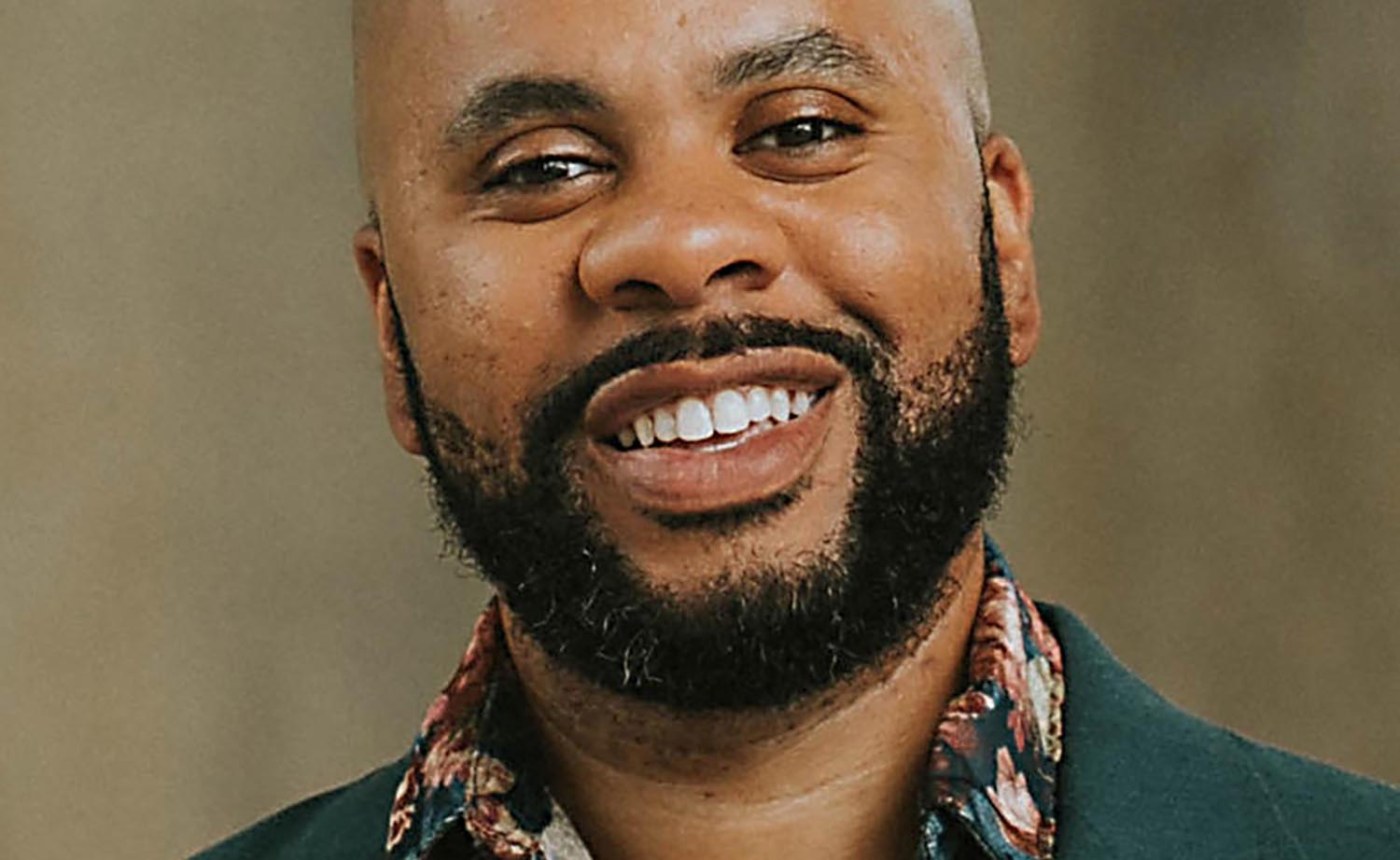
Kilmar Abrego Garcia, a Maryland man previously embroiled in a complex legal battle over his immigration status, has recently taken to TikTok to share lip-sync videos. This unexpected turn of events follows his controversial deportation saga, which has drawn attention from lawmakers and law enforcement alike.
Garcia was initially deported to his home country but was later brought back to the United States to face charges related to human trafficking. In early October, a judge upheld his final order of removal, denying his motion to reopen the case. Subsequently, the U.S. Immigration and Customs Enforcement (ICE) indicated he was slated for deportation to Uganda. However, citing fears of persecution, Garcia’s deportation was instead arranged to the African nation of Eswatini.
Despite these serious legal issues, as of December 2025, Garcia is back in Maryland, reportedly free and actively posting videos on social media. The situation has sparked outrage among some observers who question the leniency of the legal system regarding individuals with serious allegations against them.
DHS Assistant Secretary Tricia McLaughlin expressed frustration over the circumstances surrounding Garcia’s case, stating, “American justice ceases to function when its arbiters silence law enforcement and give megaphones to those who oppose our legal system.” This sentiment reflects broader concerns about the handling of immigration cases and the perceived challenges faced by enforcement agencies.
The legal complexities surrounding Garcia’s case underscore ongoing debates regarding immigration policy in the United States. Critics argue that individuals with serious criminal allegations should not be allowed to remain in the country, while supporters of immigration reform advocate for more humane treatment of individuals facing deportation.
As Garcia continues to share his TikTok videos, reactions from the public remain mixed. Some view his online presence as a mockery of the judicial process, while others see it as a reflection of the broader issues within the immigration system.
In light of these developments, the conversation surrounding immigration enforcement continues to evolve, highlighting the tensions between legal processes and public sentiment. The future of Garcia’s case remains uncertain, but the implications of his situation resonate within the ongoing dialogue about immigration in America.