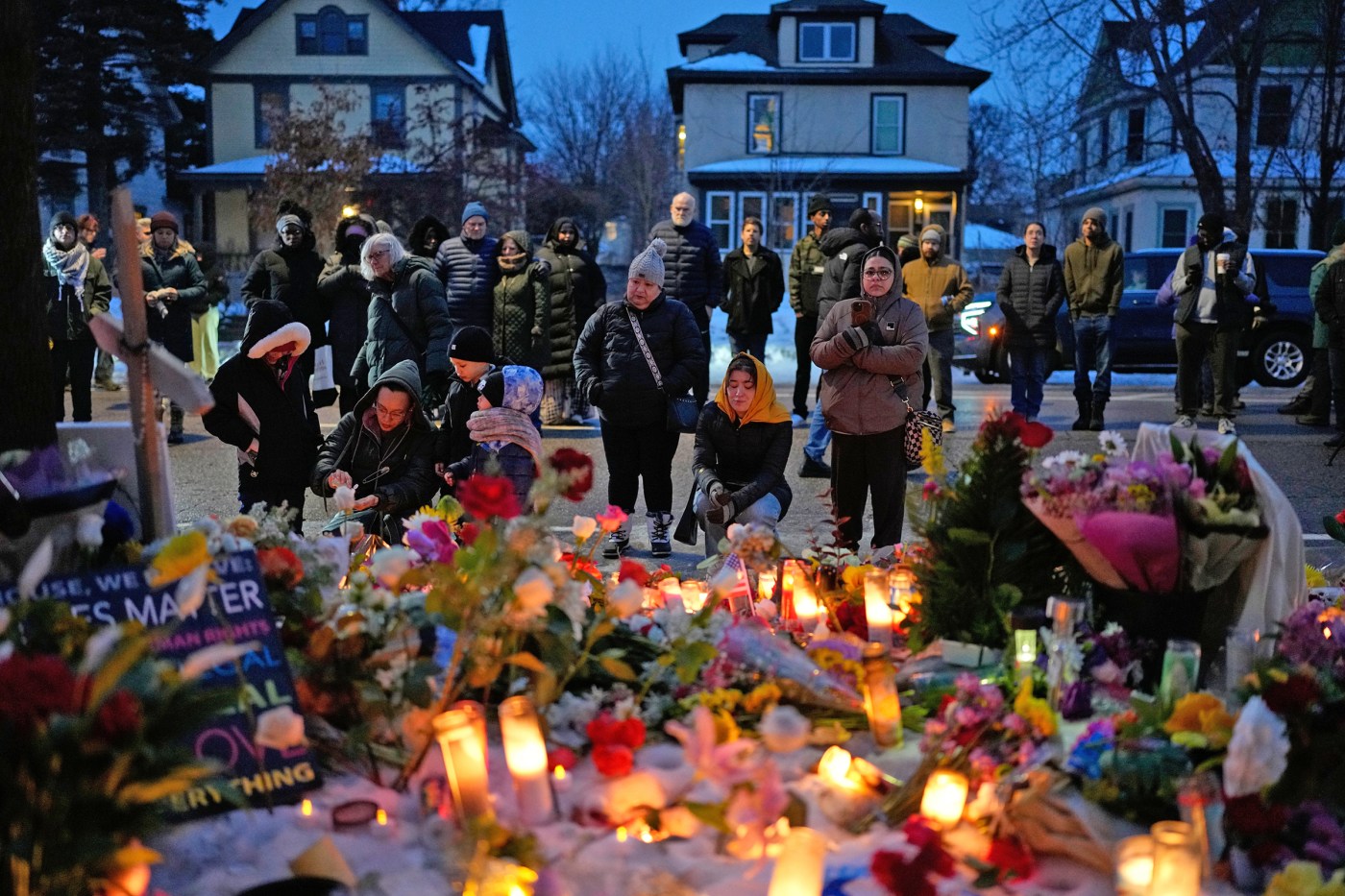
The recent police shootings of Renee Good and Alex Pretti in Minneapolis have ignited a renewed debate on police accountability and transparency. As federal authorities investigate these incidents, many critics argue that the lack of independent oversight undermines public trust in law enforcement. The perception that police agencies prioritize self-protection over accountability continues to fuel skepticism and tension between the police and the communities they serve.
Concerns regarding the federal government’s handling of these investigations have only deepened public cynicism. Following the shootings, high-ranking officials, including Vice President J.D. Vance and DHS Secretary Kristi Noem, made statements that appeared to exonerate federal agents involved. This has raised questions about the impartiality of the ongoing investigations. The FBI has taken control of the probes, limiting access for state and local authorities to critical evidence and interviews, which many see as a departure from essential principles of transparency.
Critics argue that such actions reinforce the belief that police accountability is often a facade. The perception that law enforcement operates without adequate scrutiny has significant implications for public safety. When community members feel that police agencies are unaccountable, they may be less inclined to report crimes or cooperate with law enforcement, further complicating efforts to maintain community safety.
The investigations into the deaths of Good and Pretti should focus on key questions regarding the use of force and the decisions made by officers in the moments leading up to the shootings. Specifically, investigators need to determine whether agents reasonably perceived an imminent threat of death or serious bodily harm when lethal force was employed. Such evaluations hinge on observable facts rather than generalized fears, and it is imperative that these inquiries are thorough and unbiased.
Additionally, it is crucial to assess whether alternatives to lethal force were available at the moment the shootings occurred. This includes examining the distance between the officers and the individuals involved, their movements, and whether earlier tactical decisions contributed to the escalation of the situation. These considerations align with the standards local police departments apply in their assessments of officer-involved shootings.
Furthermore, the investigation must scrutinize whether the actions of the agents adhered to federal agencies’ own use-of-force policies and widely accepted policing standards. This entails a careful review of commands issued, warnings provided, the timing of the shots fired, and the operational plans in place at the time of the incidents. Such an analysis is vital to distinguish between appropriate use of force and conduct that violates established policies or laws.
The current narrative surrounding these investigations risks damaging public perception of federal law enforcement. By consolidating control over the investigations and making premature declarations about their outcomes, federal authorities have hindered the public’s confidence that these critical questions will be addressed with the seriousness they warrant.
As public scrutiny intensifies, the handling of these cases could become a critical juncture for broader discussions on police accountability. The outcome of these investigations will not only impact the individuals involved but may also shape public trust in law enforcement agencies nationwide.
Concerns surrounding the accountability of law enforcement have far-reaching implications. The discourse surrounding the shootings of Good and Pretti serves as a reflection of the challenges faced by police and the communities they serve. As society watches how these investigations unfold, the results will likely influence perceptions of legitimacy and cooperation in law enforcement long after legal determinations are made.
Retired law enforcement officials, such as Diane Goldstein, a 21-year police veteran and executive director of the Law Enforcement Action Partnership, emphasize that independent investigations are essential for preserving public trust. They argue that a transparent process is necessary to uphold the integrity of law enforcement and foster community confidence in policing.
The ongoing situation in Minneapolis represents a pivotal moment in the discourse on police accountability. As communities grapple with these complex issues, the implications of the outcomes will reverberate far beyond the immediate cases, potentially reshaping the relationship between law enforcement and the public for years to come.