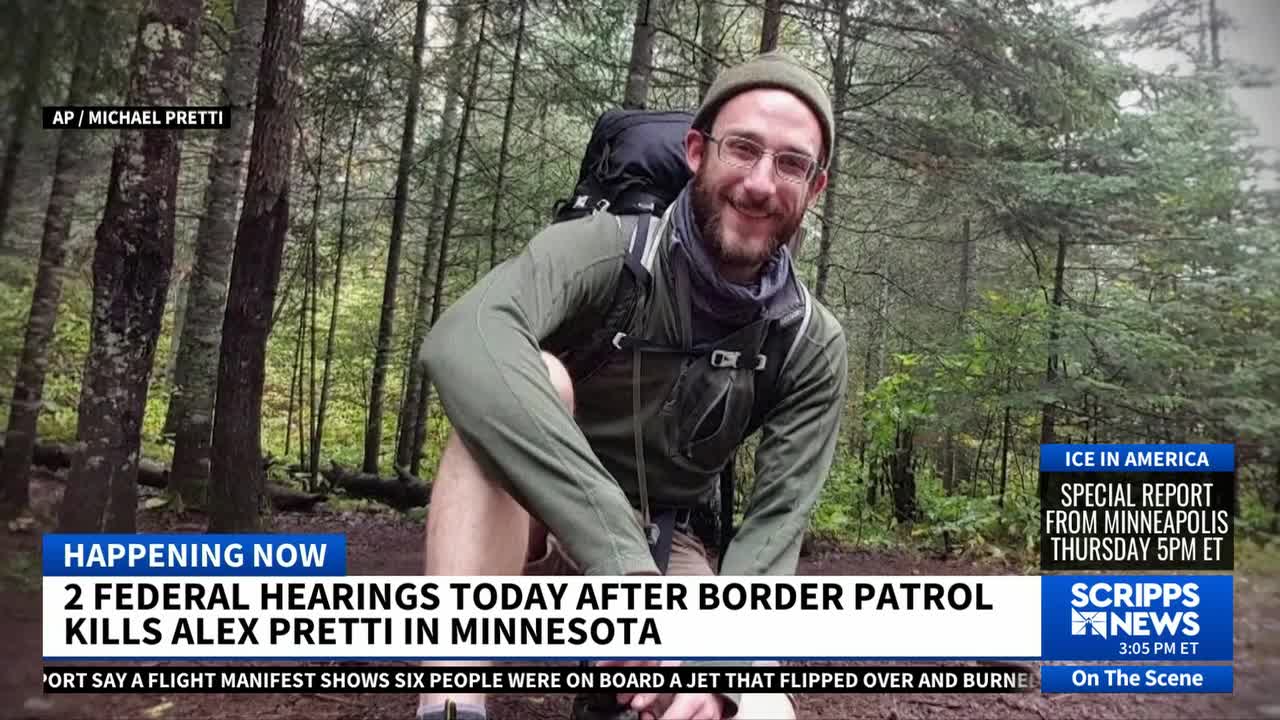
Attorneys for the state of Minnesota have called on a federal judge to promptly halt operations conducted by U.S. Immigration and Customs Enforcement (ICE) in the state. This request follows the shooting death of 37-year-old Alex Pretti, which has intensified scrutiny over ICE’s actions in the region.
On March 15, 2024, Minnesota’s Attorney General, Keith Ellison, urged for an end to Operation Metro Surge, a program aimed at apprehending individuals with outstanding immigration violations. Ellison’s office submitted a letter to Judge Katherine Menendez, asserting that the situation is “grave” and claiming that the Trump administration is operating unlawfully within Minnesota. The judge heard arguments for more than two hours but did not issue an immediate ruling.
During the proceedings, Judge Menendez remarked on the “shockingly unusual times” Minnesota is experiencing. However, she expressed uncertainty about whether this context would allow her to take action under the 10th Amendment, which protects states’ rights.
In a related matter, a letter from Florida Attorney General Pam Bondi to Minnesota Governor Tim Walz accused local authorities of violating federal regulations. Ellison responded, stating, “The Pam Bondi letter reveals what this is all about. This is not about fraud, immigration, or law enforcement. It’s about handing over private information, including voting data, to the federal government.”
Federal Court Actions on ICE Activities
On the same day, a separate hearing in St. Paul involved Judge Eric Tostrud, who was considering a case that would require the federal government to preserve evidence related to individuals harmed by ICE operations in Minnesota. On March 13, 2024, Judge Tostrud issued an order preventing the Trump administration from “destroying or altering evidence” connected to Pretti’s shooting. This ruling aimed to ensure that any relevant evidence remains intact for future court proceedings.
The ongoing legal battles reflect broader tensions surrounding immigration enforcement in the United States, particularly in states like Minnesota that have taken a stand against ICE’s tactics. As events unfold, the implications of these cases may extend beyond Minnesota, influencing national discussions about immigration policy and state rights.