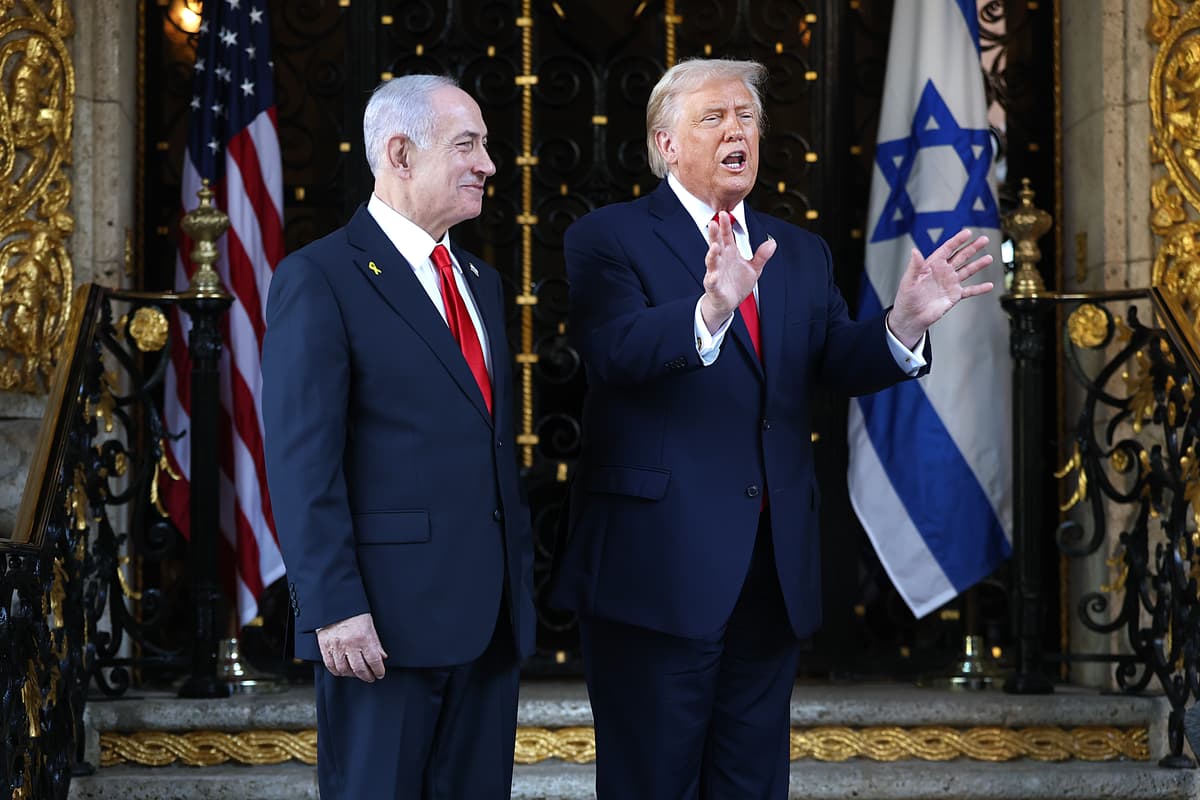
Tensions between Israeli Prime Minister Benjamin Netanyahu and former U.S. President Donald Trump appear to have been exaggerated following their recent meeting at the White House. During a brief pre-lunch session on March 15, 2024, Trump informed reporters that the two leaders successfully addressed “three difficulties” that had arisen in their diplomatic relationship.
The meeting, which took place in Washington, D.C., marked a significant moment for both leaders as they sought to affirm their commitment to strengthening ties between their nations. Trump, who has often expressed his support for Israel, emphasized that the discussion was productive. “We had a very good talk, and I think we made great progress,” he stated, indicating a desire to move past any misunderstandings.
Key Issues Addressed
Sources close to the discussions revealed that the primary topics included ongoing concerns related to the Israeli-Palestinian conflict, security cooperation, and economic partnerships. Both leaders acknowledged the importance of addressing these issues to maintain stability in the region.
While specific details of the “three difficulties” were not disclosed, analysts suggest they likely pertain to areas of contention that have previously strained relations. Trump’s administration had previously endorsed policies that some viewed as controversial, potentially fueling disagreements with Netanyahu’s government.
The meeting’s timing coincides with heightened scrutiny of U.S.-Israeli relations, especially in light of recent developments in the Middle East. A successful dialogue between these two influential leaders is crucial as they navigate complex regional dynamics.
Future Implications
The resolution of these tensions could have significant implications for future U.S. foreign policy in the region. The Biden administration has been working to re-establish diplomatic norms, and a cooperative relationship between Trump and Netanyahu could bolster efforts to address longstanding issues, including the peace process.
Moreover, both leaders are eyeing upcoming electoral challenges. For Netanyahu, maintaining strong ties with the United States is vital as he seeks to consolidate his power domestically. For Trump, reaffirming his role as a key ally to Israel may enhance his standing among voters who prioritize foreign policy.
In conclusion, the quick resolution of tensions between Netanyahu and Trump highlights the importance of dialogue in international relations. As the leaders move forward, their ability to collaborate on critical issues will be pivotal not only for their respective countries but also for regional stability.