Philadelphia’s City Council is moving forward with proposed legislation aimed at restricting the activities of Immigration and Customs Enforcement (ICE) agents within the city. This initiative, spearheaded by Councilmember Kendra Brooks, has garnered enough support to potentially become law without the signature of Mayor Cherelle Parker.
During a City Council meeting on March 14, 2024, Brooks emphasized that the proposal is designed to address ongoing issues with ICE agents operating in Philadelphia, stating, “I want to be clear that ICE is already here.” Her comments come in response to recent incidents involving ICE operations, including two fatal shootings in Minneapolis, which have heightened scrutiny of the agency’s practices.
Details of the “ICE Out” Legislative Package
The legislative package, known as “ICE Out,” consists of seven bills co-sponsored by Councilmember Rue Landau. Key provisions include prohibiting ICE agents from wearing masks, using unmarked vehicles, and conducting raids on city-owned property. Additionally, it would prevent city agencies from sharing residents’ data with ICE and make discrimination based on immigration status illegal in Philadelphia.
Landau described the package as a reflection of community sentiment, saying, “Everybody wants to make sure that Philadelphia is protecting Philadelphia.” She noted that, as of Thursday, the package has received support from 15 co-sponsors, amounting to a supermajority that could enable the legislation to bypass the mayor’s approval.
The package was formally introduced during Thursday’s meeting and must now be assigned to a committee for further consideration. Council President Kenyatta Johnson has yet to determine whether the entire package will be evaluated by the same committee or divided among different ones.
Legal Concerns and Community Impact
Despite its momentum, some council members have raised concerns regarding the legality of the measures, questioning whether the City Council has the authority to impose restrictions on federal agents. Councilmember Mike Driscoll expressed these reservations, but Brooks remains confident about the legislation’s foundation in existing city laws. “We are here to protect Philadelphians,” she asserted, indicating a willingness to pursue legal challenges if necessary.
Johnson supported this stance, categorizing ICE operations as a “moral issue” that the council must address. He remarked, “If there are legality issues that have to be addressed as a body, we’ll work with our members to address it.” This reflects a broader commitment among local officials to confront federal actions perceived as harmful to the community.
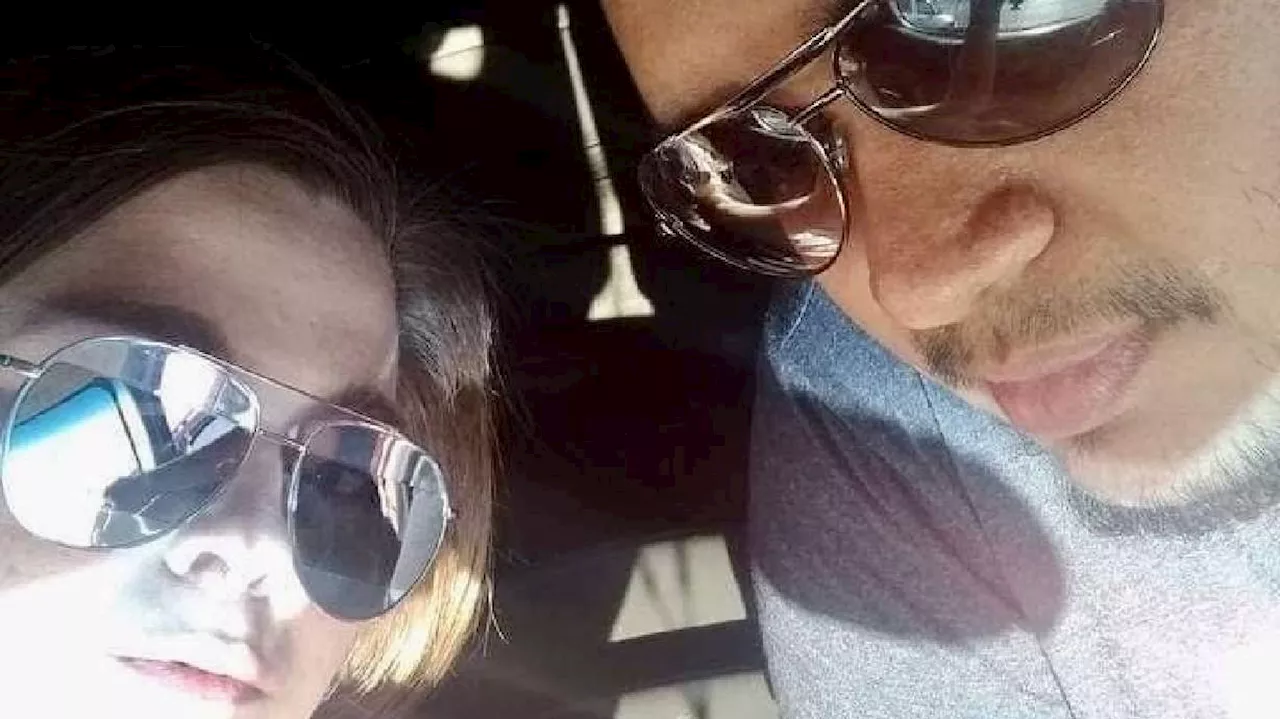
The context for this legislative push is underscored by the recent incidents involving ICE agents. The fatal shooting of Alex Pretti in Minneapolis, marking the third shooting by ICE agents in the city within weeks, has intensified protests and public outcry against the agency’s tactics. Earlier in March, another shooting victim, Renee Nicole Good, also lost her life at the hands of an ICE agent.
As the City Council navigates the complexities of this legislative proposal, it also took time to honor Pretti, Good, and four others who died either as a result of ICE actions or while in custody. This acknowledgment reflects the council’s efforts to address community concerns while considering legislative safeguards.
As the situation develops, the broader implications of the “ICE Out” package may serve to reshape the interaction between local government and federal immigration enforcement in Philadelphia, highlighting a growing movement to protect immigrant rights at the municipal level.