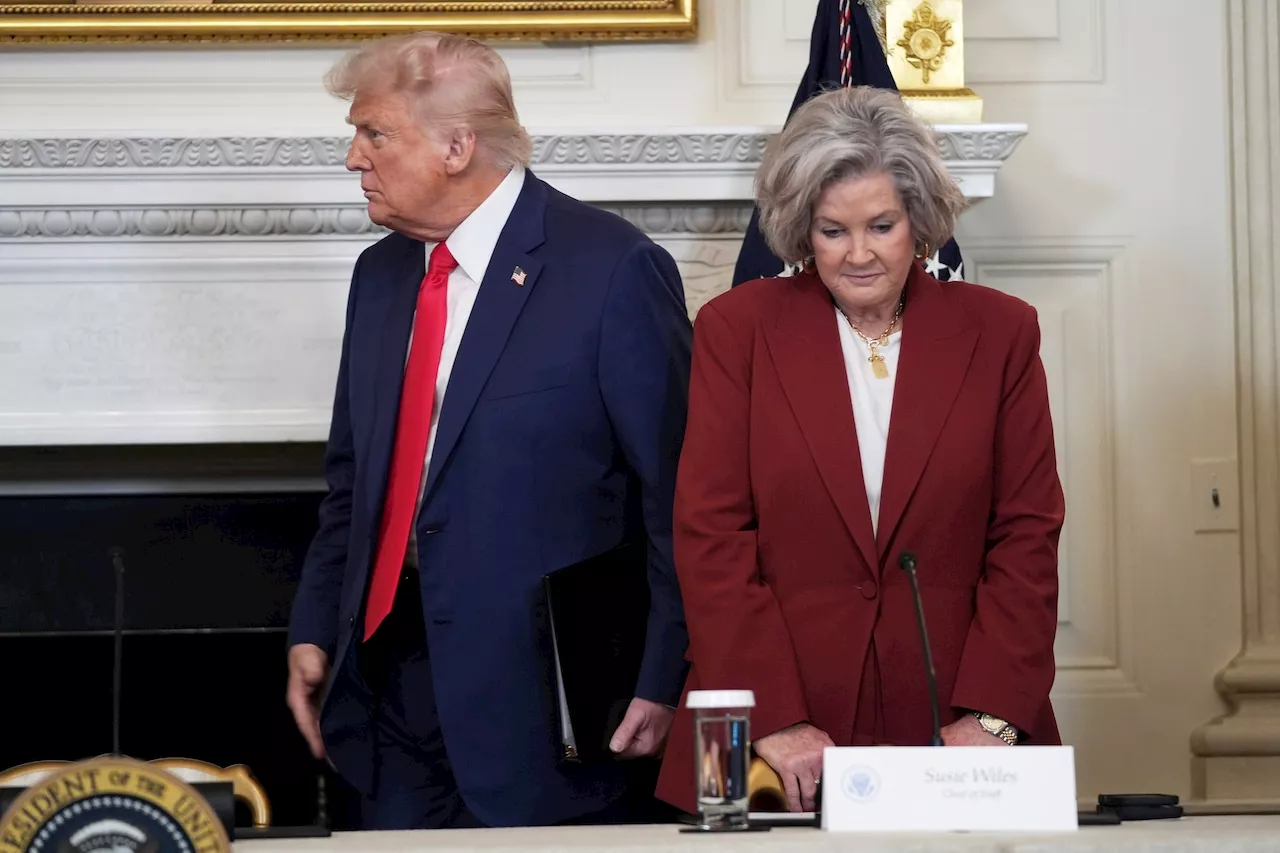
The recent comments by Susie Wiles, the chief of staff to the President, have raised significant concerns regarding the balance between presidential confidence and constitutional limits. In an interview with Vanity Fair, Wiles expressed that her boss governs with a mindset of “there’s nothing he can’t do. Nothing, zero, nothing.” This statement implies a belief in both exceptional personal talent and a potential disregard for legal boundaries.
Concerns Over Authoritarian Impulses
Wiles’ remarks have sparked debate about the implications of such confidence, particularly in light of the President’s past statements suggesting a willingness to operate without restraint. Notably, in a video-taped cabinet meeting in August 2025, the President asserted, “I can do whatever I wanna do. I’m the President.” This declaration indicates a troubling perspective on presidential authority, hinting at a readiness to sidestep constitutional constraints.
Critics argue that the President’s self-perception as a uniquely talented leader is not substantiated by his track record. His administration has struggled to achieve significant diplomatic successes, particularly in the realm of international peace. The President’s approach often appears more focused on personnel changes than on constructive governance, as indicated by his frequent practice of dismissing staff members.
The Role of Public Discourse
The implications of Wiles’ comments extend beyond mere personal confidence; they reflect a broader discourse on the nature of power in American governance. As discussions around executive authority continue, the balance of power between the presidency and other branches of government remains a pivotal topic. The President’s statements and actions have led many to question whether his administration prioritizes adherence to the Constitution.
As the political landscape evolves, the public’s response to both the President’s and Wiles’ comments will likely shape future discussions about the limits of presidential power. The concerns raised by these statements echo a long-standing debate within American politics about the scope and limits of executive authority.
In conclusion, while Susie Wiles may admire her boss’s confidence, the potential consequences of his claims to unfettered power warrant careful scrutiny. The responsibilities of governance require a balance between confidence and accountability, one that must be maintained to uphold democratic principles.