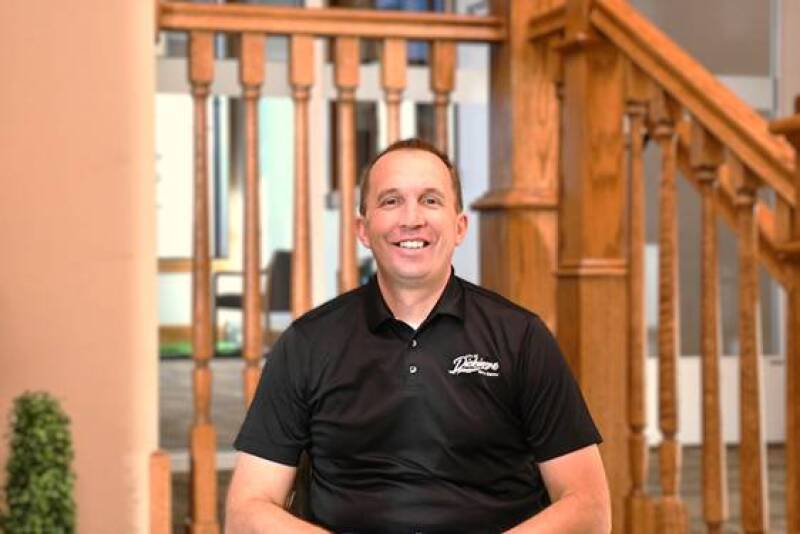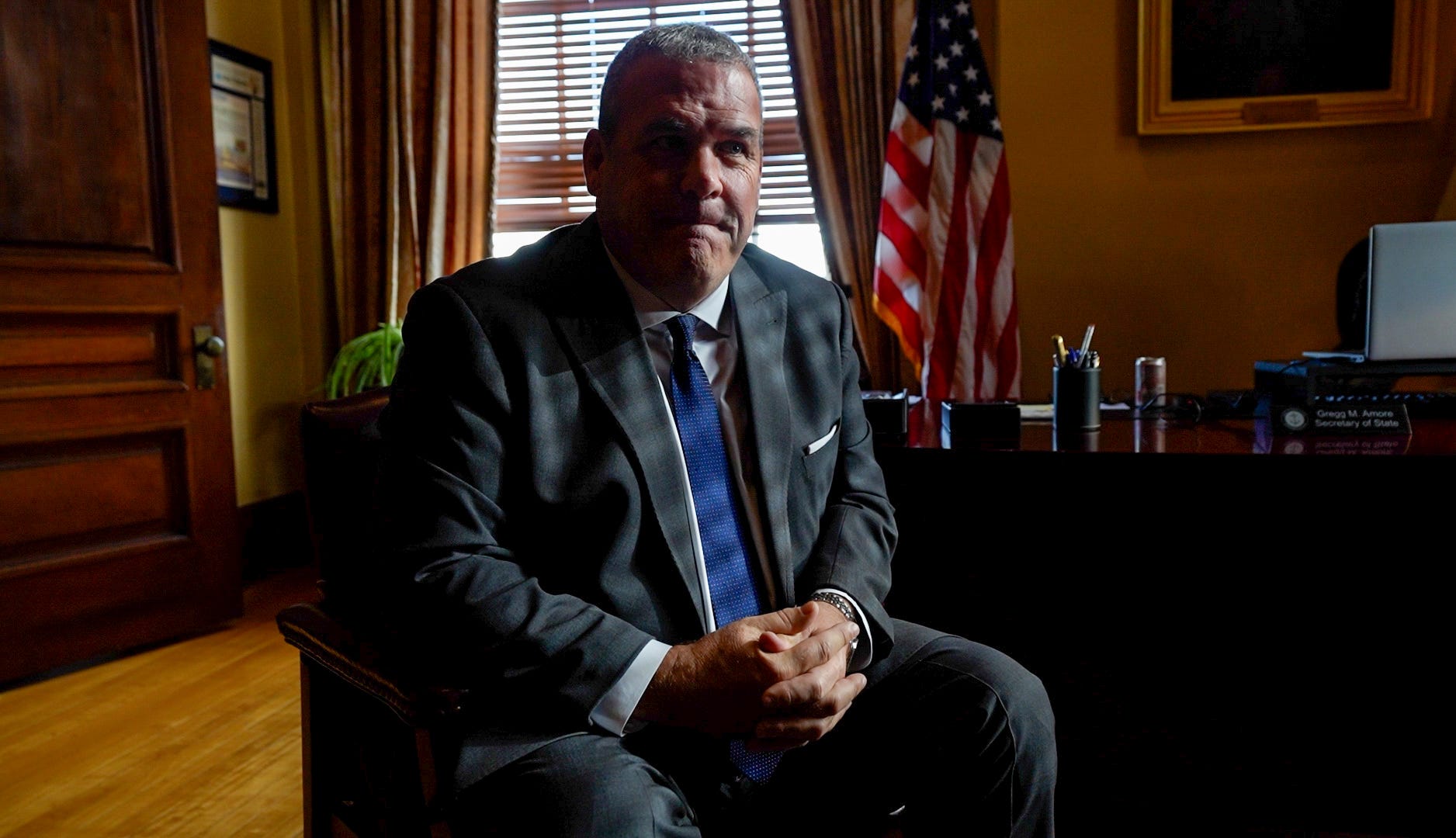
Rhode Island Secretary of State Gregg Amore is set to participate in an online meeting with federal officials on February 25, 2026, focusing on preparations for the upcoming midterm elections. This invitation comes in the wake of heightened concerns regarding election integrity, particularly following remarks by former President Donald Trump advocating for the nationalization of elections. Amore, along with his counterparts from various states, understands the importance of collaboration with federal partners such as the FBI, the Department of Justice (DOJ), and the Department of Homeland Security (DHS).
Amore emphasized that it is common for state officials to engage with federal agencies during election cycles. “These meetings are part of our routine,” he said. Nevertheless, he acknowledged that the current political climate is anything but typical. Unlike some officials who have expressed skepticism about federal involvement, Amore remains optimistic that the forthcoming meeting will yield valuable insights.
In a recent statement, Amore echoed the sentiments of Tobias Read, the Secretary of State for Oregon, who remarked, “I don’t think we can put anything past this administration.” This comment reflects the growing unease among election officials about the potential implications of federal interventions in state-run elections.
The invitation to the meeting was communicated via an email from Kellie M. Hardiman, identified as the “FBI Election Executive.” The email, sent to chief election officials on February 3, noted the goal of the meeting is to discuss preparations for the upcoming election cycle and to provide updates and resources. The call is scheduled to take place from 2 PM to 3 PM EST.
Amore stated that Rob Rock, the Deputy Secretary of State and former head of the election division, will represent Rhode Island during the call. “We have had meetings with all of these entities leading up to elections in the past, so we’re going to listen,” he explained. He also mentioned that if any discussions arise that concern Rhode Island officials, they are prepared to voice their objections or withdraw from the meeting if the dialogue becomes untenable.
State and local election officials have expressed significant apprehension regarding increased federal influence over election processes. Concerns have intensified since Trump signed an executive order in March 2023, which sought to impose stricter voter identification requirements. Many officials argue that under the U.S. Constitution, the authority to manage elections is a responsibility that belongs primarily to state governments.
Amore asserted that the notion of nationalizing elections is unconstitutional. “It doesn’t surprise me that the president is not familiar with the founders’ intent,” he stated, reflecting on the decentralized nature of the American electoral system designed to prevent any single executive from manipulating election outcomes. “It’s dangerous,” he continued, adding that no president should advocate for such measures.
Questions have also arisen regarding the presence of federal agents at polling locations. Amore reiterated that federal law prohibits armed agents from being near polling sites, a regulation supported by over a century of legal precedent.
In addition, Amore voiced concerns about ongoing proposals in Congress that would require proof of citizenship to vote. As a supporter of Rhode Island’s existing Voter ID law, he highlighted that these new requirements could disproportionately impact women voters. “If you have to prove citizenship every time you change your party affiliation or update your address, it creates unnecessary barriers,” he noted.
As election season approaches, Amore and other state officials remain vigilant, preparing to engage with federal authorities while safeguarding their constitutional rights to manage elections independently. The forthcoming call will serve as a critical platform for discussing these pressing issues and ensuring that the electoral process remains fair and accessible for all citizens.