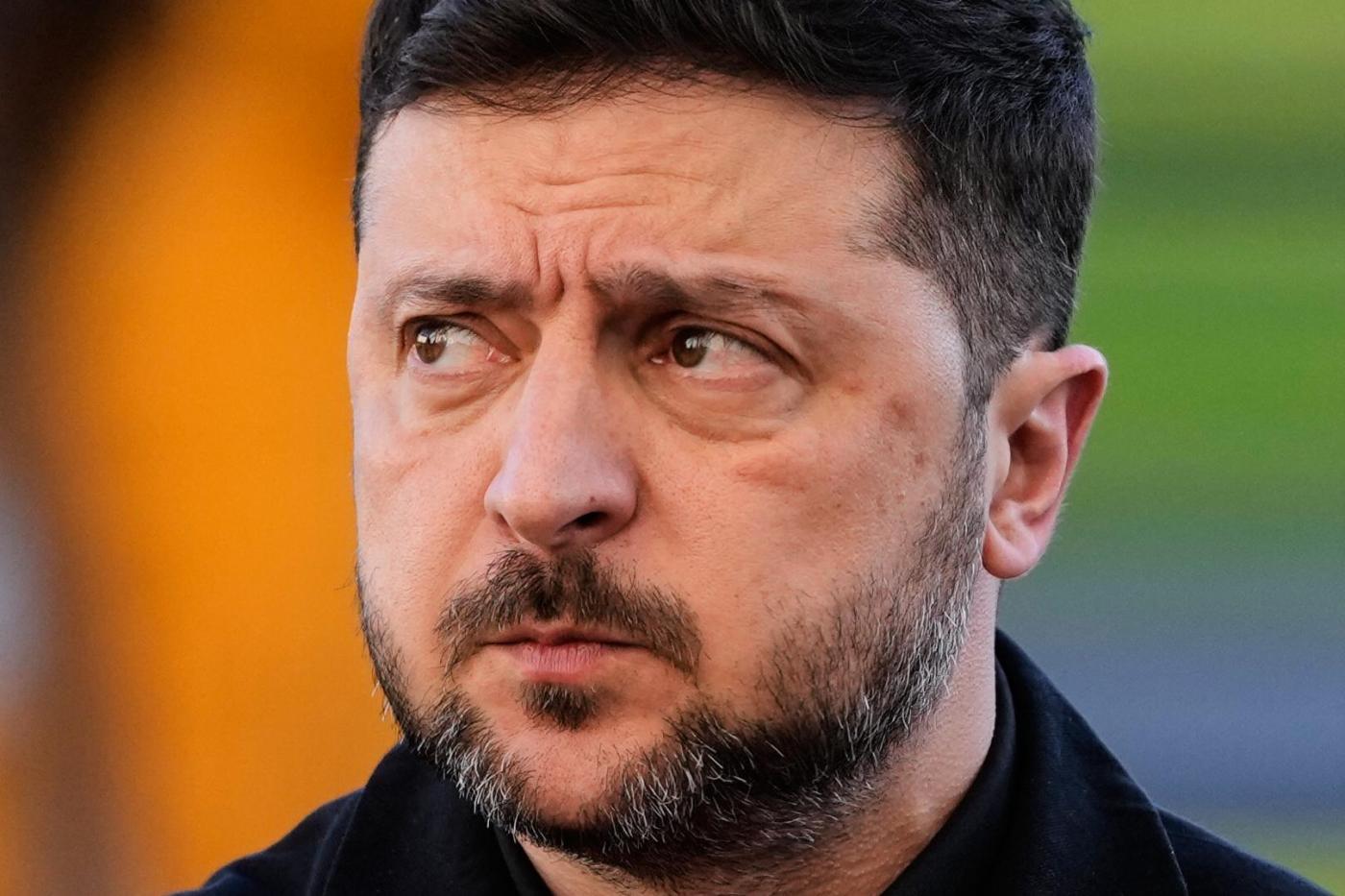
Russia has indicated a willingness to consider Ukraine’s potential membership in the European Union as part of a broader peace agreement aimed at resolving the ongoing conflict, according to U.S. officials. This development was reported following discussions between U.S. envoys and Ukrainian President Volodymyr Zelenskyy in Berlin, where officials from the United Kingdom, France, and Germany also participated.
U.S. officials, who spoke on the condition of anonymity, described the proposal as a significant concession from Moscow. They noted that while Russia has stated it does not oppose Ukraine’s EU aspirations, this latest indication marks a pivotal moment in negotiations. Additionally, the U.S. has committed to providing unspecified security guarantees to Ukraine as part of the proposed deal, although they emphasized that such offers would not remain indefinitely available.
The discussions concluded on December 15, 2025, with Zelenskyy expressing optimism about the progress made. Ukraine’s lead negotiator, Rustem Umerov, highlighted on social media that “real progress” was achieved during the talks, which included meetings with U.S. envoys Steve Witkoff and Jared Kushner. The talks lasted approximately 90 minutes after an earlier five-hour session.
Obstacles to a Peace Settlement
Despite the apparent advancements, significant obstacles remain, particularly concerning control of the eastern Donetsk region, which is largely under Russian occupation. Zelenskyy has indicated a willingness to abandon Ukraine’s NATO membership aspirations if Western nations provide security guarantees akin to those offered to NATO members. However, Ukraine continues to prioritize NATO membership as the most effective safeguard against further Russian aggression.
The U.S. has urged Ukraine to consider the proposed peace deal, but it has faced resistance from Kyiv, which rejects the idea of ceding territory to Russia. President Vladimir Putin has insisted that Ukraine must withdraw its forces from the remaining parts of Donetsk still under its control as a condition for any peace agreement.
Meetings for Zelenskyy on December 15 also included discussions with other European leaders, with French President Emmanuel Macron confirmed to be traveling to Berlin for talks later that day. A spokesperson for German Chancellor Friedrich Merz stressed that security considerations would ultimately determine whether the conflict would reach a resolution or escalate further.
Ongoing Military Activity
While diplomatic efforts continue, military actions persist. Ukrainian forces reported that Russia launched 153 drones overnight from December 14 to December 15, with 133 intercepted. The Russian Defense Ministry countered with claims of having destroyed 130 Ukrainian drones during the same period.
In Moscow, air travel was temporarily halted at Domodedovo and Zhukovsky airports due to safety measures following the drone strikes. Specific details regarding casualties and damage were not immediately available.
As the situation remains fluid, the Kremlin is awaiting updates on the Berlin talks. Kremlin spokesperson Dmitry Peskov remarked that predicting a timeline for a peace agreement is challenging, asserting that President Putin is open to serious negotiations but is not willing to entertain tactics aimed at prolonging discussions.
In London, the head of the UK’s MI6 intelligence agency is expected to address the broader implications of Russia’s actions, highlighting the growing security challenges facing Europe due to Putin’s aggressive policies.
The developments in Berlin signify a critical juncture in the ongoing conflict, with both diplomatic and military fronts shaping the future of Ukraine’s aspirations for EU integration and regional stability.