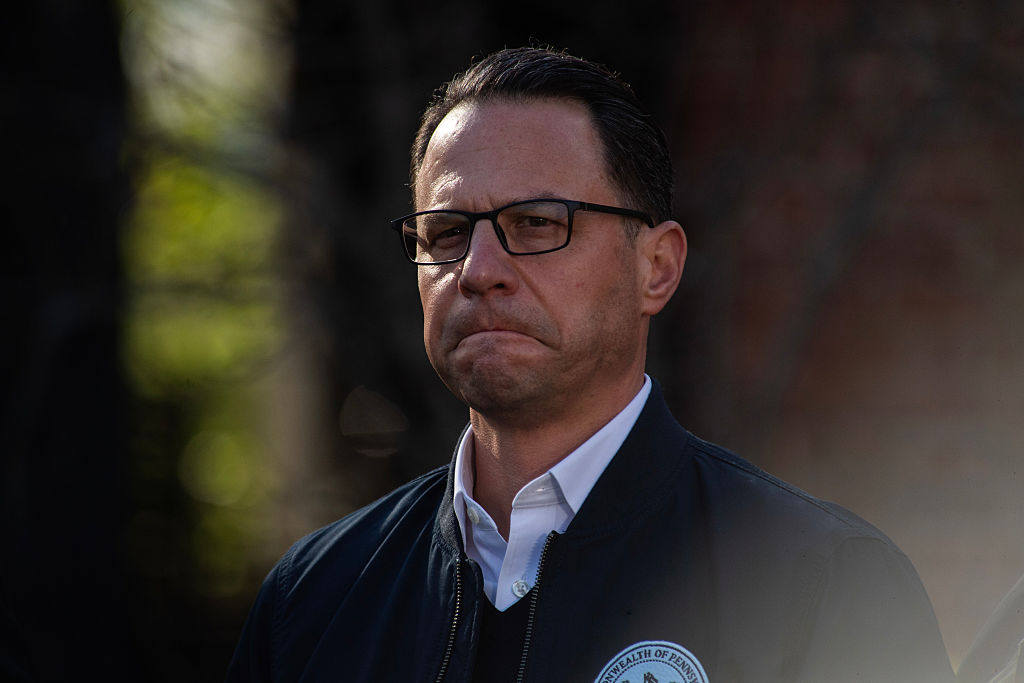
Pennsylvania Governor Josh Shapiro recently recounted a troubling experience during his interview for the vice presidency, where he faced pointed allegations of dual loyalty concerning his support for Israel. His remarks shed light on the complexities of navigating political affiliations and public perceptions in the current U.S. political climate.
During an event in October 2023, Shapiro, a member of the Democratic Party, disclosed that the interview, which took place with a selection committee, took a disconcerting turn. He described how some committee members suggested that his commitment to Israel could imply a conflict of loyalty to the United States. This assertion reflects a broader discourse about the political implications of support for Israel among American politicians.
Shapiro’s comments have sparked a significant reaction from various political spheres, raising concerns about the implications of such accusations. He emphasized that his support for Israel is rooted in shared values, democracy, and human rights, asserting that his allegiance lies firmly with the United States.
Political Implications of Allegations
The notion of dual loyalty has long been a point of contention in U.S. politics, particularly regarding Jewish politicians and their support for Israel. Shapiro’s experience underscores the challenges faced by politicians who advocate for strong U.S.-Israel relations while navigating potential backlash from constituents and political adversaries.
The governor’s remarks arrive at a time when discussions around foreign policy and national identity are increasingly polarized. With ongoing debates about U.S. involvement in international conflicts, Shapiro’s revelations resonate particularly with those concerned about the intersection of global politics and domestic loyalty.
In his statement, Shapiro did not name specific individuals involved in the interview process but indicated that the discussions were indicative of a broader atmosphere of suspicion that he believes should be addressed. He called for a more nuanced understanding of political affiliations that transcends simplistic labels.
Responses from the Political Community
The political community has reacted with a mix of support and criticism. Advocates for Jewish representation in politics have rallied behind Shapiro, affirming that such allegations are damaging and have no place in political discourse. Conversely, critics argue that questions of loyalty should be open to scrutiny, particularly when it involves U.S. foreign policy.
In addressing the controversy, Shapiro reiterated his commitment to serve both Pennsylvania and the United States, and he condemned the insinuations as detrimental to the democratic process. His experience serves as a reminder of the complexities surrounding issues of identity and loyalty in contemporary political discussions.
As this conversation unfolds, it remains essential to monitor how such dynamics influence future political appointments and the broader public perception of leaders who advocate for international alliances. Shapiro’s revelations may not only affect his political career but could also signify a pivotal moment in the ongoing dialogue about loyalty and representation in American politics.