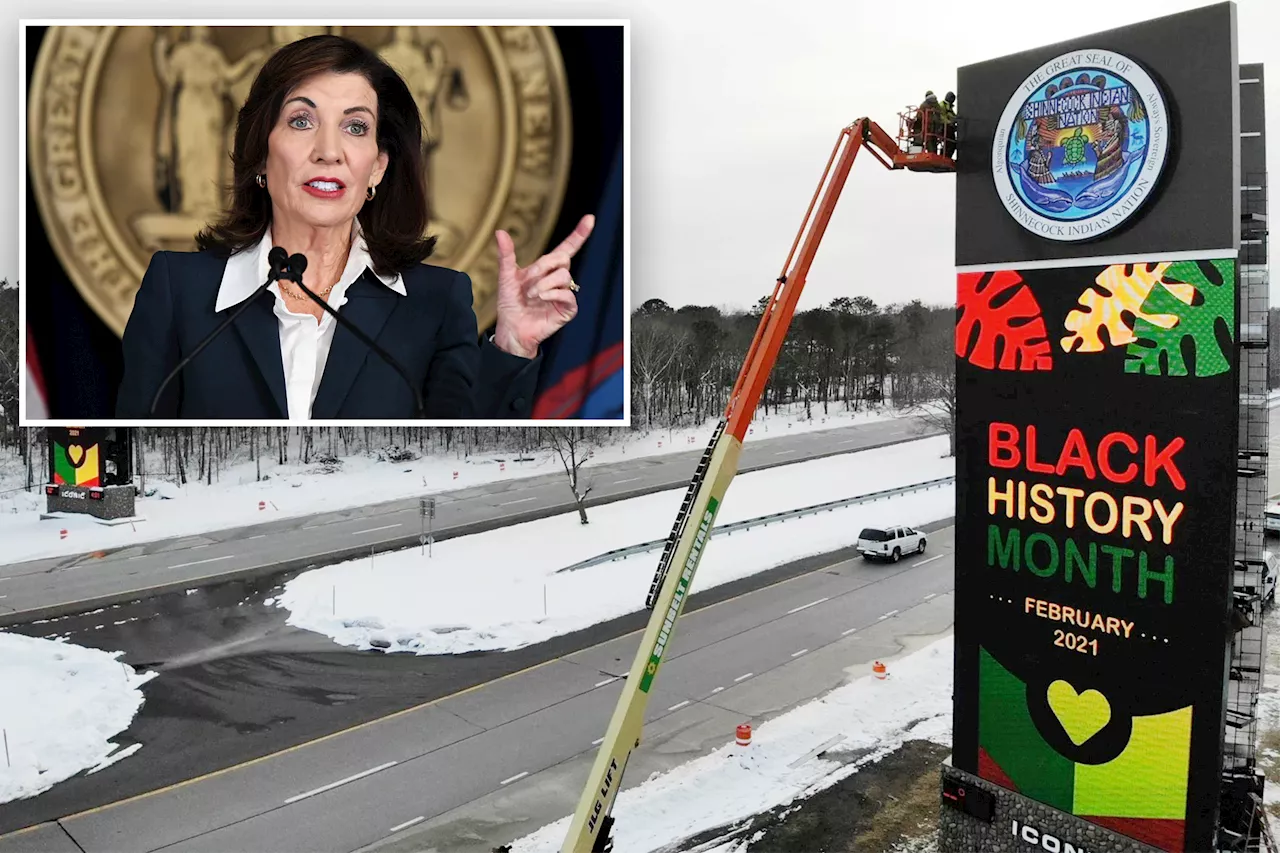
The Shinnecock Indian Nation has filed a lawsuit against New York State, asserting that a section of Sunrise Highway was constructed illegally on their sovereign territory in Hampton Bays. The tribe argues that the state failed to obtain necessary federal approval for the construction and operation of Route 27, which traverses their protected Westwoods land. The lawsuit seeks both compensation and a formal acknowledgment of the alleged infringement on tribal rights.
According to the tribe, the construction of the highway, which has been a crucial transport route for years, violates their sovereignty and environmental protections afforded to their land. The Shinnecock Nation contends that the state must adhere to regulations that require federal oversight when developments occur on tribal land. This legal action emphasizes the ongoing tensions between state authorities and indigenous rights, particularly concerning land use and environmental stewardship.
The lawsuit highlights a growing concern among indigenous communities regarding the preservation of their lands and the need for compliance with federal regulations. The Shinnecock Indian Nation, recognized federally, emphasizes that their rights as a tribe must be respected in all matters involving their ancestral territory. The tribe claims that the state has disregarded these rights, leading to significant and lasting harm to their land and cultural heritage.
In a statement, the tribe expressed their determination to protect their land, saying, “We have a responsibility to safeguard our territory for future generations.” This sentiment reflects a broader movement among indigenous groups advocating for their rights and the recognition of their sovereignty in legal and political arenas.
As the lawsuit unfolds, it may set a precedent for similar cases involving indigenous land rights across the United States. The Shinnecock Indian Nation hopes to bring attention to the importance of federal oversight in matters affecting tribal lands, which they believe is essential for preserving their identity and ensuring the protection of their environment.
The outcome of this legal challenge remains uncertain, but it underscores the complexities of land rights issues in the context of modern infrastructure development. The case serves as a reminder of the ongoing struggle for recognition and respect for indigenous rights, particularly in an era where development often conflicts with preservation efforts.
With this legal action, the Shinnecock Indian Nation aims not only for compensation but also for a reaffirmation of their sovereignty and the need for greater accountability from state authorities regarding decisions that affect their land and communities.