A growing aversion to alcohol is reshaping the global party scene, particularly through innovative sober rave events. One such event, the Coffee Rave organized by the **Seoul Morning Coffee Club**, has gained traction since its launch in May 2023.
On a Saturday morning this October, **Park Jihyun**, 29, exemplified this new trend by waking at 5:30 a.m. to prepare for a rave in **Seoul**. Her routine was anything but typical. Instead of dressing in a miniskirt and heels, she opted for running tights and shoes. Instead of a taxi, she jogged five miles to the venue in **Yongsan-gu**. “It’s just random people who meet for the first time. But as we start dancing together, it becomes crazier as time flies,” she shared.
By 7 a.m., attendees began arriving, paying **20,000 won** (approximately **$14**) for entry. They lined up for drinks, typically an iced Americano or matcha, and by 8 a.m., the DJ was spinning bass-heavy tracks for a lively crowd dancing together in daylight, fueled solely by caffeine.
Park Jae-hyun, the founder of the Seoul Morning Coffee Club, emphasized the refreshing nature of these events. “Even though it’s very early in the morning, everyone looks excited and happy, even without alcohol,” he told CNN. While sober raves are not a new concept—organizations like **Daybreaker** and **Morning Gloryville** have hosted similar events for over a decade—the focus has shifted recently towards community-centered venues like coffee shops and bakeries in major cities worldwide.
Global Movement Finds Roots in Community Spaces
The movement has expanded from cities such as **Brisbane**, **Mumbai**, **Paris**, and **Toronto**, gaining popularity among younger generations, particularly **Gen Z** and younger Millennials, who are prioritizing health and wellness over traditional nightlife.
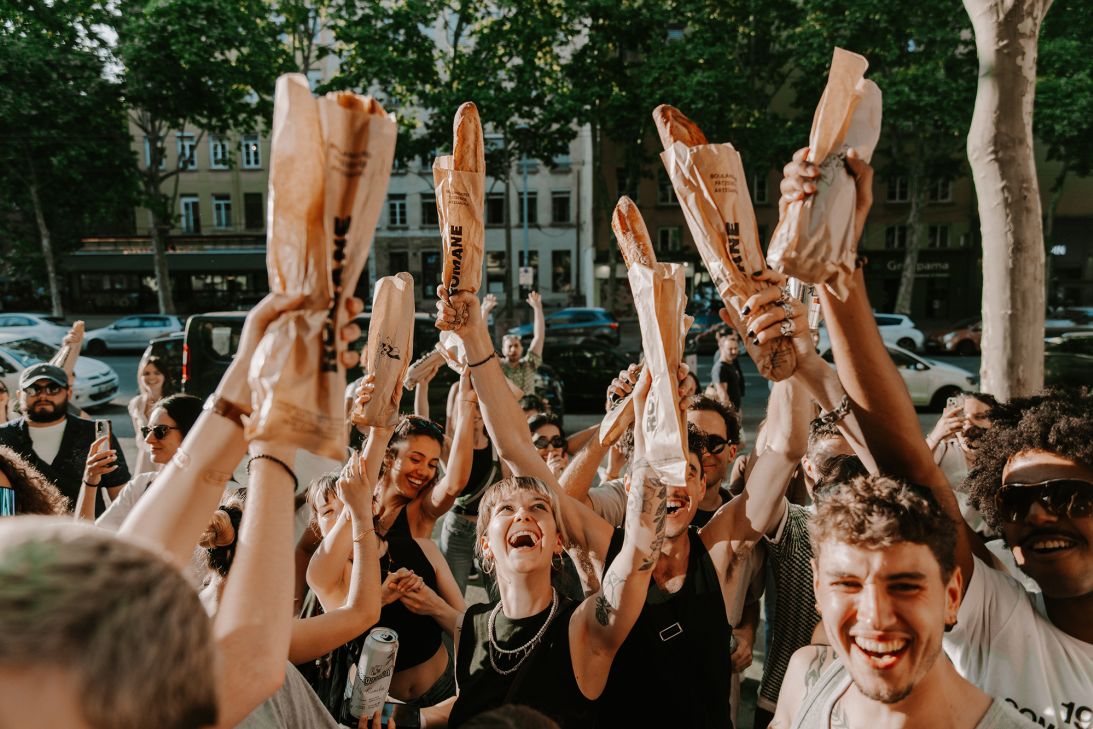
One of the pioneers of the sober rave concept in France is **Alexis Duvivier**, known as **Aazar**. He began hosting bakery raves in **Paris** in 2019, merging his love for music and French boulangeries. “It was such a big part of my culture in my everyday life here in France,” Duvivier explained. His first event at **The French Bastards**, a bakery known for its innovative menu, featured free pastries alongside live music, creating a unique atmosphere. Clips of popular DJs like **Bob Sinclair** and **Peggy Gou** at these events have since gone viral, solidifying the bakery rave as a fashionable trend in France.
Duvivier did not initially intend for his concept to become a social media sensation. “I didn’t choose a bakery because I was looking for an unusual location, but because for me it represents France and represents what I love,” he noted.
Addressing Mental Health and Community Needs
The rise of sober raves reflects a broader societal shift towards mental health awareness, particularly in countries like South Korea, where **Park Jae-hyun** highlighted the intense competition and mental illness prevalent in society. South Korea has the highest suicide rate among countries tracked by the **Organisation for Economic Co-operation and Development (OECD)**, with **23 suicides per 100,000 people** in 2023.
Younger generations in South Korea are increasingly rejecting the demanding work culture, opting instead for events that foster community and well-being. The Seoul Morning Coffee Club organizes not only raves but also morning runs, book clubs, and coffee chats to create a supportive environment.
Park Jihyun emphasized the liberating nature of the coffee rave, stating, “The coffee rave lets you be yourself and helps introverts and those who are self-conscious grow out of their shell.” This approach resonates with many in a city known for its vibrant nightlife but also for its pressure-filled social dynamics.
In London, DJs **Manpal Bhullar** and **Vishal Kamle** have similarly introduced daytime raves at coffee shops. Kamle noted, “I’m at that age where I don’t want to be out until the early morning, drinking and clubbing.” The founders of **Coffee Gen** aim to cater to a demographic that feels disillusioned by the commercialization and rising costs of traditional nightlife.
A consumer report from the **Night Time Industries Association UK** revealed that **61%** of young respondents reported going out less frequently due to financial pressures and safety concerns. The report also warned that **40%** of the UK’s nightlife businesses could face closures without government intervention.
In **Toronto**, Matthew Campoli, co-founder of **The Coffee Party**, remarked that the rise of sober raves fills a void in the nightlife scene that has been exacerbated by the pandemic. “There’s a need for genuine connection again,” he observed.
Franklin Vaz, 33, discovered the coffee rave environment aligned with his own lifestyle changes after quitting alcohol. He attended a Coffee Party event and found not just a community but also a romantic connection with a fellow attendee. Their shared interests in health and fitness led to an instant bond, culminating in a memorable first date where they ran a half marathon together.
“I think the events are very motivating,” Vaz said. “The people there want to be the best versions of themselves. So it’s pushed me to be the best version of myself too.”
As sober raves continue to gain momentum, they offer a fresh perspective on socializing, fostering community and well-being in a world increasingly focused on health and connection.