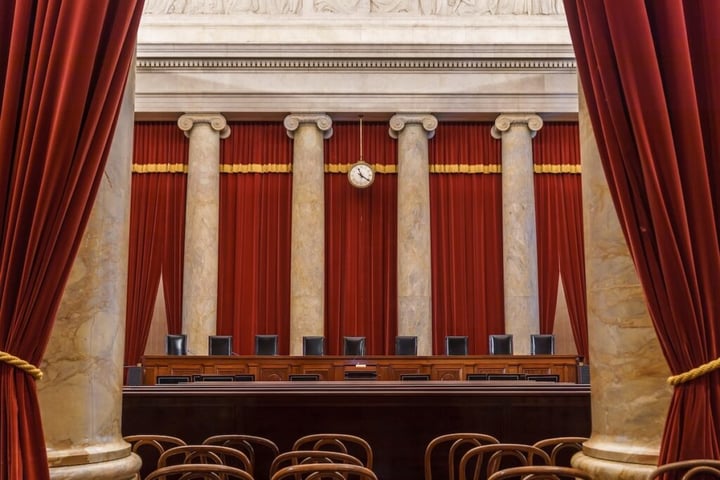
The U.S. Supreme Court is currently deliberating whether federal law can prohibit regular marijuana users from possessing firearms, potentially reshaping the interpretation of the Second Amendment. During hearings on October 30, 2023, the justices examined the case of Ali Hemani, a Texas resident charged after federal agents discovered a Glock handgun and marijuana during a 2022 raid on his home. The charge against him, brought under the Gun Control Act of 1968, asserts that individuals deemed as “unlawful users” of controlled substances should be barred from firearm ownership.
The case has sparked significant debate, as lower courts dismissed the charge, asserting it violated Hemani’s constitutional right to bear arms. The government argues that this restriction reflects historical laws that disarmed individuals considered dangerous, including those with a history of alcohol abuse.
Justice Neil Gorsuch described the case as “odd,” particularly in light of ongoing discussions about the potential reclassification of marijuana at the federal level. He raised a critical question regarding whether a person who consumes a marijuana-infused “gummy bear” nightly for sleep could lose their right to bear arms. Government counsel responded affirmatively, suggesting such an individual could indeed fall under the law’s purview.
Justice Amy Coney Barrett further probed the rationale behind the law, asking what evidence supports the notion that marijuana use inherently poses a danger. In contrast, Justice Ketanji Brown Jackson criticized the application of a historical test that could yield “arbitrary” results.
Hemani’s legal team contends that historical precedents primarily targeted intoxication rather than habitual substance use. They argue that the distinction is crucial in evaluating the legality of the charge against him. The case illustrates the complexities of navigating evolving societal views on marijuana use and gun ownership.
The National Rifle Association has filed a brief supporting Hemani, asserting that the government has not proven that marijuana users are inherently dangerous. This stance highlights the ongoing tension between gun rights advocates and federal regulations concerning substance use.
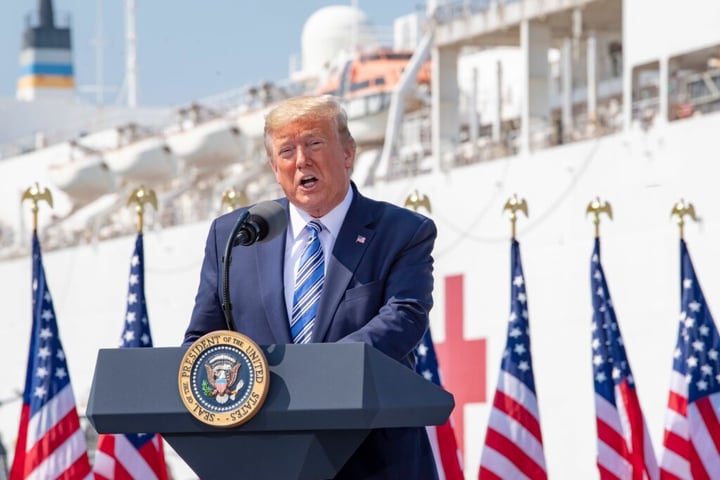
In a related context, tensions surrounding gun policy have been heightened by recent events. Earlier this year, former President Donald Trump criticized the fatal shooting of Alex Pretti, a licensed gun owner involved in a federal operation. Trump deemed the incident “very unfortunate,” prompting backlash from gun rights groups, including the NRA and Gun Owners of America, which defended Pretti’s right to carry a firearm.
This dispute reflects broader divisions within conservative circles and has attracted scrutiny from both allies and gun control advocates. In 2022, the Trump administration rolled back restrictions on civilian firearms exports that had been implemented during the Biden administration. This move restored broader export regulations and eased licensing requirements for certain shipments to U.S. allies, with officials claiming that safeguards remain in place to prevent weapons from reaching criminal entities.
The Supreme Court’s decision in Hemani’s case could have profound implications for the intersection of marijuana use, gun rights, and federal law, as the justices navigate the historical context and contemporary realities of both issues.