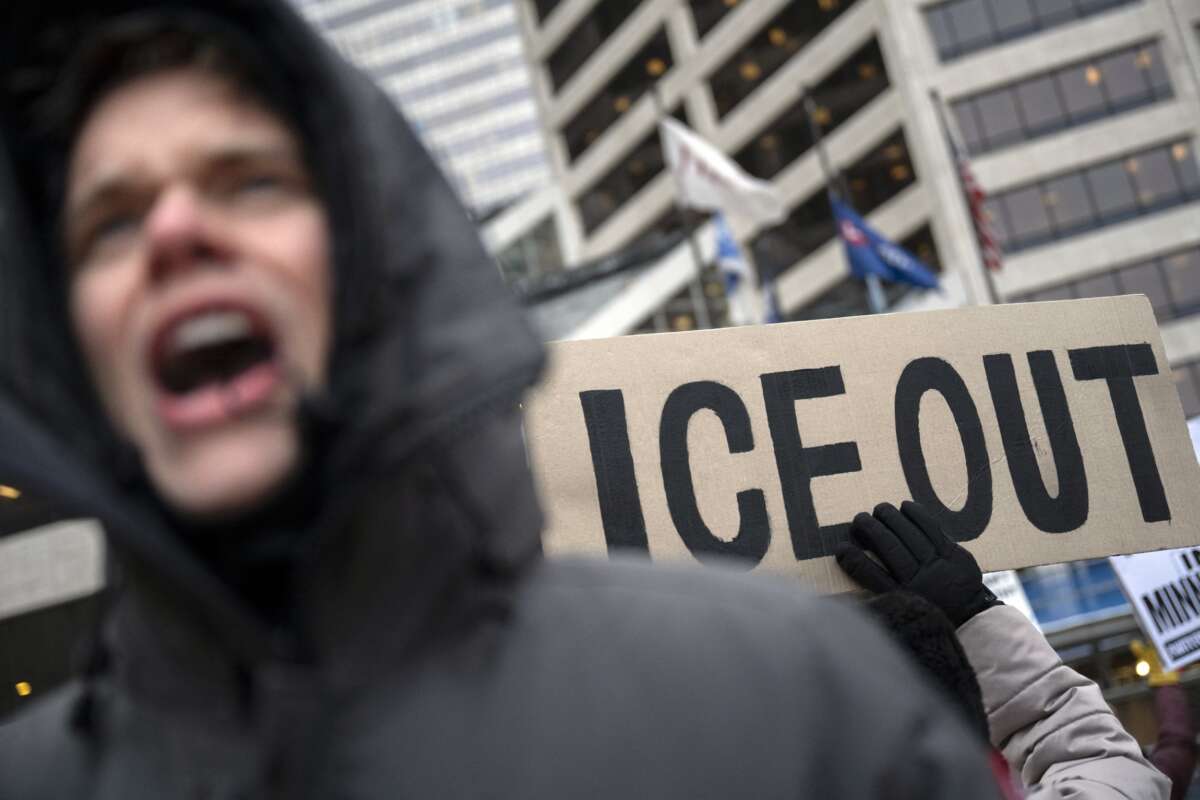
Thousands of demonstrators, along with numerous nonprofits, unions, and businesses, are set to participate in a general strike in Minnesota on January 23, 2026. This action aims to demand the departure of Immigration and Customs Enforcement (ICE) agents from the state, which many residents claim have caused significant distress in the Twin Cities. Organizers of the “ICE Out of Minnesota” strike are urging individuals to refrain from attending work or school and to avoid shopping or other economic activities.
The initiative is a response to what organizers describe as ICE’s detrimental impact on local communities. The official website, ICEOutNowMN.com, emphasizes the need for a suspension of normal business operations to demand “immediate cessation of ICE actions in Minnesota,” accountability for federal agents, and congressional intervention. The day will also include a peaceful march in downtown Minneapolis, highlighting community solidarity and activism.
Four key demands have been articulated by the protesters:
1. Immediate withdrawal of ICE and other immigration agencies from Minnesota.
2. Legal accountability for the officer involved in the shooting death of local resident Renee Nicole Good.
3. Cessation of federal funding for ICE and an investigation into alleged human rights violations.
4. A call for Minnesota-based companies to commit to becoming “Fourth Amendment businesses” by severing economic ties with ICE and prohibiting their entry onto business premises.
The march in downtown Minneapolis is scheduled for 14:00 local time, followed by a rally at the Target Center at 15:00. These events will unfold despite predicted wind chill temperatures nearing -20 degrees Fahrenheit, a factor that organizers acknowledge.
“We will show up in the cold, but we ask participants to be aware of their surroundings and the stories of solidarity that will emerge,” stated Chelsie Glaubitz Gabiou, president of the Minnesota Regional Labor Federation, AFL-CIO. Fellow organizer Emilia González Avalos from UNIDOS Minnesota echoed this sentiment, calling for participants to take part in the boycott and undergo training as legal observers.
The strike is poised to be Minnesota’s first general strike in almost a century, and it reflects a broader movement against perceived federal overreach and violence towards immigrant communities. Kieran Knutson, president of the Communication Workers of America Local 7250, emphasized the importance of labor power in this context, stating, “We may not have wealth or direct access to power, but we have our labor, and we will use it to express our opposition to these policies.”
Numerous accounts of ICE’s controversial actions have surfaced in Minnesota, including incidents involving unwarranted home invasions and the use of children as bait for arrests. These cases have galvanized public sentiment against the agency and its practices.
Close to 700 businesses in Minnesota have pledged to close their doors in solidarity with the strike. Businesses that remain operational have committed to donating their profits to immigrant rights organizations or serving as venues for organizing further actions.
Similar demonstrations are occurring across the United States, showcasing a united front against the Trump administration’s immigration policies. Gemima Cadet, a community mental health professional and immigrant rights activist from Florida, commended Minnesotans for their efforts, stating, “It’s horrifying to witness the treatment of families and individuals by ICE, and this strike represents a commitment to defending our dignity and rights.”
The situation in Minnesota has drawn international scrutiny, with Volker Türk, the United Nations Human Rights Chief, condemning the U.S. administration’s actions. Türk noted that individuals are often surveilled and detained in various public and private spaces, which instills fear in communities. He called for an end to such practices, reinforcing the obligation of the U.S. to adhere to international human rights laws.
As the strike approaches, it is clear that the participants are prepared to make a significant stand against what they view as oppressive actions by federal authorities, signaling a growing movement advocating for immigrant rights and accountability.