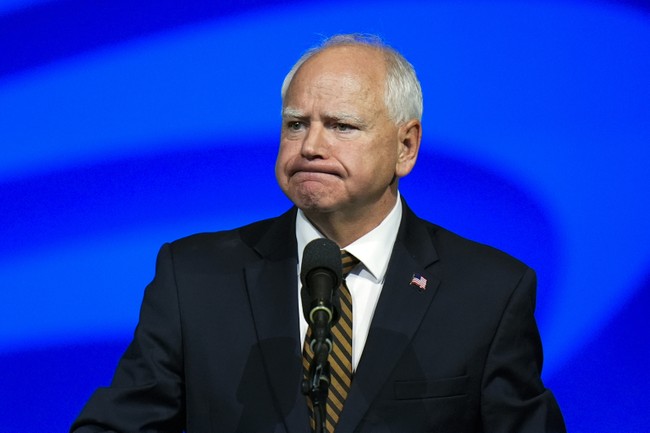
Minnesota Governor Tim Walz made headlines in 2022 with his statements regarding the state’s refugee population, particularly Somali refugees. He described them as the “economic and cultural future” of Minnesota, a sentiment he expressed during a public address. His comments have recently resurfaced, igniting discussion about their implications for the state’s cultural landscape and economic strategy.
In a video from 2022, Walz asserted, “We have more refugees per capita than any other state. That’s not just morally a good thing; it’s our economic and cultural future.” This statement has drawn mixed reactions, with supporters praising the diversity it brings, while critics argue that it risks diluting the existing cultural fabric of the state.
Critics of Walz point to the challenges posed by a high number of languages spoken within the education system. The governor mentioned that schools in Minnesota feature up to 50 languages, which some argue complicates communication and integration among students. Detractors suggest such diversity could lead to a “Tower of Babel” scenario, where effective communication becomes difficult.
The governor’s focus on refugee resettlement has also led to concerns about potential economic implications. Critics assert that an influx of refugees could lead to increased strain on public resources and services. Some have speculated about the possibility of economic mismanagement, raising questions about Walz‘s qualifications and experience to govern effectively. Notably, during the 2020 presidential election, it was revealed that he does not own property or stocks, prompting further scrutiny of his economic policies.
While supporters of Walz argue that welcoming refugees fosters innovation and economic growth, opponents contend that prioritizing refugee settlement could detract from addressing the needs of existing residents. The debate touches on broader themes of immigration, cultural integration, and economic stability.
As discussions continue, Walz remains a polarizing figure in Minnesota politics. His statements have led some to label him as incompetent or even corrupt, with critics alleging that his policies may benefit certain political agendas rather than the populace at large.
In light of ongoing concerns about transparency and governance, the future of Minnesota’s refugee policy and its impact on the state’s economy and culture remains uncertain. The situation invites ongoing analysis and debate regarding how best to balance humanitarian efforts with the needs of all residents.
As the discourse evolves, it highlights the complexities surrounding immigration and the vital discussions that need to take place about the direction Minnesota, and indeed the United States, chooses to take regarding its refugee policies.