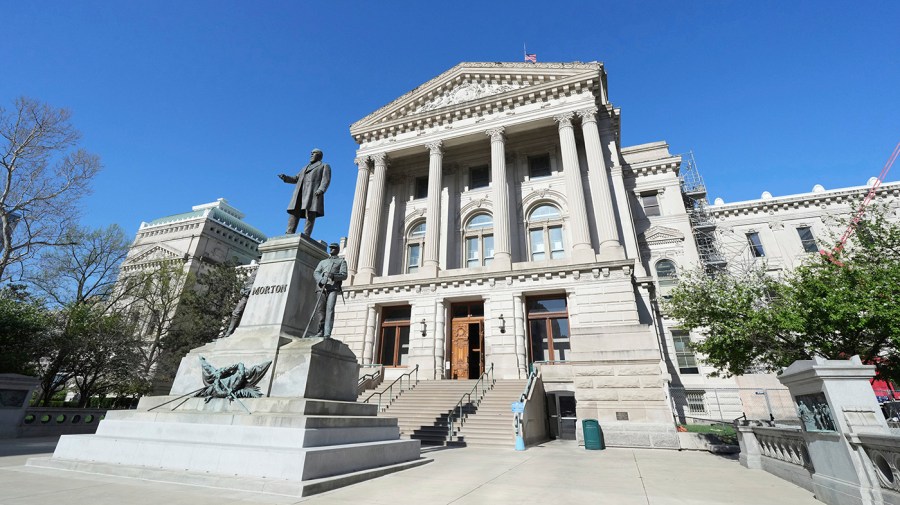
A trial is scheduled for January 19, 2027, concerning the First Amendment rights of suspended University of Tennessee assistant professor Tamar Shirinian. The case arises from a controversial remark she made on Facebook regarding the assassination of conservative activist Charlie Kirk. This legal dispute will take place in the U.S. District Court for the Eastern District of Tennessee in Knoxville and is anticipated to last approximately five days.
Following her comment, Shirinian was placed on administrative leave with the university moving towards termination. The university stated that any comments endorsing violence, particularly in reference to campus shootings, contradict its core values. Although she issued an apology, calling her own remark insensitive and denying any intent to promote violence, her future employment at the university remains uncertain.
Shirinian’s legal challenges intensified when Judge Katherine Crytzer denied her request for a restraining order that would have allowed her to return to her teaching position immediately. This ruling adds complexity to the ongoing discussions surrounding free speech within academic environments. A successful outcome for Shirinian could potentially clarify the protections offered to public employees regarding their private expressions under the First Amendment.
The controversy surrounding the case has attracted significant attention from conservative media and prominent figures, including Senator Marsha Blackburn (R-Tenn.), who has openly called for Shirinian’s termination. In a statement to Scripps News, Shirinian noted, “She was calling for my termination, promising in her newsletter that she would do everything she could to make sure that I am terminated and I do not return to education in the state of Tennessee.”
Shirinian’s attorney, Robb Bigelow, argues that her right to express herself privately is protected by the First Amendment, a defense that has been challenged by the university’s claims of gross misconduct.
As the trial approaches, the case is likely to provoke further debate on the limits of academic free speech and the responsibilities of public institutions in regulating faculty discourse. The decision reached in 2027 will not only impact Shirinian’s career but may also influence how personal expression is governed in the digital age, potentially setting precedents for similar cases in the future.