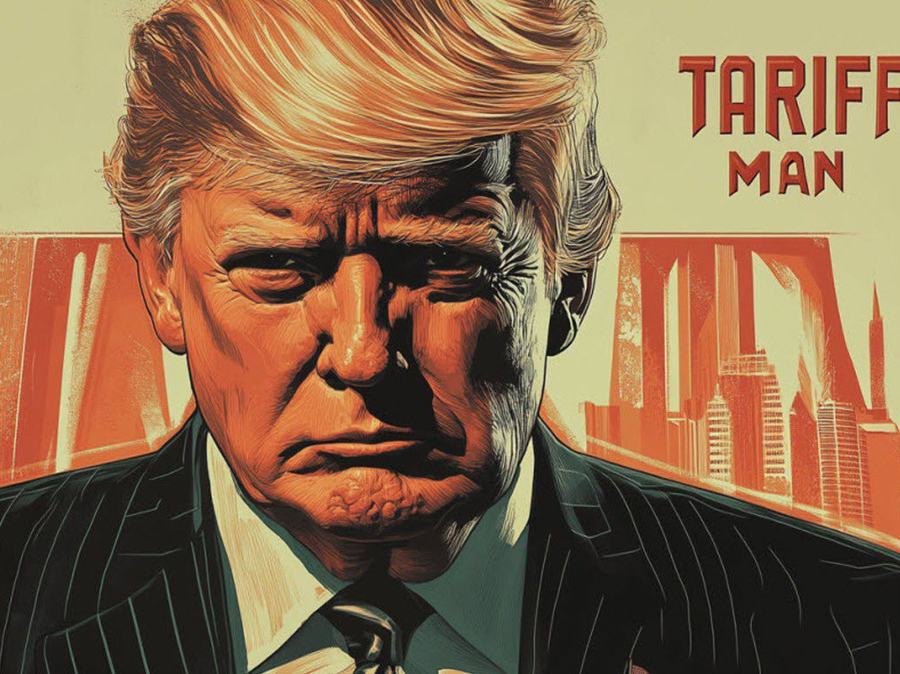
Donald Trump announced that the presence of US warships surrounding Venezuela will continue to expand until the South American nation returns oil, land, and other assets claimed by the United States. This statement has raised concerns about escalating tensions in the region and the potential for military confrontation.
During a recent press briefing, Trump emphasized that the naval armada would not diminish until Venezuela complies with US demands. He articulated a firm stance, asserting that the Venezuelan government must relinquish what he described as “stolen” resources. The former president’s comments reflect a broader strategy aimed at exerting pressure on the Venezuelan administration, led by President Nicolás Maduro.
Military Presence and Economic Implications
The US naval presence has been a point of contention, as military exercises and patrols in the Caribbean Sea have intensified. Observers note that this deployment aligns with the US government’s ongoing efforts to influence Venezuela’s political landscape, especially in light of its economic struggles. Venezuela, once one of the world’s largest oil producers, has seen its economy decline significantly over the past decade, with hyperinflation and widespread shortages of basic goods.
Trump’s remarks come amid heightened scrutiny of the Venezuelan government’s handling of its resources. The US has long accused Maduro’s administration of mismanagement and corruption. With oil prices fluctuating globally, the return of Venezuelan oil to the market could have substantial implications for both the US and international energy markets.
Reactions and Future Considerations
The response from the Venezuelan government has been swift. Officials have condemned Trump’s statements, labeling them as aggressive and unfounded. They assert that the country will not yield to external pressures. Venezuelan Foreign Minister Carlos Faría stated that the nation remains committed to defending its sovereignty against foreign intervention.
As the situation develops, analysts are closely monitoring the potential consequences of Trump’s military assertions. The US Navy’s continued buildup in the region could lead to further diplomatic tensions, not only between the US and Venezuela but also with other nations that may view this as an infringement on regional autonomy.
The international community is watching closely, as well. Organizations such as the United Nations have urged for dialogue and peaceful resolution to disputes. The ongoing military presence may complicate these diplomatic efforts, raising concerns about the risk of miscalculation or conflict in an already volatile area.
In summary, Trump’s declaration regarding the US naval presence around Venezuela marks a significant escalation in rhetoric and military posturing. As the US continues to assert its demands for the return of assets, the implications for regional stability and international relations remain uncertain. With tensions high, the world awaits developments in this complex geopolitical landscape.