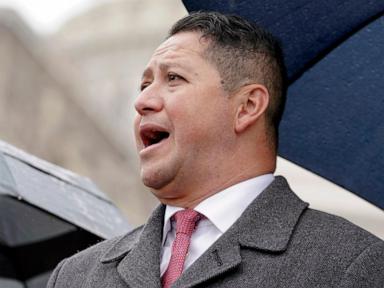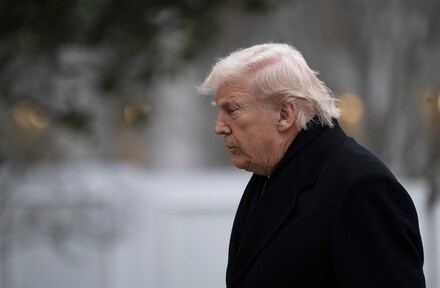
President Donald Trump has directed federal agencies to expedite the easing of restrictions on marijuana and enhance the availability of cannabidiol (CBD). This initiative, announced on March 14, 2024, signifies a notable shift in the U.S. government’s approach to substances that have become increasingly accepted in society.
The order aims to streamline processes for medical marijuana programs and improve access to CBD products, which are often touted for their potential health benefits. This move reflects a growing recognition of the therapeutic properties of these substances, particularly as more states legalize their use for medicinal and recreational purposes.
Shifting Attitudes Towards Cannabis
The announcement aligns with a broader trend in public perception regarding marijuana and CBD. Once considered taboo, these substances are now seen by many as viable options for pain relief and other medical applications. According to surveys, a significant portion of the American population supports the legalization of marijuana, contributing to the increasing normalization of cannabis use.
The new directive calls for federal agencies, including the Department of Health and Human Services, to assess current regulations and identify barriers to access. This initiative could lead to more comprehensive research on the health benefits of marijuana and CBD, as well as streamlined processes for patients seeking these treatments.
Impact on Health and Economy
Experts suggest that easing restrictions could have a dual benefit: improving public health outcomes and stimulating economic growth. The cannabis industry has already demonstrated significant economic potential, with revenue in the United States exceeding $25 billion in 2023. By expanding access to marijuana and CBD, the government could further enhance this burgeoning sector.
Public health advocates have welcomed the move, highlighting the potential for increased access to effective treatments for conditions such as chronic pain, anxiety, and epilepsy. As research continues to evolve, the medical community may find new applications for these substances, thereby improving quality of life for many individuals.
While the order does not legalize marijuana at the federal level, it marks a pivotal step towards reducing restrictions and fostering a more open discussion about cannabis. The decision signals a willingness to reconsider outdated policies in light of evolving scientific evidence and changing societal attitudes.
In conclusion, Donald Trump’s directive to federal agencies represents a significant shift in the U.S. government’s stance on marijuana and CBD. As regulations are assessed and potentially reformed, the implications for public health and the economy could be profound, reflecting a new era of acceptance for these previously marginalized substances.