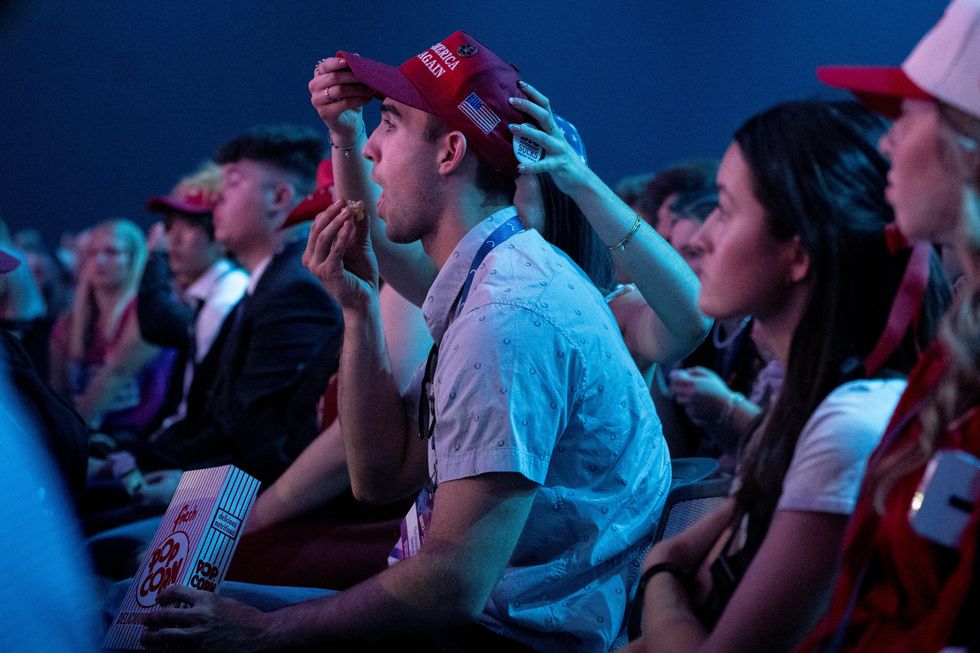
Recent events reveal significant fractures within the MAGA movement as key figures, including Ben Shapiro, Tucker Carlson, and Steve Bannon, grapple with internal disputes. These divisions are escalating, highlighted by controversial discussions about the inclusion of figures like Nick Fuentes in political circles. Rather than uniting supporters, incidents such as the assassination of Charlie Kirk have become entangled in divisive conspiracy theories, raising questions about the movement’s cohesion.
The discord within MAGA supporters stems from a growing sense of betrayal. Many feel they have not received the promised benefits that came with their allegiance to Donald Trump. The dissatisfaction is rooted in a perceived failure to deliver on economic stability and personal prosperity, as prominent leaders within the movement thrive financially while the average supporter struggles. Trump and his allies, including billionaires backing his agenda, continue to profit significantly, drawing criticism from those who initially believed in the movement’s goals.
A significant portion of Trump’s base had hoped for a more affordable lifestyle, believing it was compromised by various societal groups. This sentiment has been particularly notable among supporters who might have initially resisted extremist views but accepted them in exchange for economic promises. The reality, however, has not aligned with their expectations. Many supporters are now confronting the realization that their economic struggles persist despite a focus on culture war issues, such as immigration and LGBTQ rights.
The economic landscape has shifted dramatically since Trump’s first presidential campaign in 2016. According to economist Paul Krugman, the current economic situation is characterized as a “K-shaped” recovery, where the wealthy are benefiting while many others face financial difficulties. Despite a reported increase in GDP and resilience in markets, these gains are primarily attributable to the spending habits of affluent Americans, leaving lower-income supporters feeling abandoned.
The pandemic exacerbated existing economic disparities and shifted political sentiments. As President Joe Biden attempted to address these issues, many voters remained unconvinced of the improvements, largely due to inflation and supply chain disruptions that became pronounced during the global health crisis. The perception of a recovering economy has not reached those most affected by inflation, leading to a disillusionment with the current political narrative.
Many MAGA supporters are beginning to question the effectiveness of their allegiance to Trump, especially as they continue to encounter high living costs and stagnant wages. The rhetoric surrounding racial identity and cultural grievances, championed by figures like JD Vance, has not translated into tangible benefits for their daily lives. The realization that cultural battles do not alleviate economic pressures is prompting a reevaluation of priorities among some within the MAGA base.
Democrats have capitalized on this discontent by promoting messages centered on affordability and economic equity. Their focus on ensuring that wealth does not disproportionately benefit the richest segments of society resonates with voters who feel sidelined by current policies. The contrasts between Democratic proposals and the actions of Trump and his allies have led to a shift in voter sentiment, with some former supporters distancing themselves from the MAGA brand.
As internal conflicts escalate, figures such as Marjorie Taylor Greene and Elise Stefanik have faced challenges, reflecting a broader decline in the movement’s unity. The rapid unraveling of MAGA’s cohesion within a year is a stark reminder of the impact of unfulfilled promises and disillusionment among supporters. Democrats are now tasked with reinforcing their message of inclusivity and economic improvement while highlighting the consequences of Trump’s leadership.
The ongoing struggle for MAGA supporters underscores the complexities of political allegiance in an evolving landscape. As economic realities challenge the narratives once championed by Trump, the movement faces a critical juncture that could redefine its future direction.