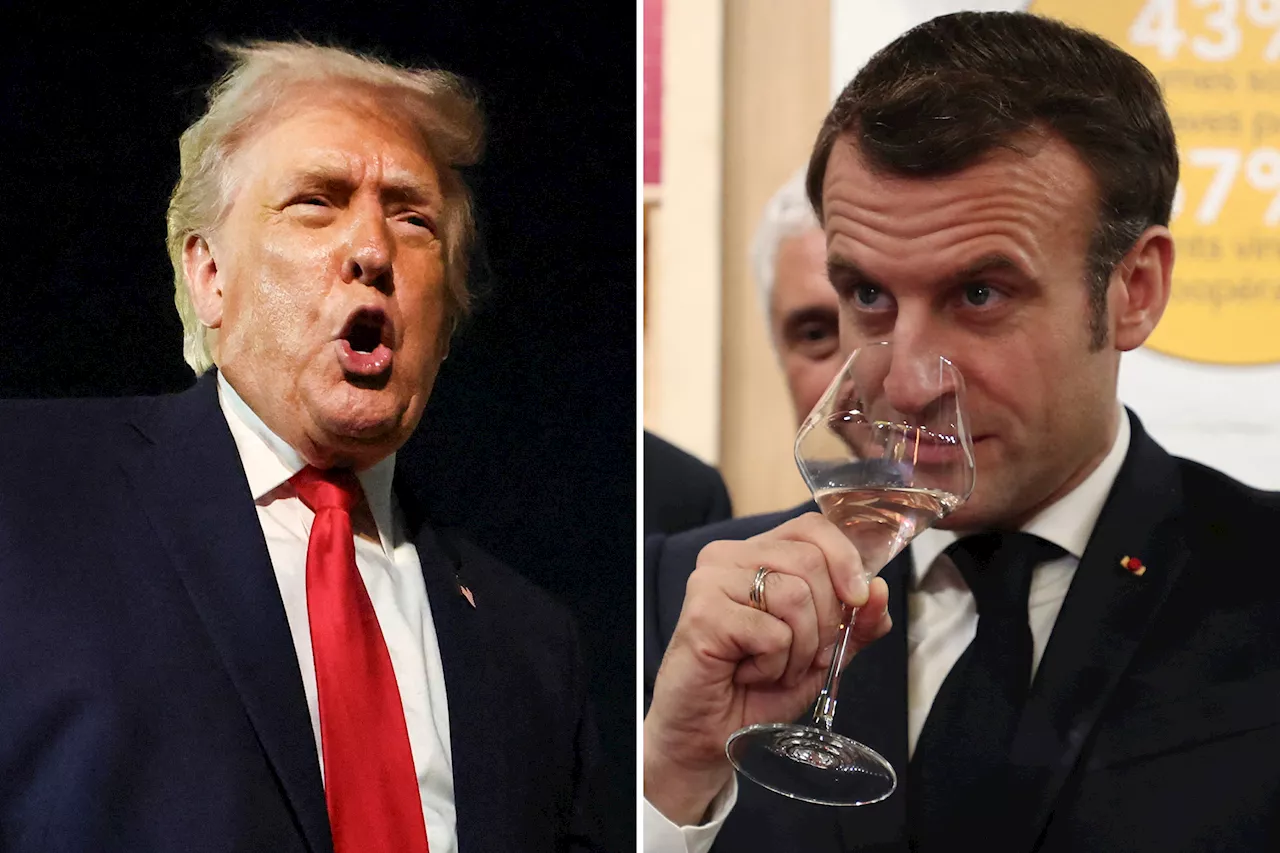
Former President Donald Trump has announced a controversial proposal to impose a staggering 200% tariff on French wines and champagnes. This bold move, communicated on January 19, 2026, aims to retaliate against France for what Trump describes as unfair trade practices. The potential tariffs could substantially impact both American consumers and French producers in a market already sensitive to international trade dynamics.
The proposed tariffs follow a pattern of trade tensions between the United States and the European Union. Trump’s administration has frequently criticized European nations for their trade policies, claiming they disadvantage American businesses. This latest threat could escalate the ongoing trade disputes and influence negotiations at the World Trade Organization.
Impact on Consumers and Producers
If implemented, the tariffs would lead to significant price increases for French wines and champagnes in the U.S. market. Consumers could face prices that are nearly triple the current rates, which may deter many from purchasing these popular beverages. The U.S. wine market is valued at billions of dollars, making it a critical segment for French producers who rely heavily on exports.
Experts suggest that while the tariffs might protect some American producers, they could also lead to a significant backlash from consumers who enjoy French products. The wine and beverage industry is already expressing concern over how these tariffs will affect their businesses and the broader implications for trade relations.
Political Reactions and Future Considerations
The announcement has prompted varied reactions from political leaders and trade experts. Some see it as a necessary stance to ensure fair competition, while others warn of potential retaliation from European countries. The European Union has previously indicated it would respond decisively to any tariffs that threaten its exports.
As discussions unfold, both U.S. lawmakers and trade representatives will need to navigate the complexities of international relations. The potential for escalating tariffs could lead to a cycle of retaliation, impacting various sectors beyond wine and beverages.
In summary, Trump’s proposal to impose a 200% tariff on French wines and champagnes marks a significant development in U.S.-European trade relations. The implications for consumers, producers, and international trade negotiations are profound, and the coming weeks will be critical in determining how this situation evolves.