President Donald Trump has tempered his earlier threats to deploy U.S. troops to Minnesota in response to ongoing protests following the fatal shooting of Renee Good, a 37-year-old woman, by a federal immigration officer. The incident has sparked significant unrest in Minneapolis, drawing national attention to the protests that erupted in the wake of her death.
On Thursday, Trump indicated he might invoke the Insurrection Act, a rarely used statute that allows a president to deploy military forces for domestic law enforcement. He stated, “If the corrupt politicians of Minnesota don’t obey the law and stop the professional agitators and insurrectionists from attacking the Patriots of I.C.E., who are only trying to do their job, I will institute the INSURRECTION ACT,” according to a post on his social media platform, Truth Social.
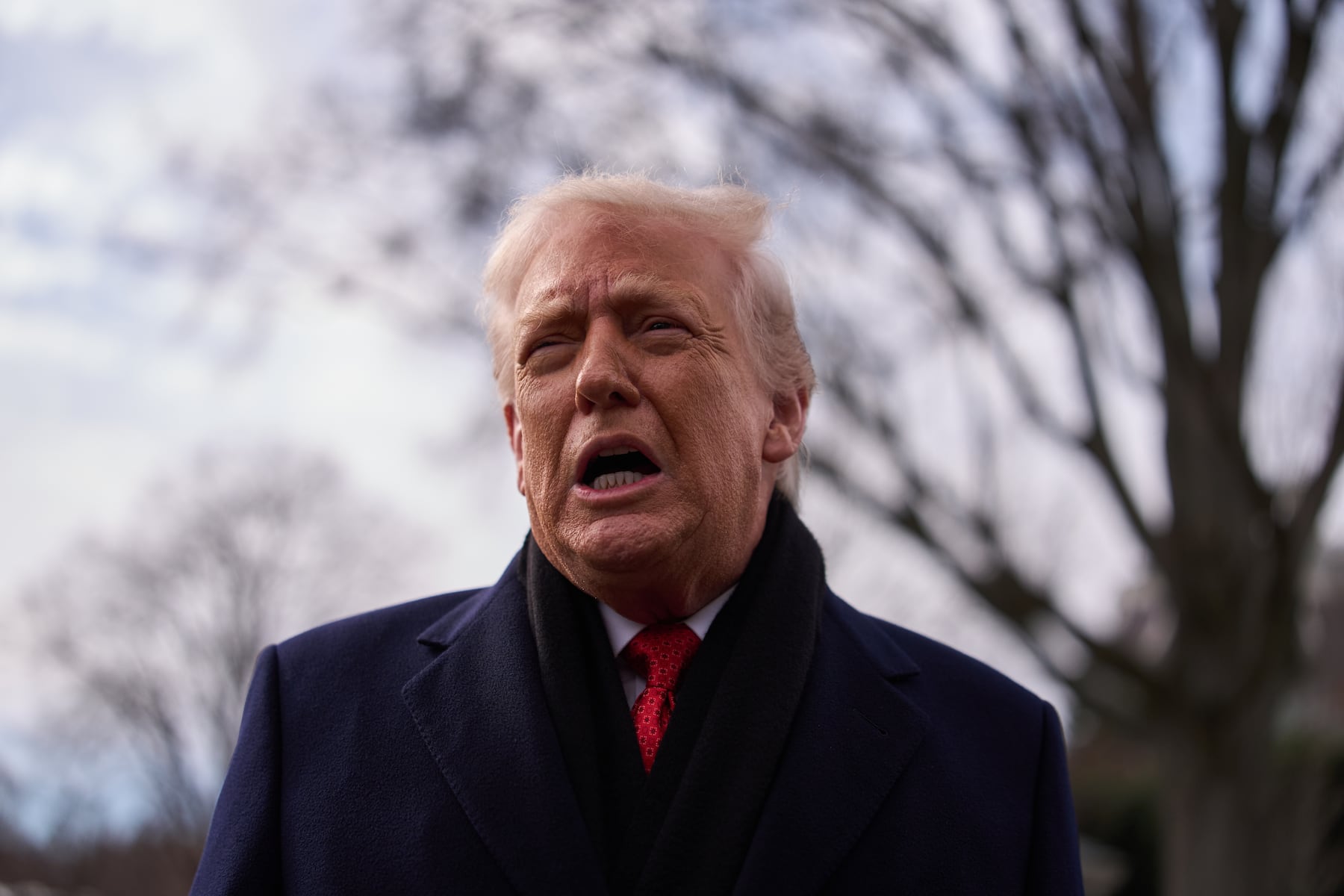
Despite this earlier statement, Trump appeared to backtrack on Friday, suggesting that he does not currently see a need to take such drastic measures. “It’s been used a lot, and if I needed it, I’d use it. I don’t think there’s any reason right now to use it, but if I needed it, I’d use it. It’s very powerful,” he told reporters as he boarded Marine One.
Trump’s comments illustrate a notable shift in tone from his previous declarations. The Insurrection Act has a complicated history in U.S. governance, having been invoked by various presidents to address civil unrest. Most recently, George H.W. Bush invoked the act in 1992 to restore order during riots in Los Angeles, following a request for assistance from local authorities.
In the context of recent events, Trump’s threats to use the Insurrection Act have raised concerns about the implications of deploying military forces to manage civilian protests. Historically, the act has been employed more than two dozen times, often amid significant unrest. Trump’s previous threats to use the law, such as during protests following the death of George Floyd in 2020, highlight the contentious relationship between federal authorities and state governance in matters of public safety and civil rights.
As the situation in Minnesota continues to develop, it remains to be seen how local and federal officials will respond to the ongoing protests and whether Trump’s reassessment will further influence public sentiment and the dynamics of the protests.
The Associated Press contributed to this report.