The race for the Colorado governorship is heating up as nearly two dozen Republicans have thrown their hats into the ring for the 2026 elections. This surge of candidates comes as current Governor Jared Polis is term-limited and cannot seek re-election. The Republican primary is set for June 30, 2026, followed by the general election on November 3, 2026.
Since Colorado achieved statehood in 1876, there have been 38 governors, with a notable trend favoring Democratic candidates in recent elections. Of the last six governors, five have been Democrats. The only Republican, Bill Owens, won in 1998 by a mere 8,151 votes and secured re-election in 2002 by a significant 29% margin. In stark contrast, Democrats have dominated the state in the last two decades, with victories in five consecutive elections. The past four elections saw Bill Ritter, John Hickenlooper, and Jared Polis winning by margins ranging from 10% to 20%.
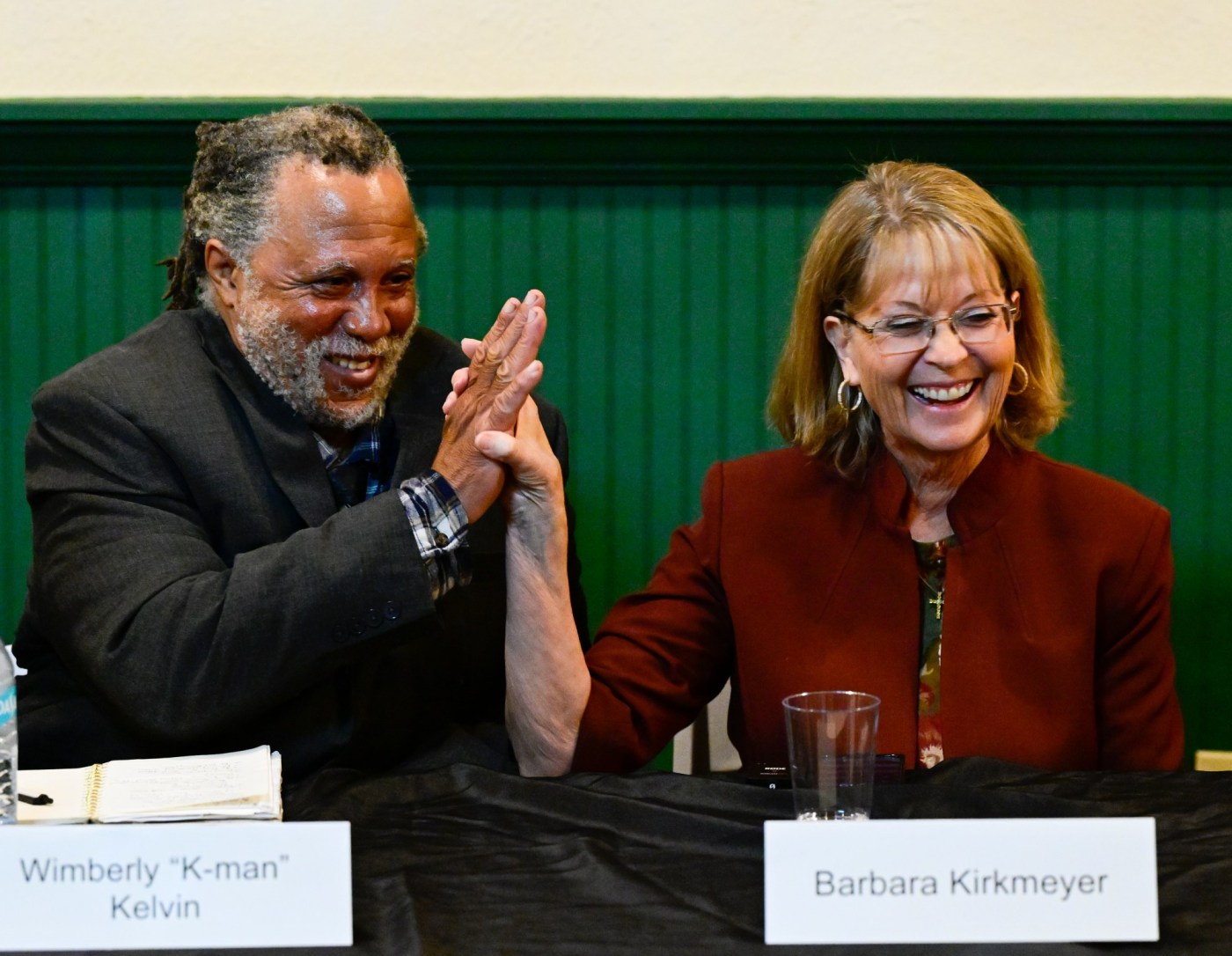
Barb Kirkmeyer has emerged as a frontrunner in the Republican field. Having entered the race in September, she has garnered endorsements from notable figures, including Owens and U.S. Representative Gabe Evans. Kirkmeyer, a former Weld County commissioner with nearly two decades of experience, has raised approximately one-third of the total funds in the race, boasting a cash advantage of $54,932 over her competitors. Owens praised her in a statement, saying, “Barb Kirkmeyer is exactly what Colorado needs in this moment.”
Greg Lopez is another significant contender, marking his third attempt for the governorship. An Air Force veteran and former mayor of Parker, Lopez previously served as the 4th District congressman. He has secured the third-highest fundraising total in the race. In his campaign announcement, Lopez emphasized, “The future of Colorado is on the line. We can’t afford to sit back.”
The competition also features Mark Baisley, a State Senator with a background in technology, and Scott Bottoms, a Navy veteran and pastor. Baisley has a reputation for passing legislation despite minority status and advocates for a bold agenda to revitalize Colorado. Bottoms has highlighted rising crime and economic concerns, stating, “Colorado deserves leadership that delivers results, not empty promises.”
Rounding out the top five fundraisers is Jason Mikesell, who serves as the Teller County sheriff. He has emphasized the urgency of addressing Colorado’s pressing issues, asserting that the Democratic Party has failed to resolve significant problems during its decade of dominance.
In addition to these leading candidates, Victor Marx, a Marine veteran and founder of All Things Possible Ministries, is gaining traction among grassroots supporters. His extensive humanitarian work has led to endorsements from figures like U.S. Representative Lauren Boebert. Marx advocates for prioritizing family values and courage in leadership.
Other notable candidates include Jason Clark, a businessman and Army veteran, and Bob Moore, a tech executive and combat veteran who has invested $108,000 of his own funds into his campaign.
The Republican field also includes various other candidates with diverse backgrounds, including former law enforcement officers, business leaders, and veterans, illustrating a broad array of perspectives seeking to challenge the Democratic stronghold in Colorado.
As the race progresses, the Republican Party faces the challenge of unifying its candidates to effectively campaign against the Democratic nominee, who is yet to be determined. The upcoming elections will be critical for Republicans aiming to reclaim the governorship in a state that has leaned Democratic for the past two decades.
Candidates for statewide office must meet specific criteria to access the ballot, which includes securing at least 30% of delegate votes at a party assembly or submitting qualifying signature petitions. The political landscape in Colorado is shaping up to be highly competitive as both parties prepare for the crucial 2026 elections.