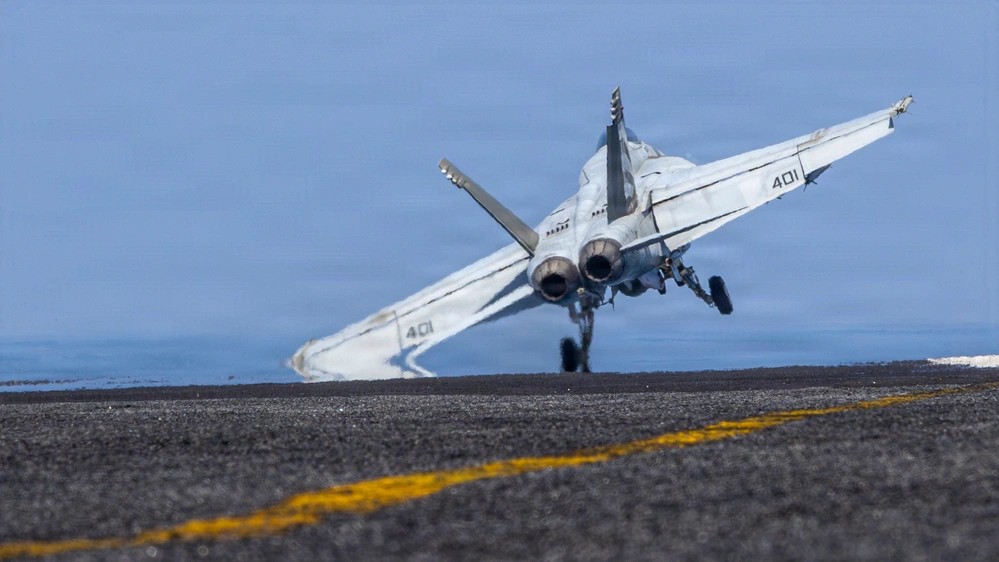
The U.S. government has granted emergency approval for a significant arms deal with Israel, allowing for the purchase of munitions and support valued at $151.8 million. This transaction includes a procurement of 12,000 bombs and is part of the ongoing military collaboration between the two nations, particularly in the context of their shared concerns regarding Iran.
The approval, announced in October 2023, underscores the strategic alliance between the United States and Israel in addressing regional threats. The arms purchase aims to enhance Israel’s defense capabilities amid escalating tensions and military activities in the Middle East. This deal highlights the U.S. commitment to supporting Israel’s security needs.
In the past, the U.S. has been a critical supplier of military aid to Israel, providing billions of dollars in support each year. This latest arms deal is particularly notable given the current geopolitical climate, where both countries are focused on countering Iranian influence in the region. The acquisition of advanced munitions will likely play a crucial role in Israel’s military strategy.
The decision reflects ongoing discussions between U.S. and Israeli officials regarding security cooperation. Such agreements are often viewed through the lens of regional stability, and the U.S. aims to ensure that Israel maintains a qualitative military edge over potential adversaries.
While the arms approval has been met with support from defense advocates, it also raises concerns among critics who argue that increased military support could exacerbate tensions in the region. The ongoing conflict dynamics in the Middle East often lead to calls for diplomatic solutions rather than military escalations.
In conclusion, the U.S. approval of this arms deal is a pivotal moment in the ongoing military partnership between the two nations. As Israel prepares to integrate these new munitions into its defense arsenal, the ramifications of this transaction will be closely monitored by global observers, particularly in light of Iran’s reactions and the broader implications for regional security.