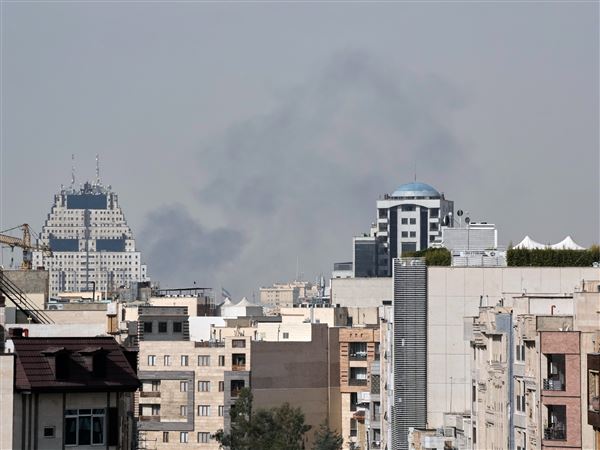
Early on January 3, 2026, U.S. forces launched a military invasion of Venezuela, targeting military barracks in the capital, Caracas, and nearby regions. This sudden escalation involved airstrikes that left residents shaken and fearful as bombs fell over the city. Videos of the assault quickly circulated on social media, capturing the chaos and destruction in real time. Caracas resident and community organizer Yanahir Reyes described the scene, saying, “The bombs lasted a while… it was terrifying.”
The invasion marks a significant shift in U.S. foreign policy, echoing historical interventions in Latin America, and raises concerns regarding its broader implications. According to reports, at least 80 people died as a result of the military action, which included the kidnapping of Venezuelan President Nicolás Maduro and his wife, Cilia Flores, under allegations of drug trafficking. Maduro is currently awaiting trial in New York.
Echoes of Historical Interventions
The military action in Venezuela has drawn comparisons to previous U.S. interventions, particularly the invasion of Panama in 1989. Analysts have noted that this represents the first unilateral military assault by the U.S. against a South American country in over three decades, a move reminiscent of President Theodore Roosevelt’s assertive foreign policy, often characterized as “gunboat diplomacy.”
Historically, the U.S. has employed military force to achieve its geopolitical objectives, with the Monroe Doctrine serving as a framework for interventionist policies. John Lindsay-Poland, an expert on U.S. interventions, stated, “The invasion of Venezuela is a blatant violation of international law… potentially a prelude to a long and violent conflict.” This sentiment underscores the fear that the U.S. may be returning to a playbook of aggressive foreign policy that many believed had been relegated to the past.
The rationale for intervention has often centered around combating drug trafficking, yet questions persist regarding the actual motivations behind such actions. Venezuela, known for possessing the largest oil reserves globally, has raised eyebrows concerning the U.S. interest in its resources. Following the invasion, Trump asserted that American oil companies would soon “take back the oil that, frankly, we should have taken back a long time ago.”
Potential Consequences and Global Reactions
The implications of this invasion extend beyond Venezuela’s borders. Observers fear that the apparent success of this military operation could embolden Trump to pursue similar actions in other countries, such as Colombia, Cuba, and Mexico. Rafael R. Ioris, a professor of Latin American history, warned, “The military incursion in Venezuela… will give Trump the idea to roll out similar things in the future.”
In contrast, some experts argue that the dynamics of the region have changed significantly since the late 20th century. Gilma Camargo, a Panamanian lawyer who has advocated for victims of the U.S. invasion of Panama, emphasized that “the geopolitical moment… has its mind elsewhere.” She pointed out that the Bolivarian Revolution, initiated by Maduro’s predecessor Hugo Chávez, has created a more organized resistance among the Venezuelan populace.
Protests against the invasion are emerging not only in Venezuela but globally, illustrating widespread discontent with U.S. military actions. The situation continues to develop, and analysts are closely monitoring its potential to incite broader regional conflict.
As the international community grapples with the ramifications of this invasion, the long-standing debate over U.S. intervention in foreign nations is reignited. Observers remain cautious about the potential for further military actions and the deepening of conflict in Latin America.