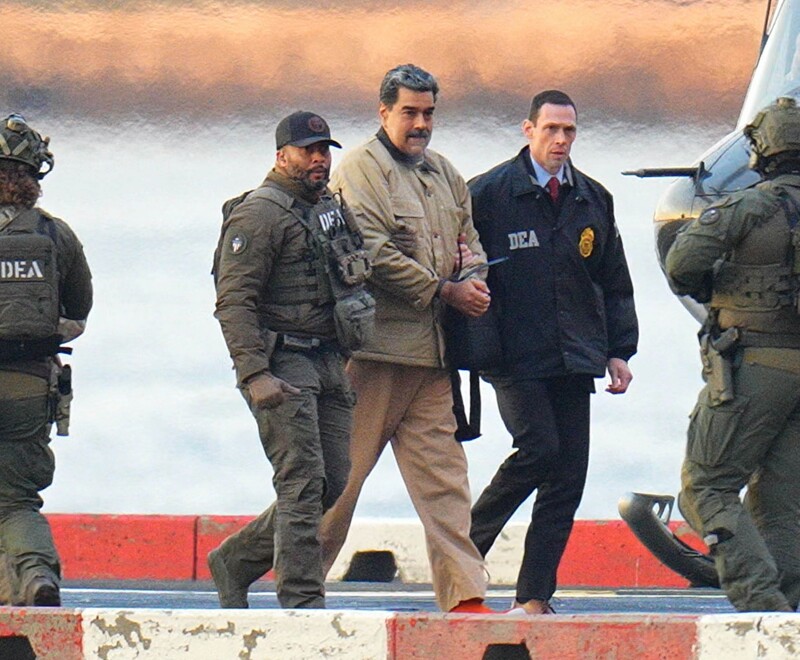
The recent escalation of U.S. military actions near Venezuela has raised significant concerns regarding the long-term implications of such interventions. Over the past month, the administration has engaged in various operations, including the seizure of oil tankers and acknowledging covert actions within Venezuelan territory. This military intervention, aimed at removing President Nicholas Maduro, is being framed by some in Washington as a “victory.” However, critics warn that the consequences could be dire for both the United States and Venezuela.
There is little evidence to suggest that U.S.-sponsored regime change can achieve lasting success. Historical precedents, such as the military action in Iraq, reveal a troubling pattern. Following the ousting of Saddam Hussein, U.S. officials initially touted the operation as a straightforward endeavor, predicting costs of only $50 to $100 billion. Ultimately, the price tag escalated to approximately $8 trillion, leading to the establishment of a sectarian regime that struggled to maintain credibility and control over its own armed forces. This instability facilitated the rise of ISIS, which captured significant territory in Iraq by 2014.
The current U.S. administration, under Donald Trump, has stated intentions to “run” Venezuela until a suitable transitional government can be formed. This approach has drawn parallels to previous interventions, prompting calls for caution from Congress and the public. There is apprehension that further military actions could extend beyond Venezuela, potentially targeting Colombia or using the Venezuelan situation as a stepping stone toward regime change in Cuba.
Historical Context and Lessons Learned
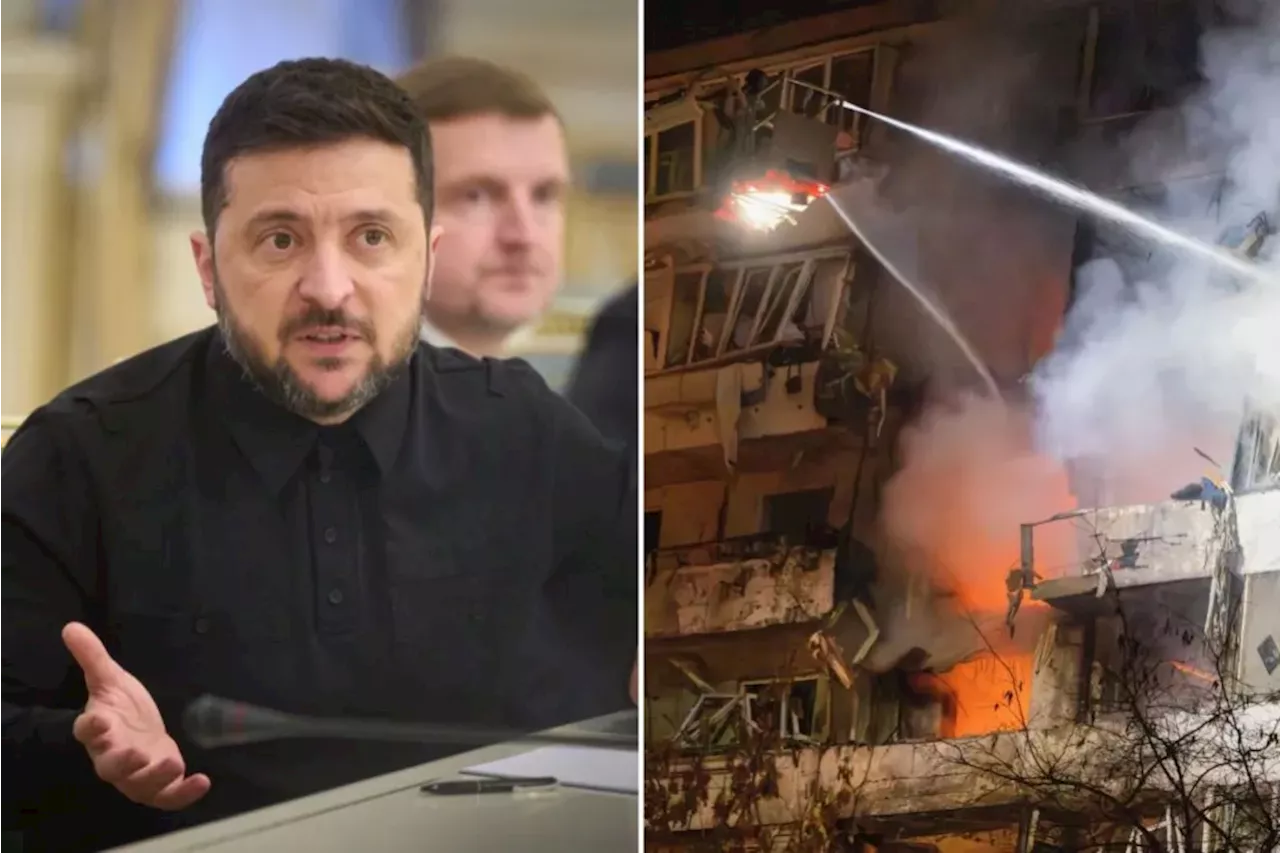
Foreign policy should not be perceived as a strategic game where one victory seamlessly leads to another. The realities of warfare are complex and often unpredictable, a fact underscored by the experiences of the U.S. in Iraq and Afghanistan. The conflicts in those regions resulted in immense financial burdens and human costs, with hundreds of thousands of refugees and veterans suffering from lasting physical and psychological injuries.
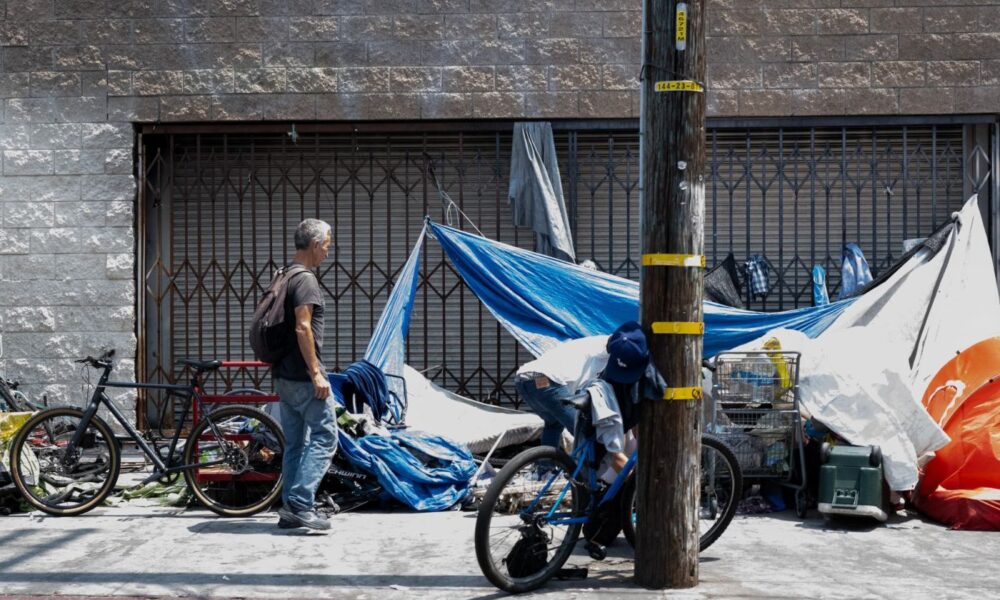
Former President Dwight D. Eisenhower, who famously addressed the military-industrial complex, underscored the broader societal costs associated with military engagements. In his speech, he stated, “Every gun that is made, every warship launched, every rocket fired signifies, in the final sense, a theft from those who hunger and are not fed, those who are cold and are not clothed.” His cautionary words resonate today, raising critical questions about the allocation of national resources and the prioritization of societal needs.
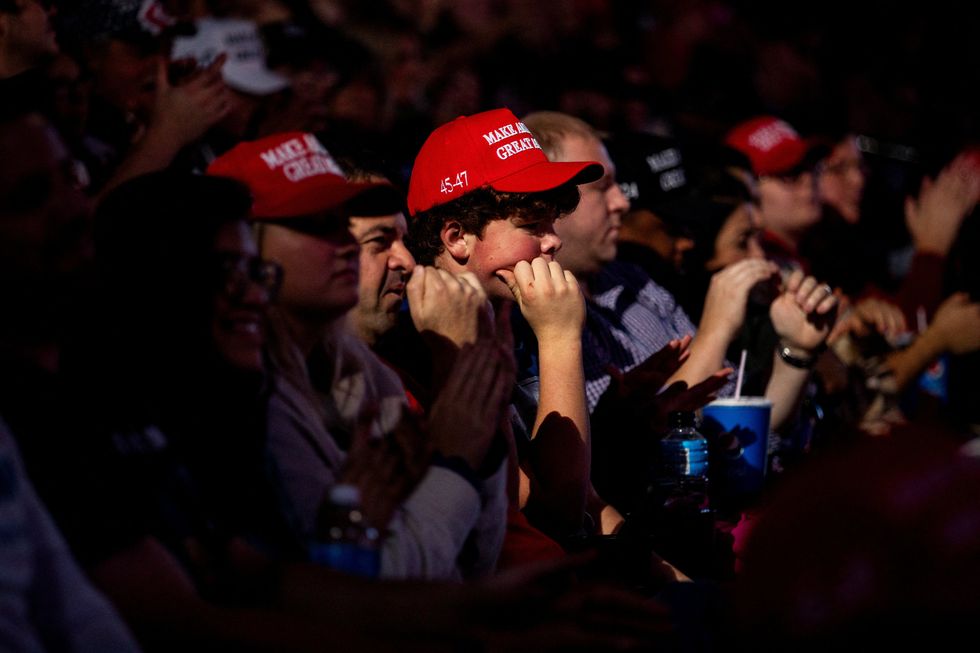
Eisenhower advocated for a strong America not through military might but by fostering an educated, healthy, and unified populace. The current trajectory of U.S. foreign policy, particularly regarding Latin America, threatens to undermine these fundamental pillars of national security. Engaging in further military actions may perpetuate cycles of violence and instability, detracting from efforts to build a safer and more prosperous society.
As discussions surrounding U.S. involvement in Venezuela continue, it is imperative to reassess the strategies employed and their potential repercussions. The call for a new course of action is urgent, as failing to do so risks exacerbating existing tensions and endangering the well-being of countless individuals in both the U.S. and Venezuela.
The views expressed in this article reflect the opinion of William D. Hartung, a senior research fellow at the Quincy Institute for Responsible Statecraft. Feedback can be directed to [email protected].